
 Manage booking
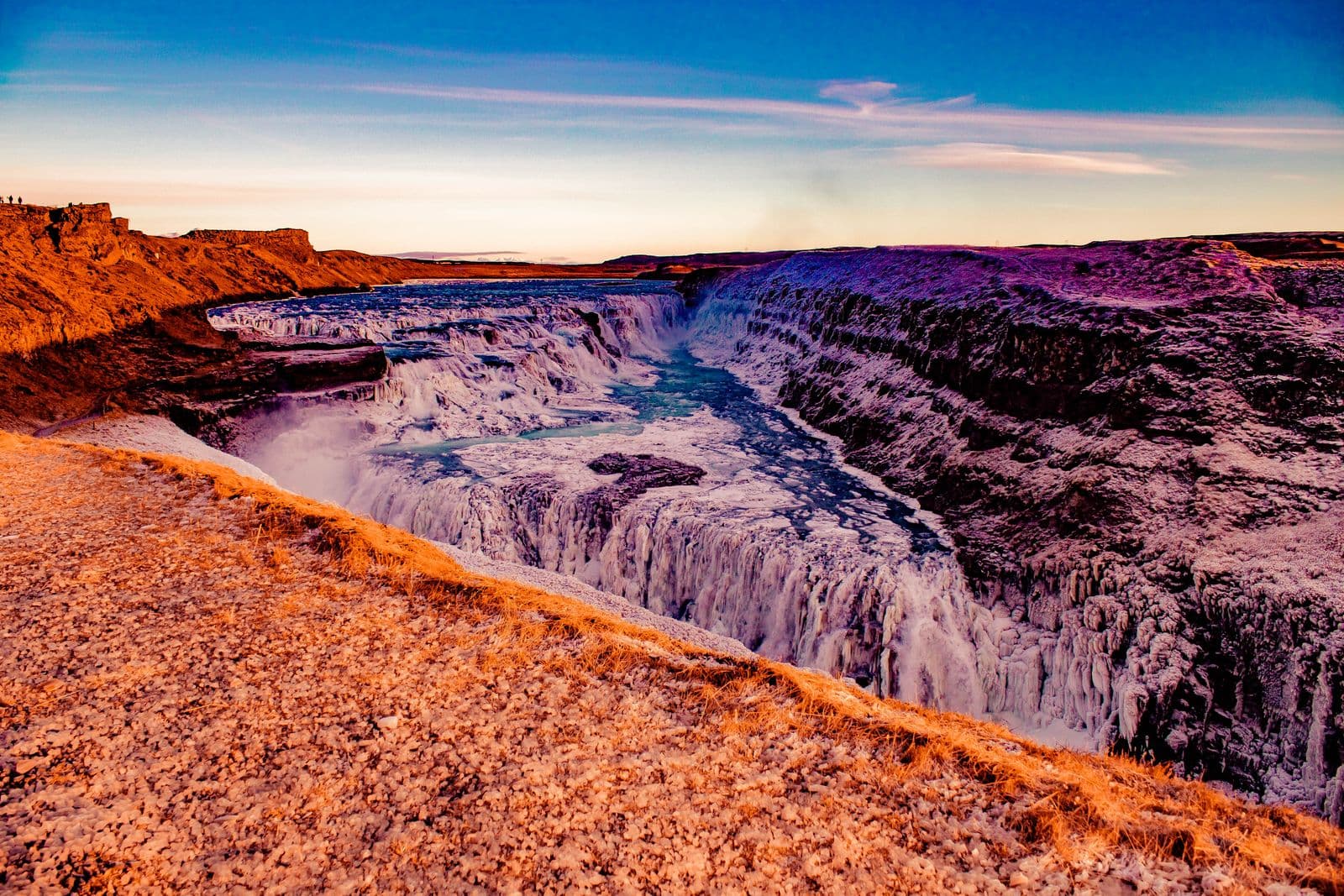

Golden Circle
Þingvellir · Geysir · Gullfoss

Car
1–4 people
90,000 kr
Van
5–7 people
113,000 kr


Drive Reykjavik team · 10 min read · October 2026
For most families, the first journey in Iceland is the drive from Keflavík Airport to Reykjavík or onwards, after a long flight, with tired children and a lot of luggage. It is also the moment when the question of child car seats suddenly becomes very real. Does your child need one? What kind? Should you bring your own or ask the transfer company?
This guide answers those questions in plain language. It explains what Icelandic rules require in general terms, the different types of child seat and which ages they usually suit, the pros and cons of bringing your own seat and how to arrange seats with us for a private transfer. Rules change and depend on the details of each child, so we also point you to the official source to check before you travel. A few minutes of planning now means one less thing to worry about when you land.
As in the rest of Europe, children travelling by car in Iceland must use a child restraint suitable for their size, such as an infant carrier, a child seat or a booster, until they are big enough to use an adult seat belt safely. The requirement depends on the child's height and weight rather than only on age, and every passenger must be properly secured.
A few general principles apply wherever you travel:
We deliberately don't quote exact height, weight or age thresholds here, because the details matter and can change. For the current rules, check the website of the Icelandic Transport Authority (Samgöngustofa), which publishes guidance on child safety in cars, at samgongustofa.is. If you are unsure which seat your child needs, tell us their age, height and weight and we will help.
Child seats are generally grouped by the size of the child. Manufacturers label each seat with the height or weight range it is approved for, and that label is what counts. The ages below are only a rough guide, because children grow at different speeds.
For newborns and babies, usually up to around their first birthday or a little longer. The baby lies semi-reclined, facing backwards, which supports the head and neck. Many families use the same carrier on their pram or stroller frame.
For toddlers and young children who have outgrown the infant carrier. These seats have their own harness and can be rear-facing or forward-facing. Many child safety organisations recommend keeping children rear-facing for as long as the seat allows, because it gives the best protection for the head and neck in a collision.
For older children who have outgrown a harnessed seat but are still too small for an adult belt. The booster raises the child so that the car's seat belt crosses the shoulder and hips in the right place, and the high back gives side support and guides the belt.
A cushion without a back that lifts the child to the right height for the belt. It is compact, but it gives less side support than a high-back booster. Check the current rules and the product label before choosing a cushion for a younger child.
Child seats are free of charge on request on our private transfers. Add them when you book and tell us the ages of your children, so the right seats are in the car when your driver arrives. There is no extra fee and no need to rent a seat separately.
If your plans change, for example a grandparent joins the trip or you decide to bring your own seat, just let us know before your transfer. If you have questions about seats before you book, message us on WhatsApp at +354 777 3949.
Not every family stays in Reykjavík on the first night. We also drive directly from Keflavík Airport to towns and hotels around the country, for example to Selfoss, Vík or Akureyri, with the same free child seats on request. On a longer drive, children appreciate a break. Short stops on the way are possible if you agree them with us in advance, so mention it when you book if you think you will need a toilet stop or a chance to stretch legs.
Some parents prefer to bring their own seat. It is a reasonable choice, especially for babies and toddlers, but it has pros and cons.
Airlines have different rules about carrying car seats, as checked baggage or on board, and some carry them free of charge. Check with your airline before you fly. If you do bring your own seat on a transfer with us, let us know when you book so we keep room for it and don't bring a second one.
Every child counts as a passenger, including babies in an infant carrier, because each needs their own seat. Child seats also take up more space than adults, and families tend to travel with extra luggage, a stroller or a travel cot. Choose the vehicle with that in mind:
Strollers and travel cots travel in the boot with the suitcases. Mention them when you book so we can plan the space. If you are not sure which vehicle you need, see our fleet or ask us before booking. The price is fixed per vehicle, not per person, so children don't add to the fare.
The airport part of the trip is often the hardest with small children. A few simple steps make it easier:
The drive to Reykjavík takes about 45 minutes, which is often just long enough for a tired child to fall asleep. Our Keflavík Airport arrivals guide explains the terminal step by step, and our guide to every way from Keflavík to Reykjavík compares the transport options.
The same applies on day trips. If you book one of our private tours, such as the Golden Circle, child seats are also free on request; just tell us the ages when you book. A private tour suits families well because you choose when to stop for snacks, toilets or a run around, and you can skip a stop if a child is tired.
If you are renting a car for part of your trip, rental companies usually offer child seats as an extra. Ask for them when you reserve, check the seat fits your child and learn how to install it before you leave the car park. For buses and other transport, check the operator's rules on children in advance.
Whichever seat your child uses, a few habits help on every ride: check that the harness or belt is snug with no twists, take off bulky winter coats before buckling up (a thick coat can leave the harness too loose; put the coat over the child like a blanket instead), and make sure older children keep the shoulder belt across the shoulder rather than behind their back.
Our guide to Iceland with kids has ideas for family-friendly sights, safety tips near water and geothermal areas and a packing list for children.
Yes. Children must use a child restraint suitable for their size until they are big enough for an adult seat belt. For the exact current rules, check the Icelandic Transport Authority (Samgöngustofa).
Yes. Child seats are free of charge on request. Tell us the number of children and their ages when you book so the right seats are ready.
Yes. Let us know when you book so we keep room for it. Check that your seat meets the current rules in Iceland and that it was not damaged on the flight.
No. Every child needs their own suitable seat, and a baby should never travel on an adult's lap.
Yes. Every child, including babies, needs a seat and counts towards the 1 to 4 passengers in an Economy car or the 5 to 7 in a Van.
Strollers and travel cots go in the boot with the suitcases. Mention them when you book so we can choose a vehicle with enough space.
It depends on height and weight more than age. Tell us each child's age, and for older children their height and weight, and we will bring a suitable seat.
Yes. Child seats are free on request on our private tours too. Tell us the ages when you book.
Þingvellir · Geysir · Gullfoss
Car
1–4 people
90,000 kr
Van
5–7 people
113,000 kr
Travel tips
 Planning & practical tips
A practical packing list for Iceland: the layering system, waterproofs, footwear, swimwear and the extras that change by season, plus what you can leave at home.
Read more Planning & practical tips
Planning accessible travel in Iceland? How to prepare for the airport, transport, sights and weather, and what to ask any operator before you book.
Read more Planning & practical tips
Per car or per person? What a fixed transfer price in Iceland covers, what can change it, how to compare quotes, and when the bus really is the cheaper choice.
Read more


