Manage booking
 48 km
48 km About 45 min
 Car 1–4 · Van 5–7
 Free cancellation 24 h
Capital area · from KEF
About Reykjavík and the drive
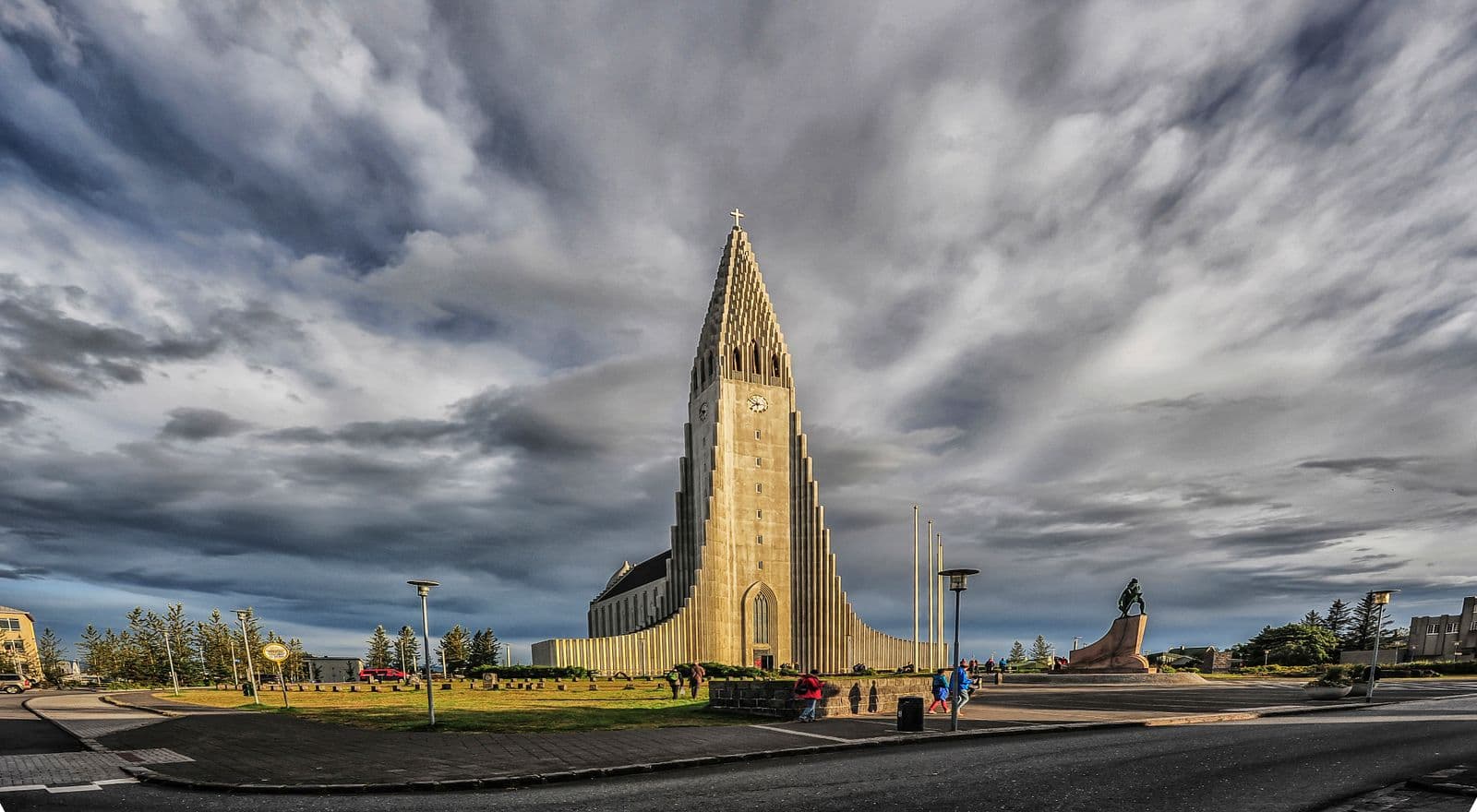
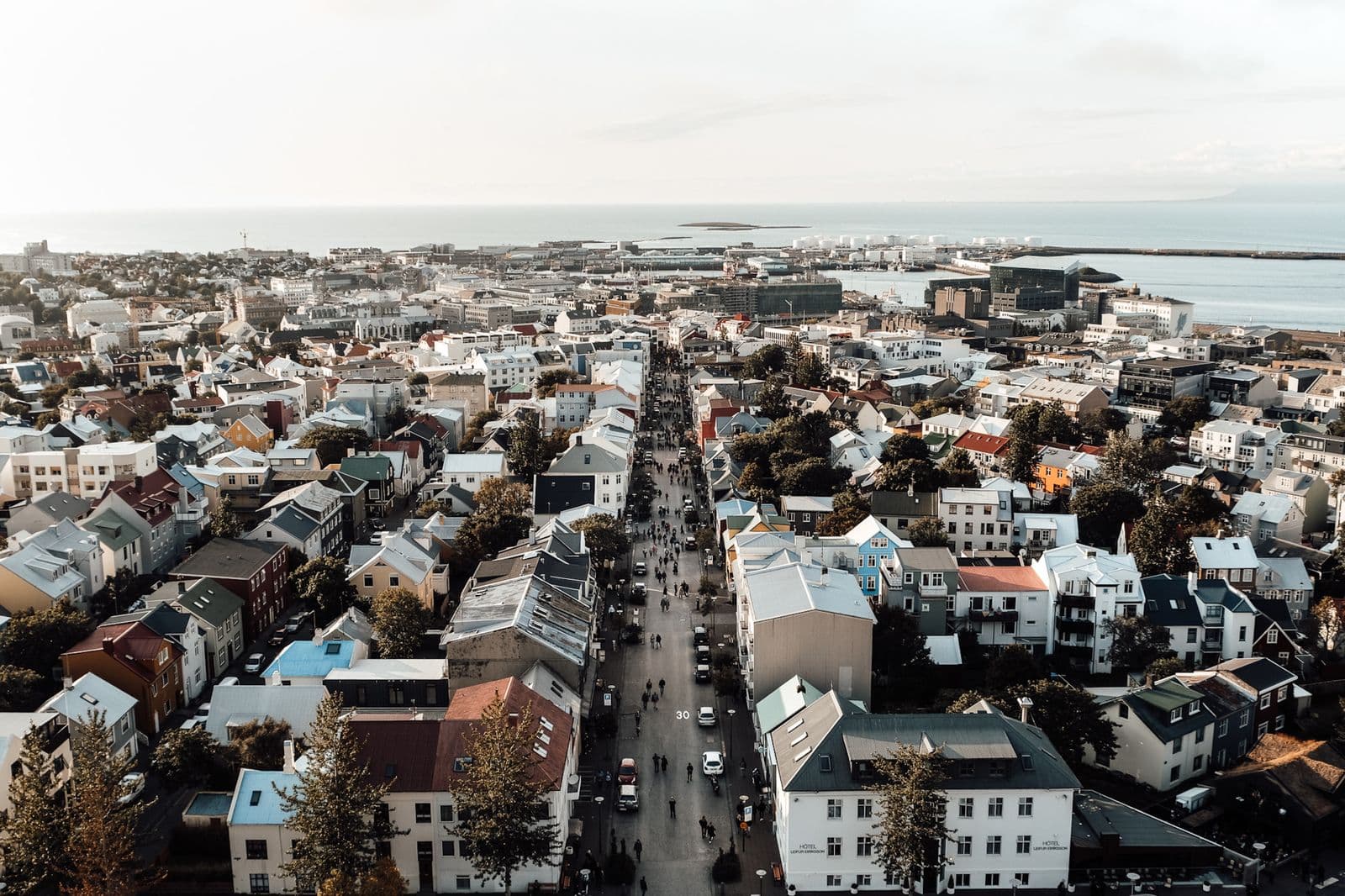
Most people landing at Keflavík are heading for Reykjavík, and most of them for the compact centre around postcode 101: the hotels on Laugavegur and Hverfisgata, the guesthouses near Hallgrímskirkja, the apartments in the old streets around Tjörnin pond and the harbour. A private transfer takes you from the arrivals hall straight to that door, which matters in the centre, where many streets are one-way or pedestrian and a bus drop-off can leave you dragging suitcases over cobbles.
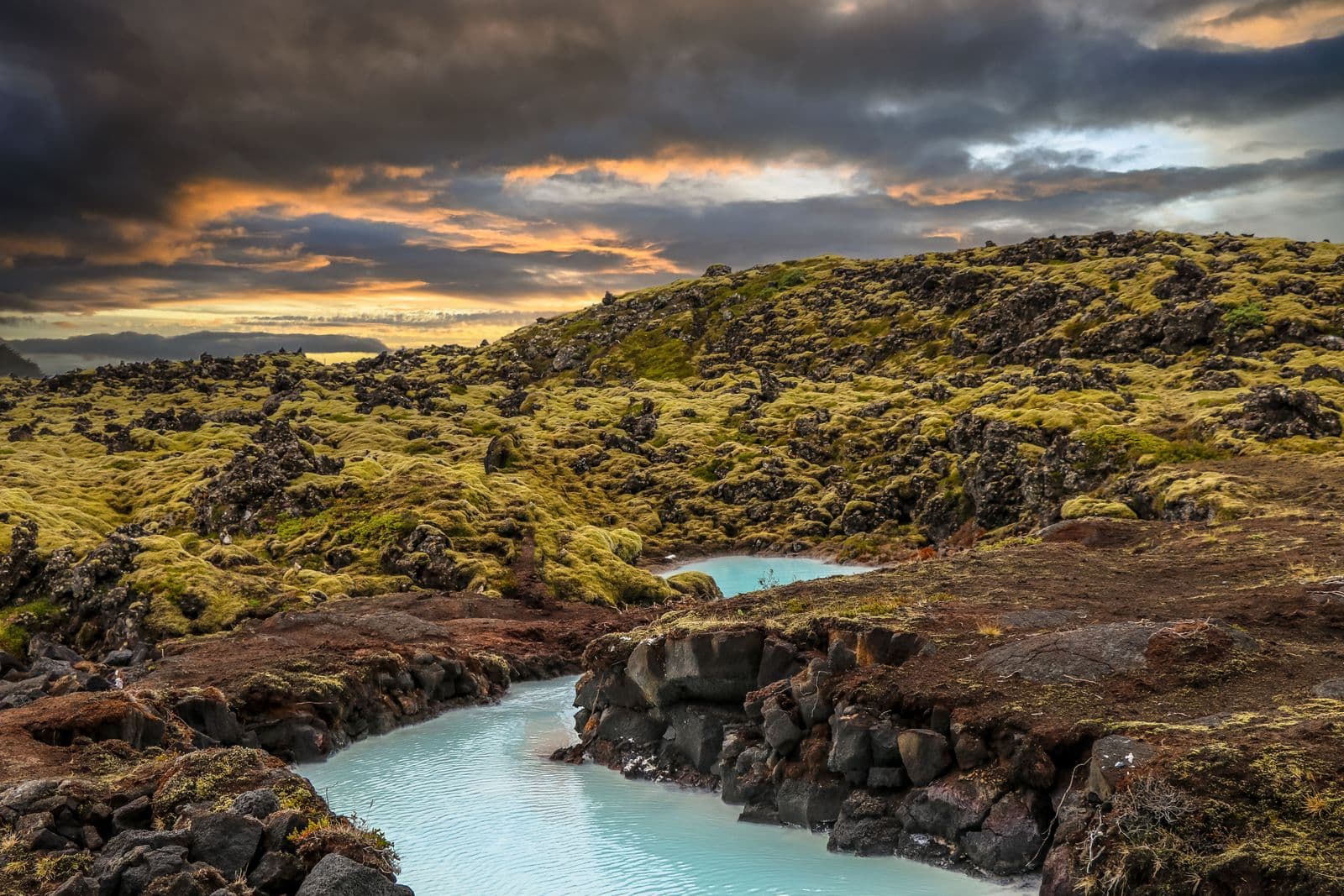
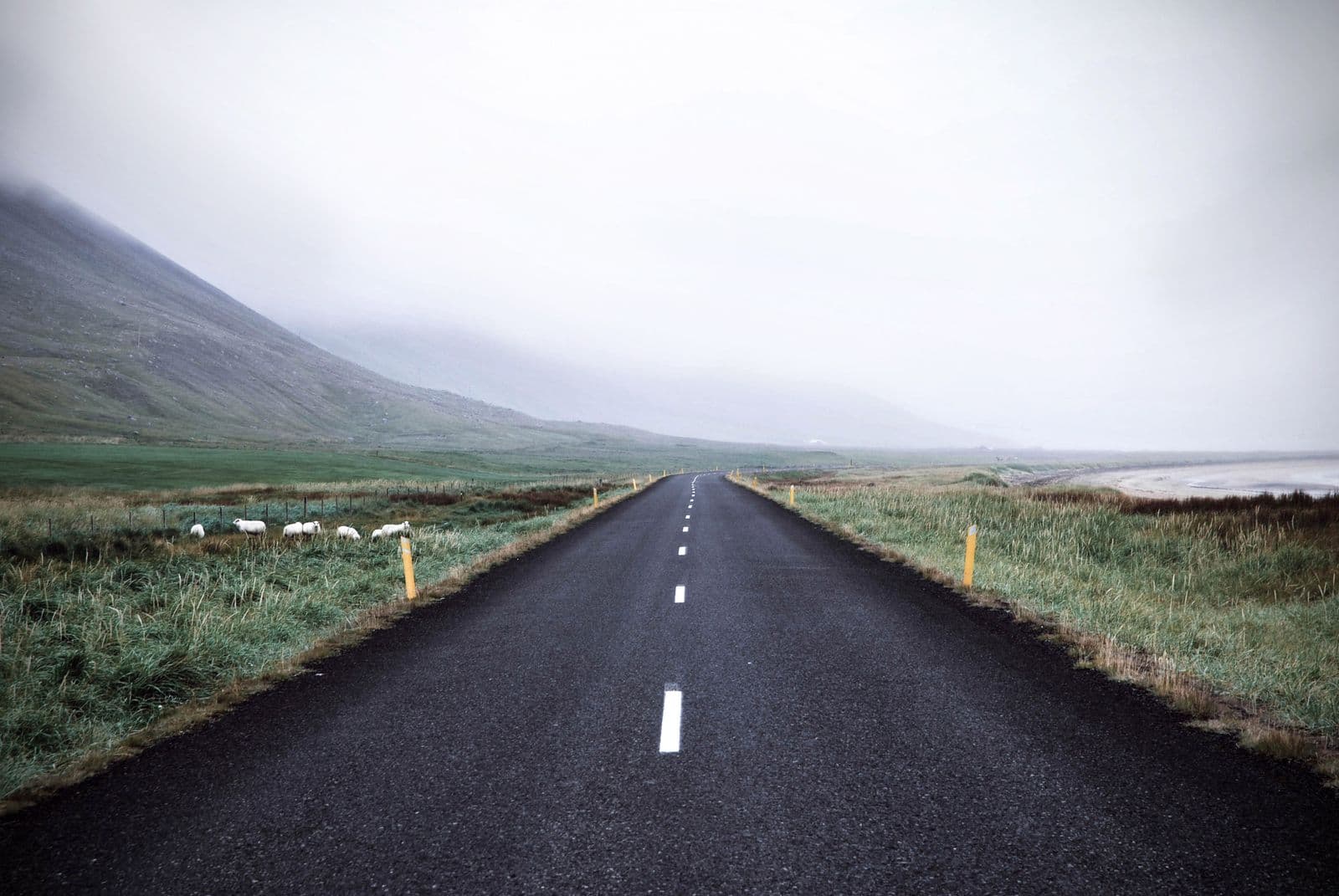
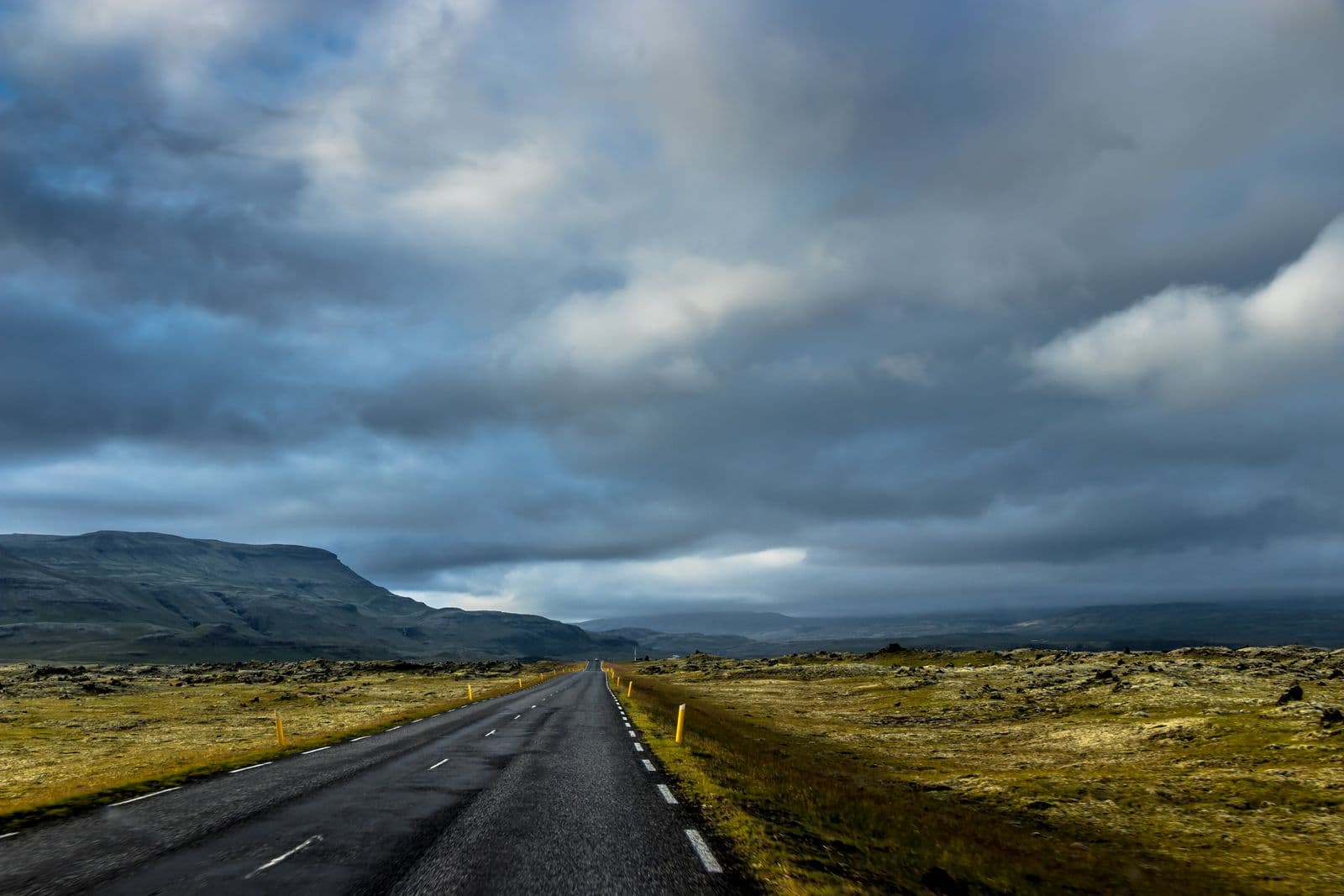
The drive follows Route 41, Reykjanesbraut, a dual carriageway across the Reykjanes peninsula. For the first half there is hardly a building in sight, just moss-covered lava fields, the cone of Keilir on the right and the sea on the left. Then come the aluminium smelter at Straumsvík and the edge of Hafnarfjörður, and the road runs on through Garðabær and Kópavogur before dropping into the city. If you arrive at night in winter, keep an eye on the sky over the lava fields: on a clear night with northern lights activity, this dark stretch is often where people first see them.
Reykjavík itself is small enough to walk. Once you have checked in, the harbour, Harpa, the Sun Voyager sculpture and the main shopping streets are all within a short stroll of most central hotels.

Seasons and roads
Route 41 is a main road kept open all year, but strong winds and snow can slow it down in winter. In December you get only about four to five hours of daylight in Reykjavík, while around midsummer it hardly gets dark at all.