


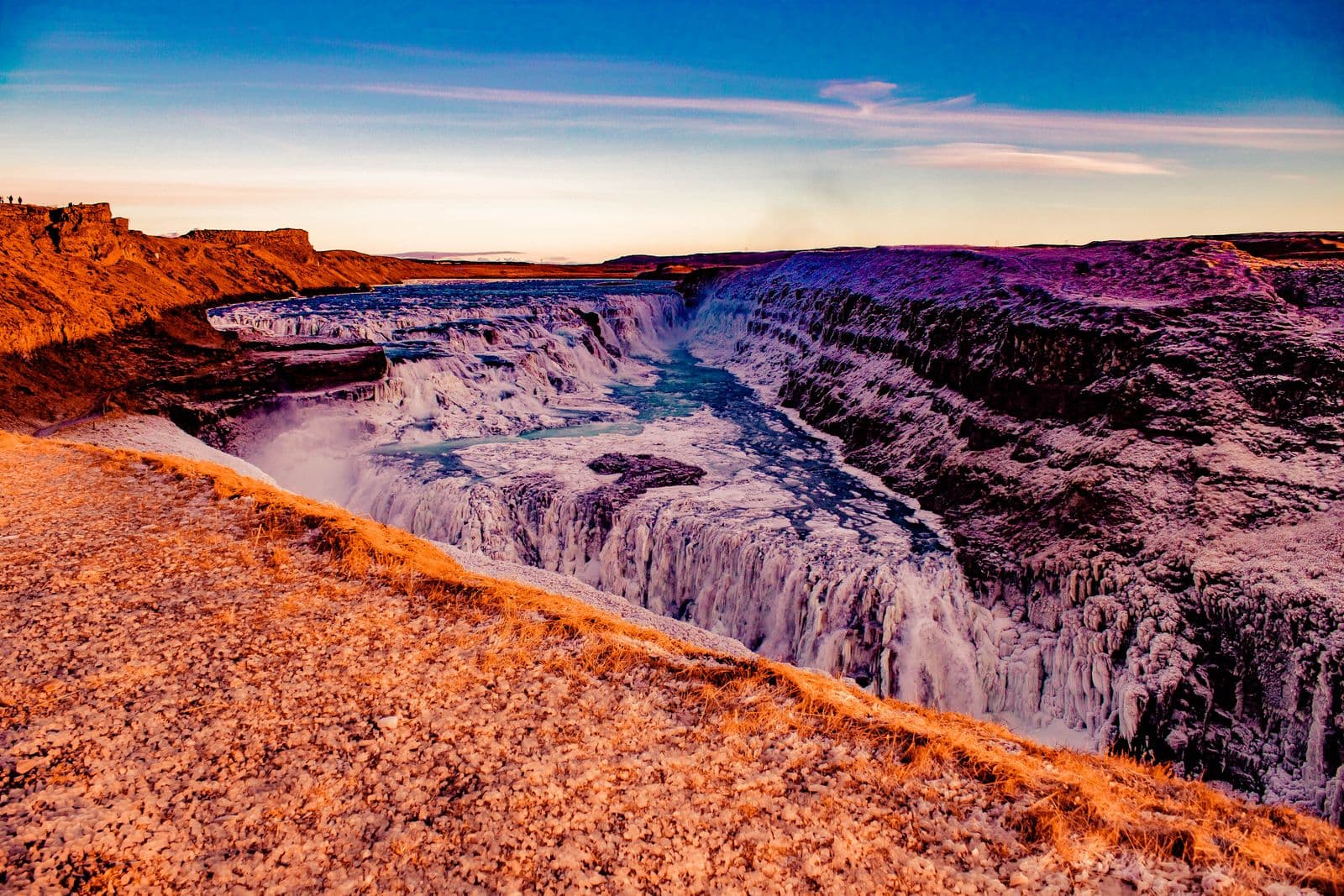

Golden Circle
Þingvellir · Geysir · Gullfoss

Car
1–4 people
90,000 kr
Van
5–7 people
120,000 kr


Drive Reykjavik team · 4 min read · November 2026
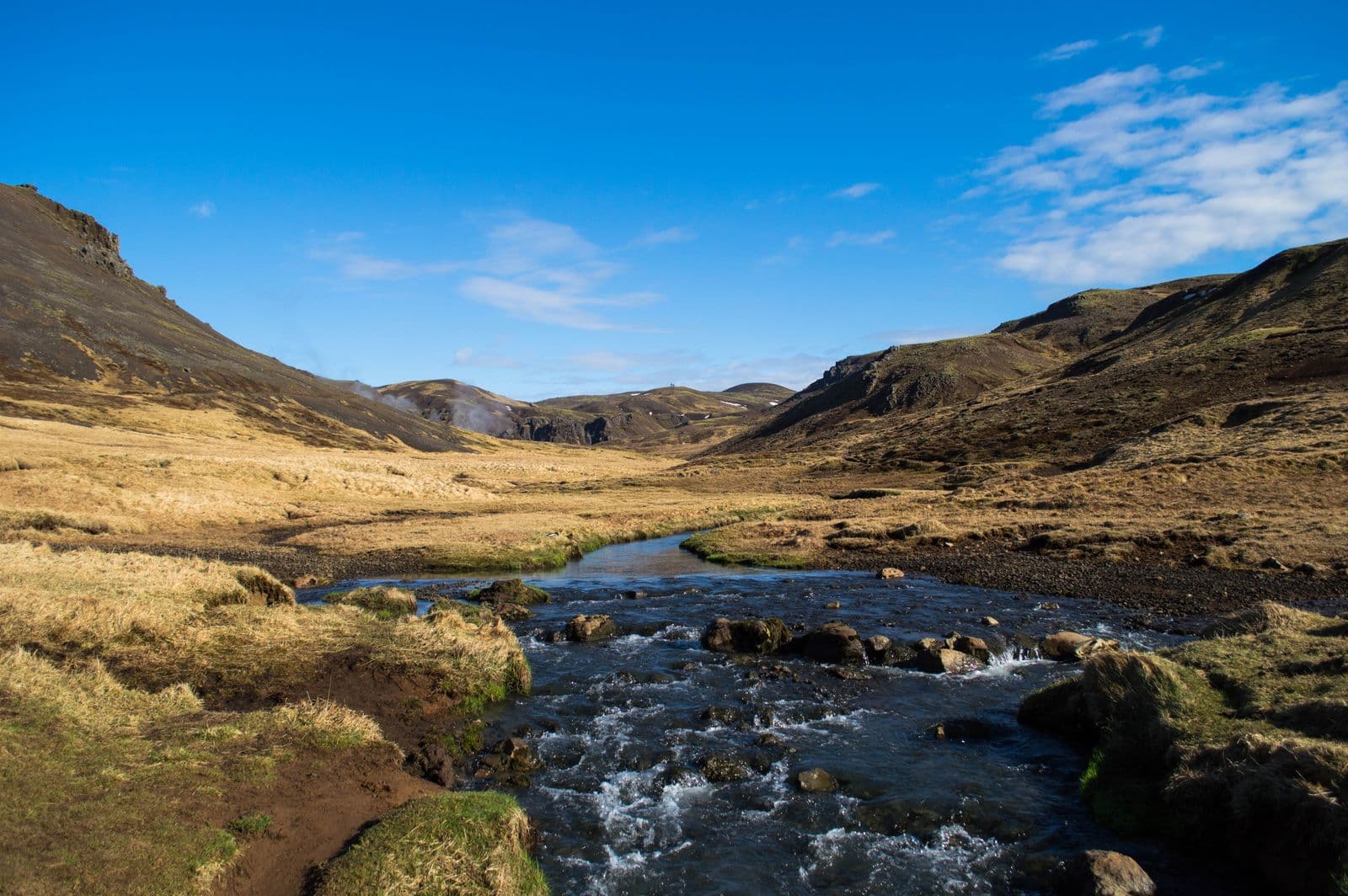
If you want one month that gives you winter scenery and summer-length days, this is it. By the end of March the sun is up for thirteen hours, which puts the far South Coast and the glacier lagoon back within comfortable reach, while the sky still goes properly dark around nine in the evening.
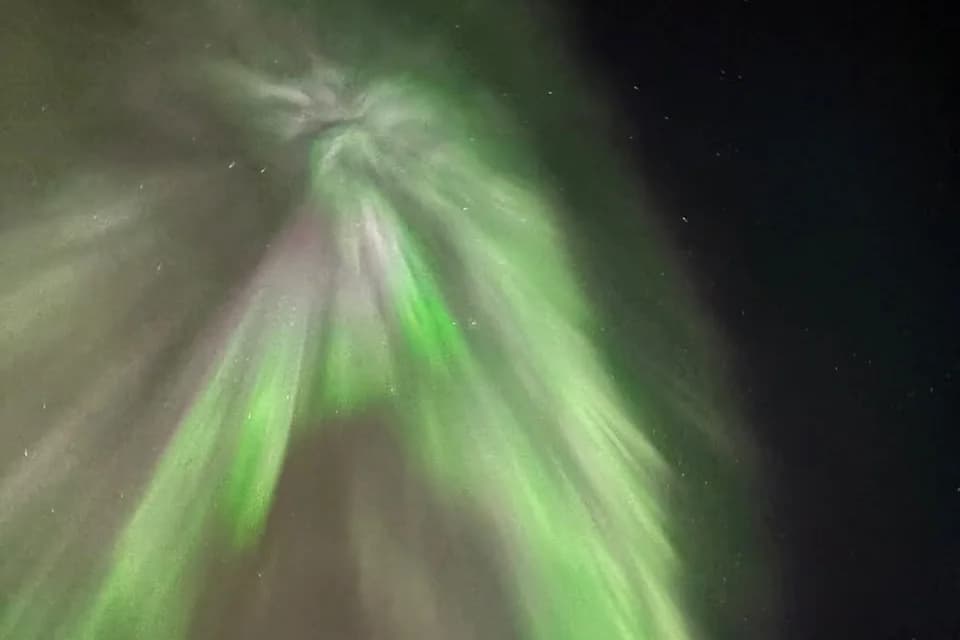
There is a long-standing pattern of stronger geomagnetic activity around the equinoxes, which puts the second half of March among the better aurora windows of the whole season. It is a tendency, not a timetable — you still need a clear sky and some luck — but it is a genuine reason not to write March off as too late.
The practical catch is darkness. By the end of the month you are not stepping outside at eight o'clock to a black sky any more; the hunt starts later and finishes later. Our private aurora evenings run while the season holds, and your driver will tell you honestly when the night is not worth the drive.
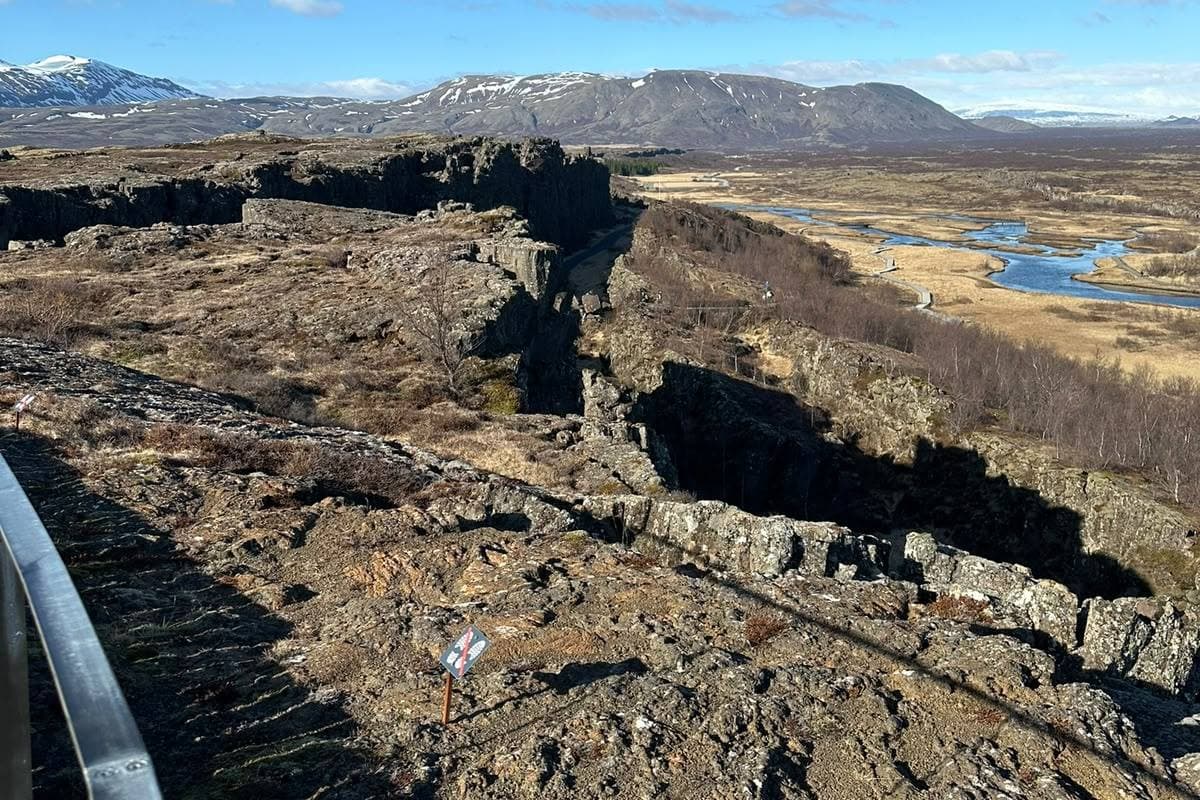
March is not spring in the way visitors expect. Snow is normal, storms are normal, and the wind can be fierce enough to close roads for half a day. What changes is that you are rarely doing anything in the dark, which makes the same weather far less daunting than in January.
It suits anyone who wants both halves of Iceland on one trip — glaciers and aurora, not one at the cost of the other — and anyone who would rather not share Gullfoss with four coaches. It suits photographers for the same reason: the sun stays low and the light lasts for hours.
It suits families less well than summer, simply because the weather is still unpredictable; but with a private car and a flexible plan it works perfectly well, and child seats are free.
Yes. March is the last strong month of the season, and the weeks around the equinox are often among the most active. You need darkness, a clear sky and solar activity, as always.
About ten hours at the start of the month and more than thirteen by the end, so a long day tour no longer runs out of light.
Only slightly — around 0 to 5 °C in Reykjavík. It feels milder mostly because the days are longer.
The main routes, yes, with winter conditions and occasional closures in a storm. Highland roads stay shut until June or later.
Not until Easter. Early and mid-March are still quiet, which is one of the month's best arguments.
Yes, and it is far more comfortable than in midwinter — 13–14 hours, but most of it in daylight. 170,000 kr per car.
Winter clothing: thermal layers, windproof shell, gloves, hat, waterproof shoes with grip. Add swimwear for the lagoons and pools.
Ours do not. The price is per vehicle and the same all year, with no seasonal surcharge and no night rate.
Next and previous months: Iceland in February and Iceland in spring, April and May.
Þingvellir · Geysir · Gullfoss
Car
1–4 people
90,000 kr
Van
5–7 people
120,000 kr
Travel tips
 Seasons & weather
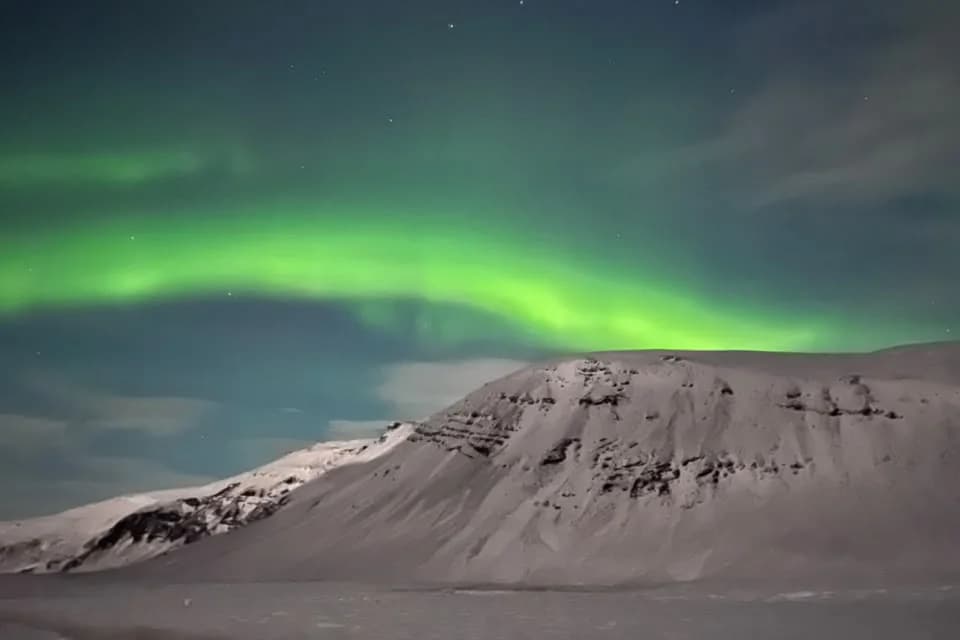
February gives you dark enough nights for the aurora and enough daylight to actually see the country — plus winter prices. What to expect, what it costs and what to book.
Read more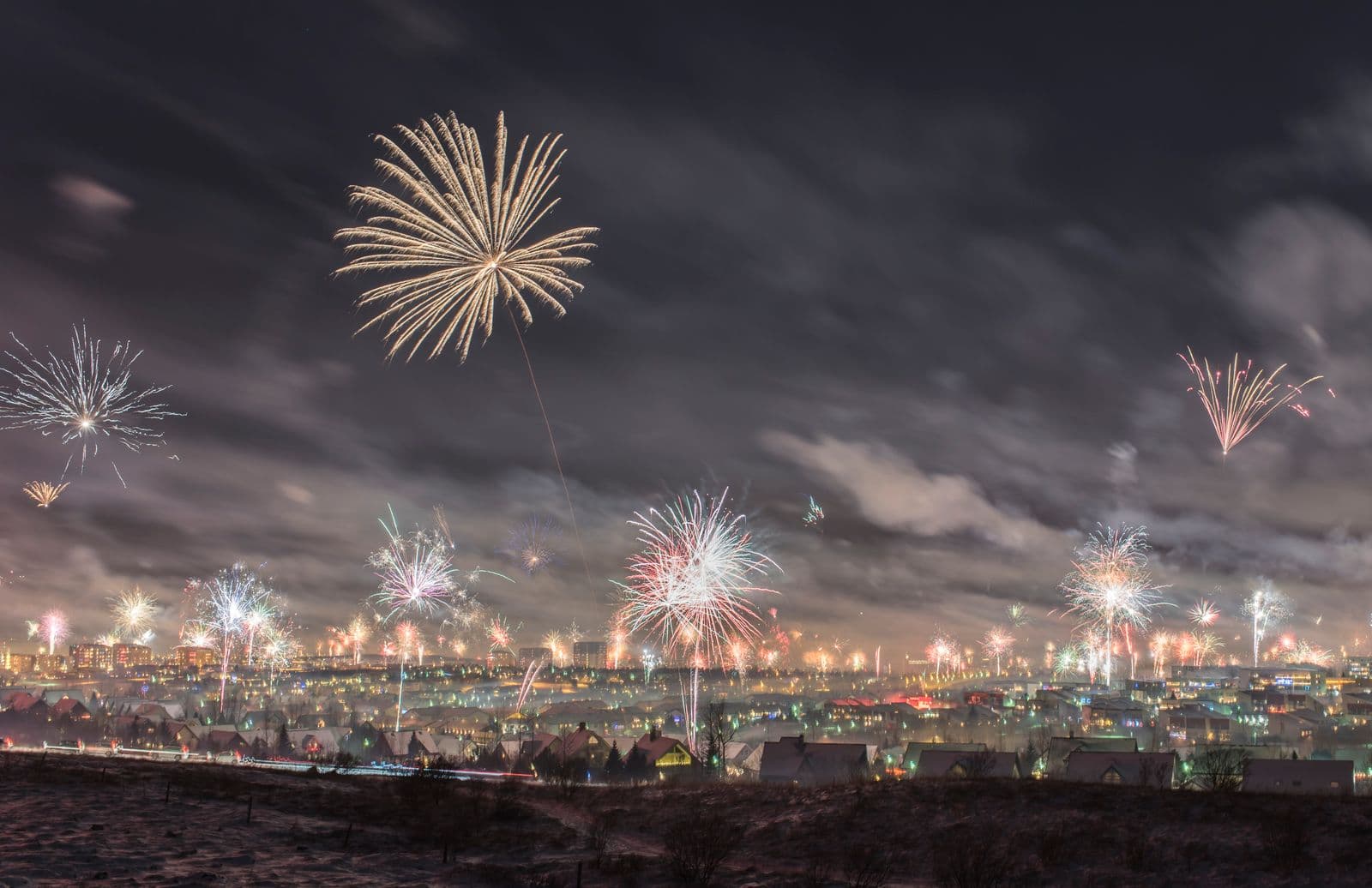 Seasons & weather
What Iceland is really like in December: 4–5 hours of daylight, northern lights, Christmas lights in Reykjavík, 13 Yule Lads, New Year's Eve fireworks, road conditions and a realistic plan for a short winter trip.
Read more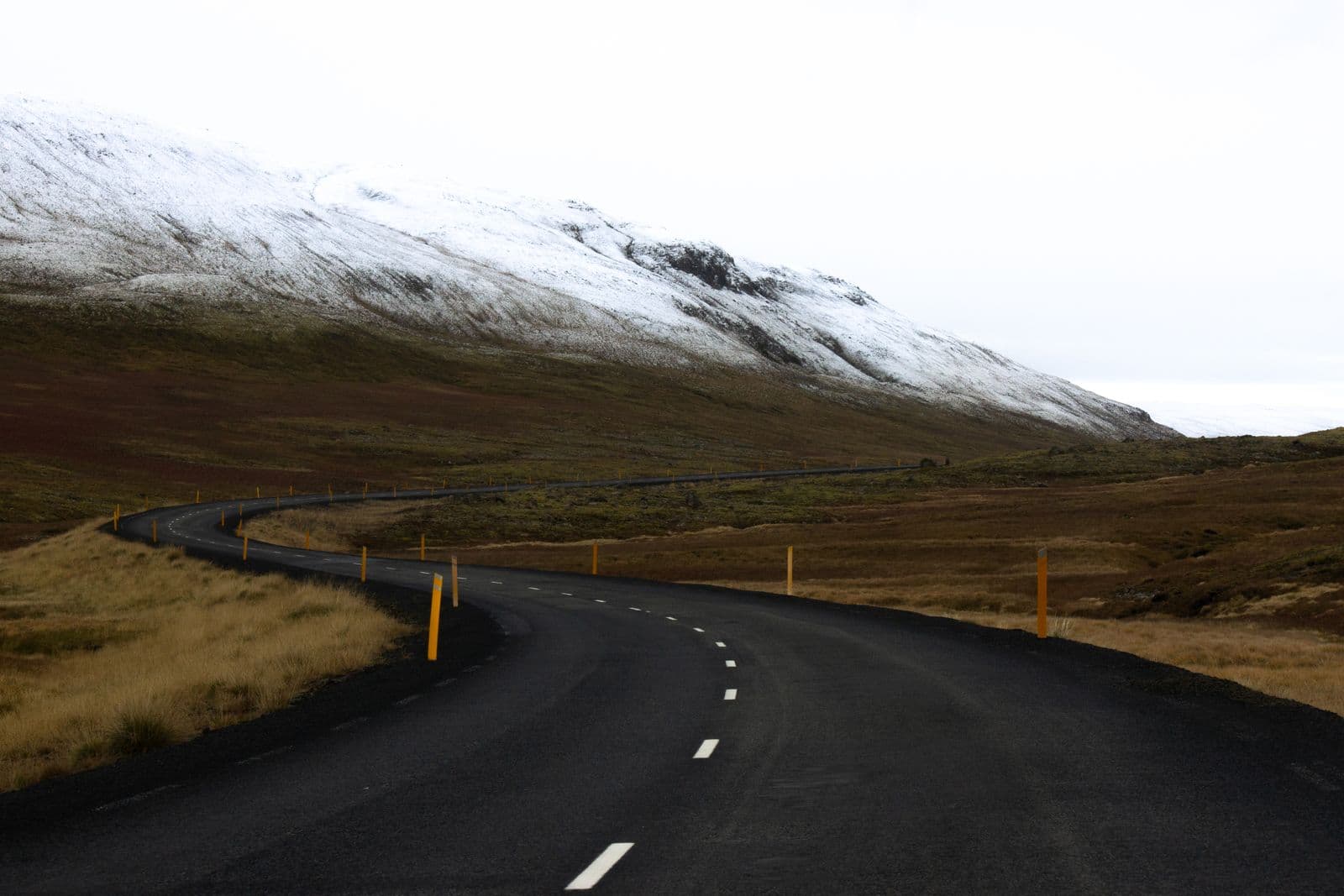 Seasons & weather
What Iceland is really like in January: 4–7 hours of growing daylight, the best ice cave season, long aurora nights, quiet sights, lower prices and how to plan around winter storms.
Read more


