


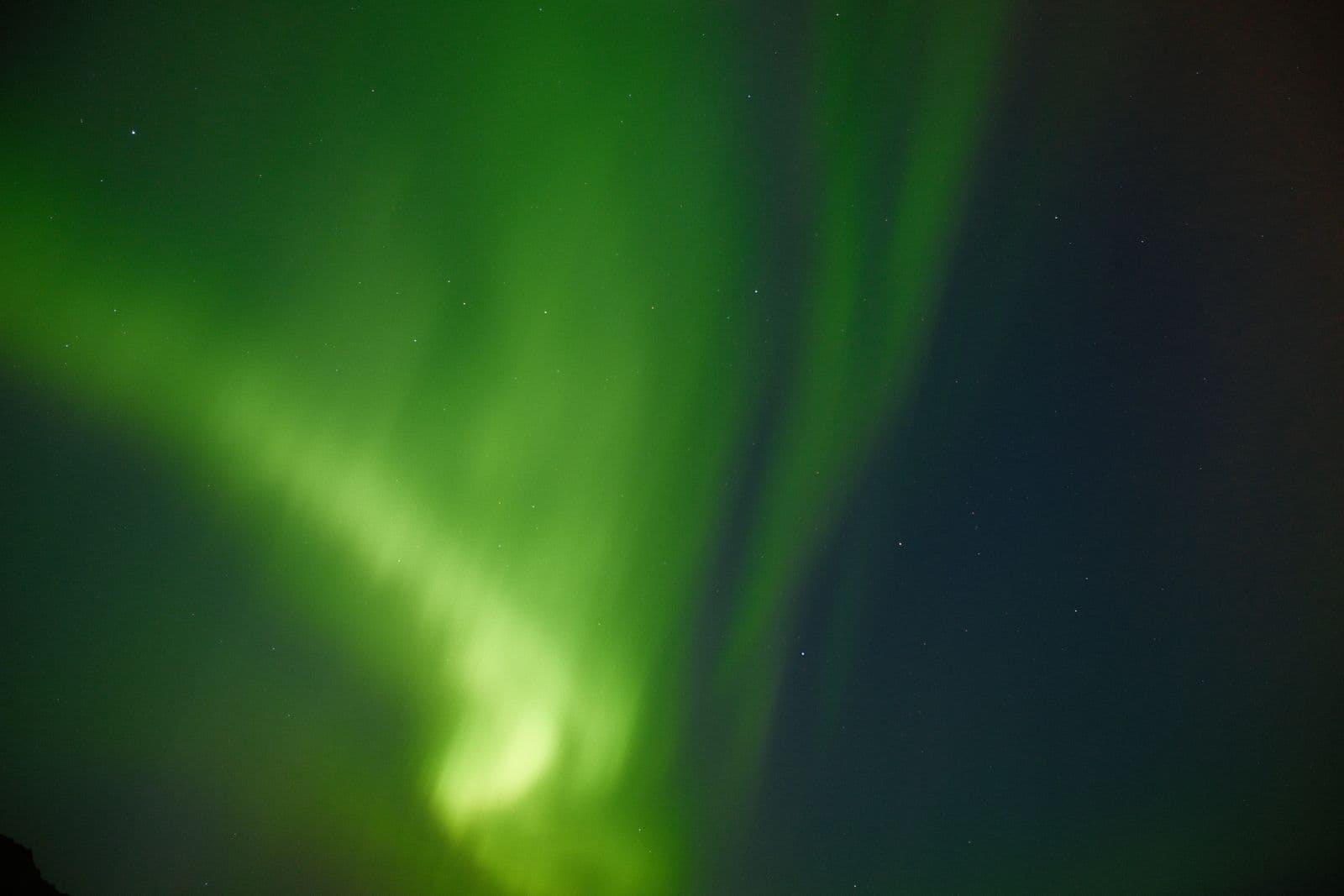

Northern Lights
Away from the city lights · Sep–Apr

Car
1–4 people
48,000 kr
Van
5–7 people
65,000 kr


Drive Reykjavik team · 5 min read · November 2026
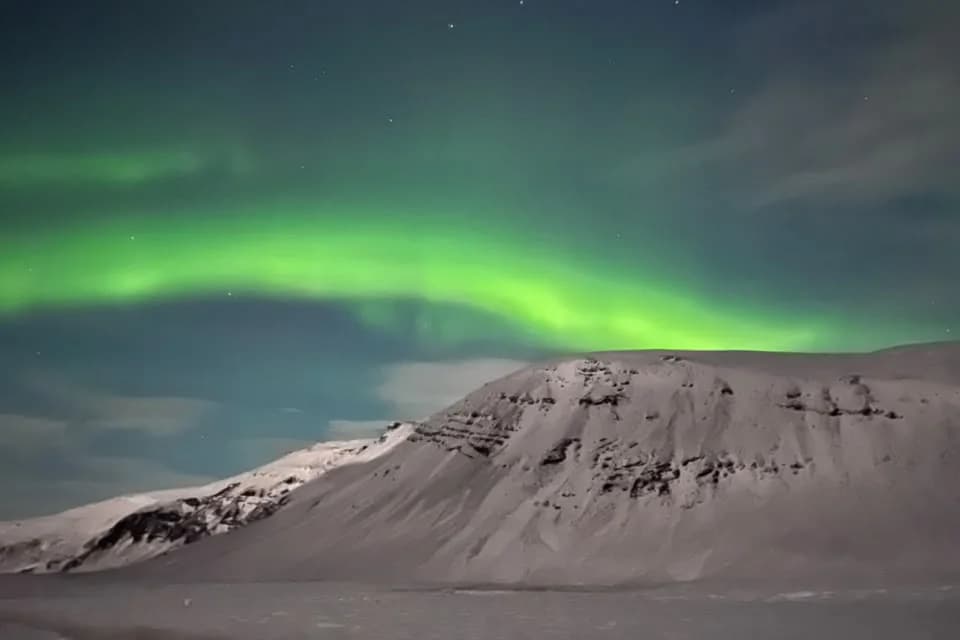
February is the compromise month in the best sense: enough darkness to hunt the aurora properly, enough daylight to see waterfalls and glaciers without rushing, and far fewer people in front of them than you will meet in July.
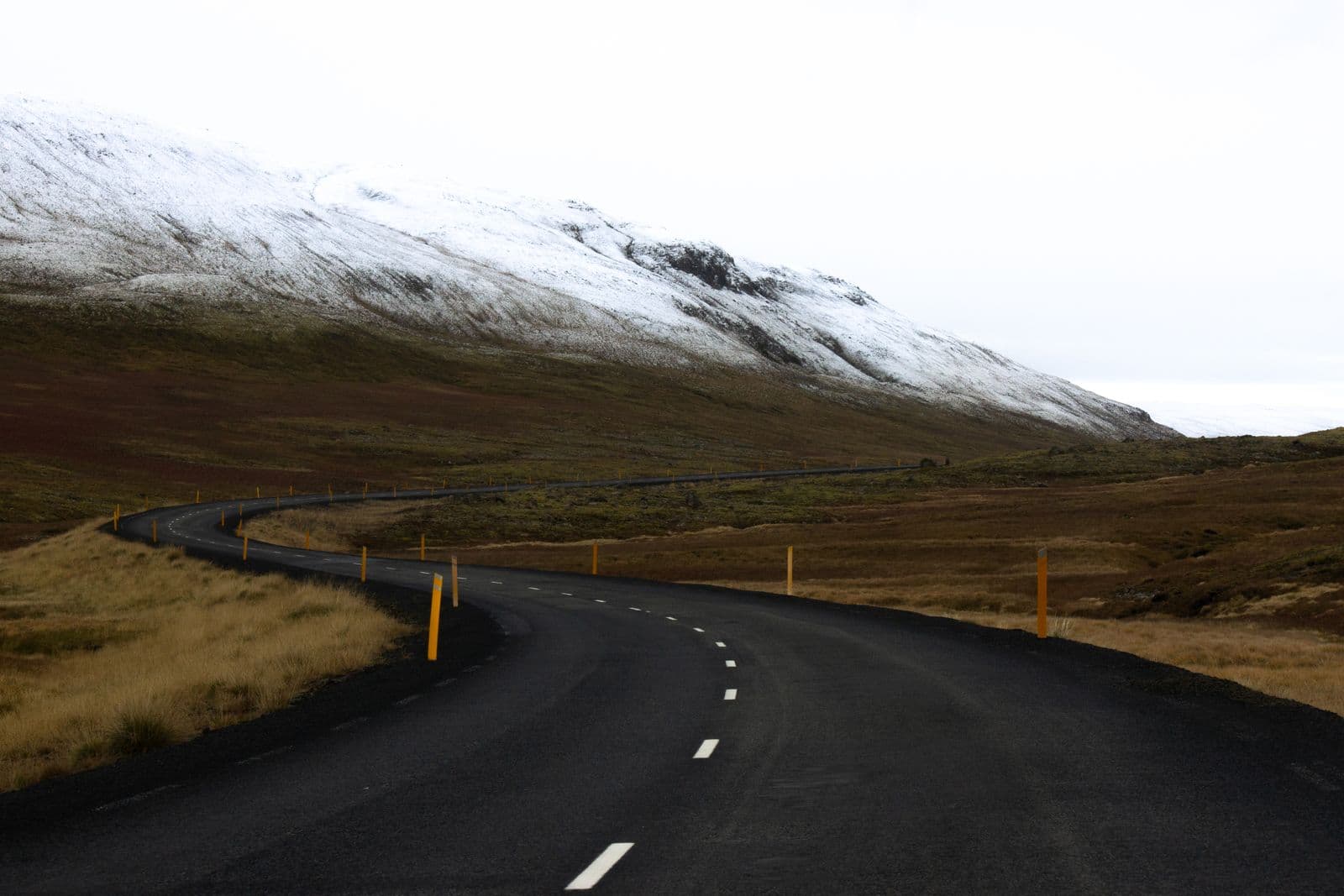
On 1 February the sun comes up over Reykjavík at about ten in the morning and sets a little after five. By the end of the month sunrise is closer to half past eight and sunset after half past six. That is nearly three extra hours of usable day gained inside four weeks — the fastest change of the year.
In practice it means a Golden Circle day no longer feels like a race, and a South Coast day as far as Vík is comfortable again. It also means that in late February the gap between sunset and a properly dark sky starts to stretch, which is why our Golden Circle + Northern Lights day runs only to about mid-month.
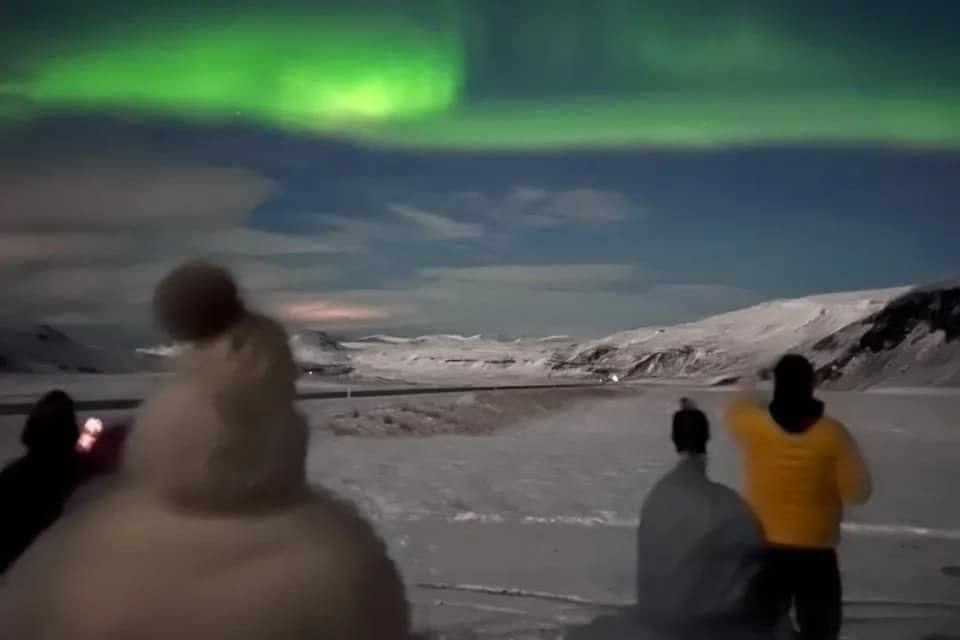
February is one of the better months of the season. Nights are long enough, and statistically the weeks around the equinoxes tend to bring more activity — which makes late February through March interesting. None of that is a promise: the aurora needs solar activity and a clear sky, and Iceland supplies clouds generously.
What helps is being able to move. On a private aurora hunt your driver reads the cloud map through the afternoon and drives to the hole in it, rather than taking forty people to a fixed stop and hoping. If you want to read the forecast yourself first, we explain it in how to read the aurora forecast.
It is one of the best value months: still dark enough for aurora, enough daylight for a full day out, low crowds and winter prices on flights and hotels.
Reykjavík usually sits around freezing, from about −3 °C to +4 °C. The wind is what you feel, not the thermometer, so a windproof outer layer matters more than a thicker jumper.
February gives you good odds but nobody can guarantee them. You need solar activity, a clear sky and darkness together. Several nights in the country beat one, and a private car can move to the clear sky.
Many people do, but conditions change fast, wind is the real hazard and some roads close at short notice. If it is your first Icelandic winter, a local driver is the easier call.
About seven at the start of the month and close to ten by the end — the fastest-growing light of the year.
Yes, and winter is arguably the best time for it. We run transfers and a [package that combines it with the airport run](/tours/kef-blue-lagoon-transfer).
No. The price is per vehicle and the same all year, with no night rate. Only the public holidays around Christmas and New Year carry a holiday rate, and that is shown next to the price before you book.
We move the day where we can, and transfers are free to cancel up to 24 hours before, tours up to 30 days. We would rather reschedule than drive you into a closed road.
Comparing months? See Iceland in January, Iceland in March and the month-by-month weather guide.
Away from the city lights · Sep–Apr
Car
1–4 people
48,000 kr
Van
5–7 people
65,000 kr
Travel tips
 Seasons & weather
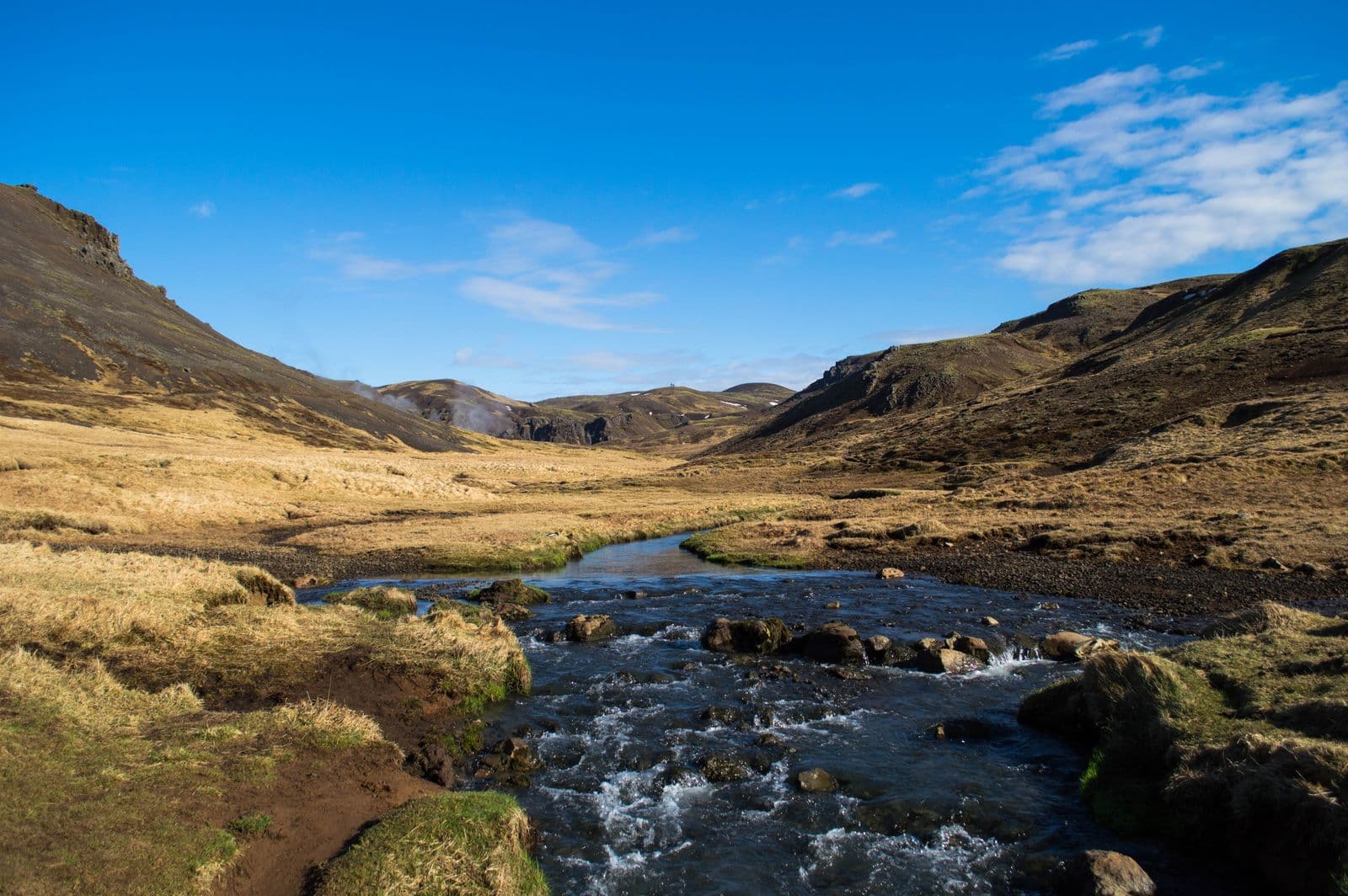
March gives you twelve hours of light and still-dark nights, roads that are opening up again and far fewer people than summer. The honest guide to what it is like and what to book.
Read more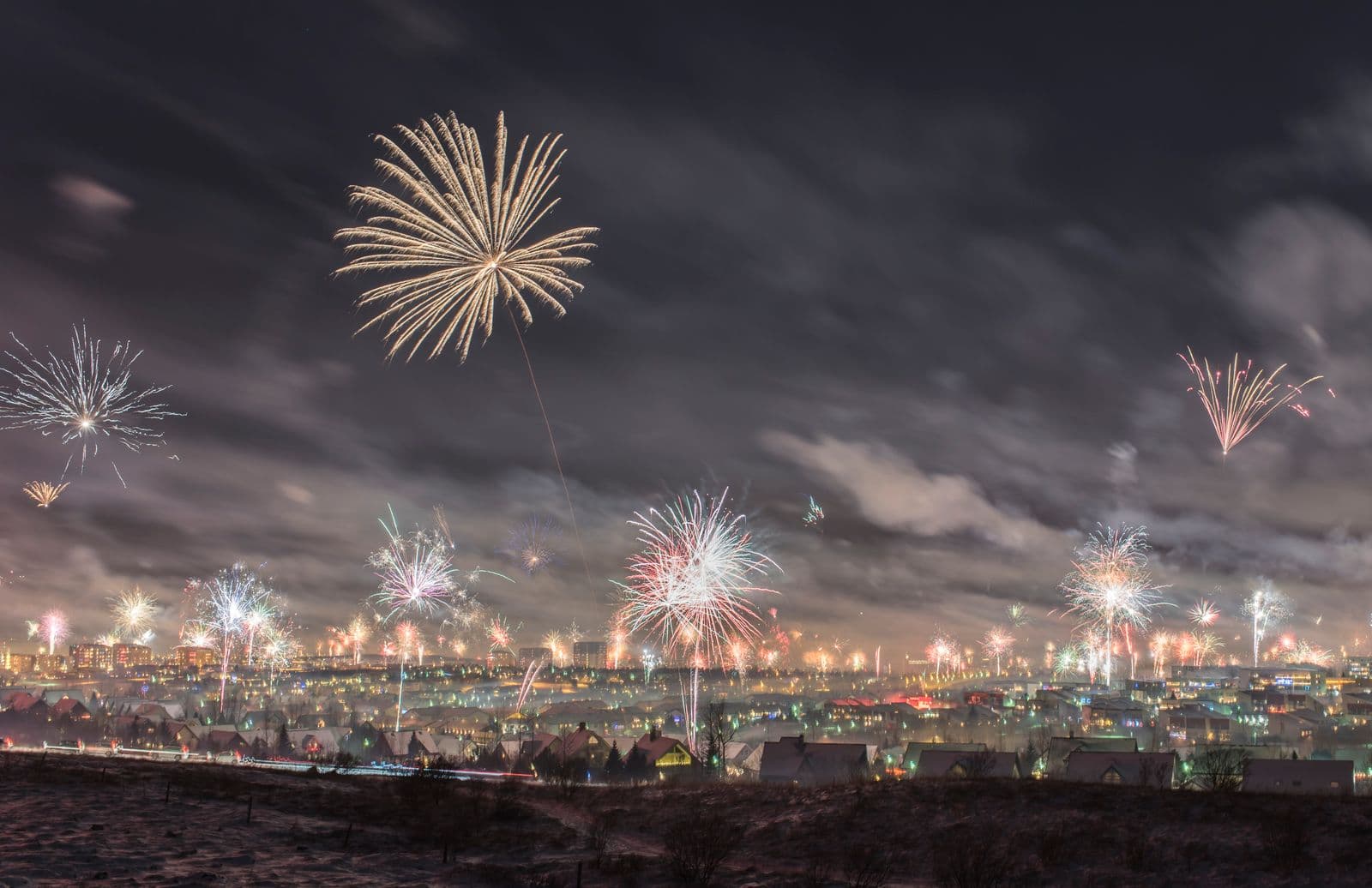 Seasons & weather
What Iceland is really like in December: 4–5 hours of daylight, northern lights, Christmas lights in Reykjavík, 13 Yule Lads, New Year's Eve fireworks, road conditions and a realistic plan for a short winter trip.
Read moreSeasons & weatherWhat Iceland is really like in January: 4–7 hours of growing daylight, the best ice cave season, long aurora nights, quiet sights, lower prices and how to plan around winter storms.
Read more


