


 Manage booking
Volcanoes in Iceland: What You Can (Safely) See

Drive Reykjavik team · 5 min read · September 2026
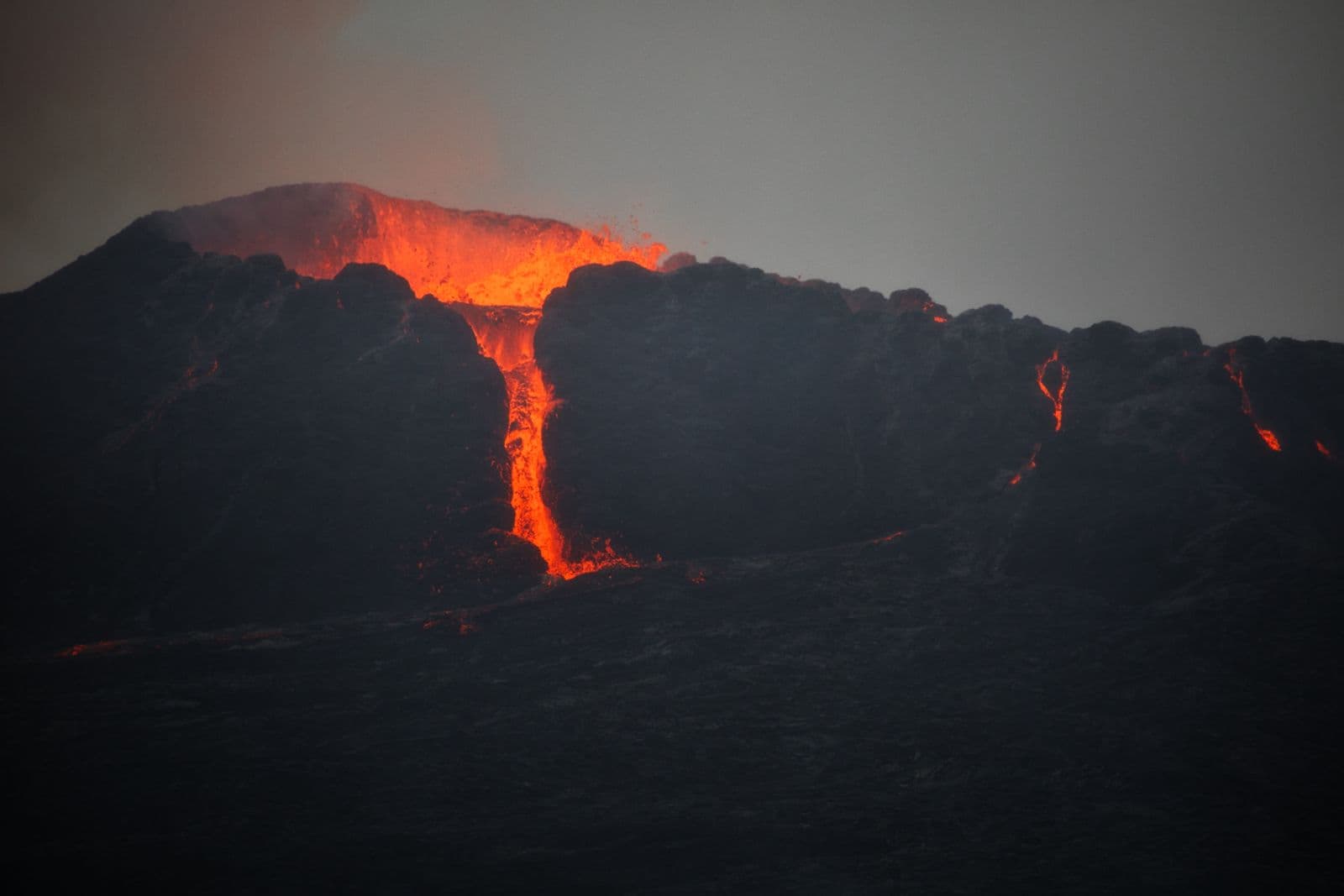
Iceland sits on the boundary between two tectonic plates and above a hotspot, so volcanoes shape almost everything you see. If you are searching for an Iceland volcano to visit, the first thing to know is that eruptions are unpredictable, often short, and the areas around them can be closed for safety. The good news is that you can experience volcanic Iceland in many safe ways, with or without an active eruption.
This guide explains what travellers can see, how eruptions can affect plans, where to find reliable information and how to travel responsibly.
Why Iceland has so many volcanoes
The Mid-Atlantic Ridge, where the North American and Eurasian plates drift apart, runs straight through the island. At Þingvellir National Park, a stop on the Golden Circle, you can walk through a rift valley that is a visible result of this movement. Iceland has many volcanic systems, some of which have erupted in recent history, and eruptions can occur with little warning.
Some names are known well beyond Iceland. The 2010 eruption of Eyjafjallajökull sent ash into the sky and disrupted air travel across Europe for days. Katla lies beneath the Mýrdalsjökull glacier near Vík, and Hekla is a well-known volcano in the south. Volcanoes like these are monitored closely, which is one reason Iceland can warn visitors and close areas quickly when needed.
Eruptions: what visitors should know
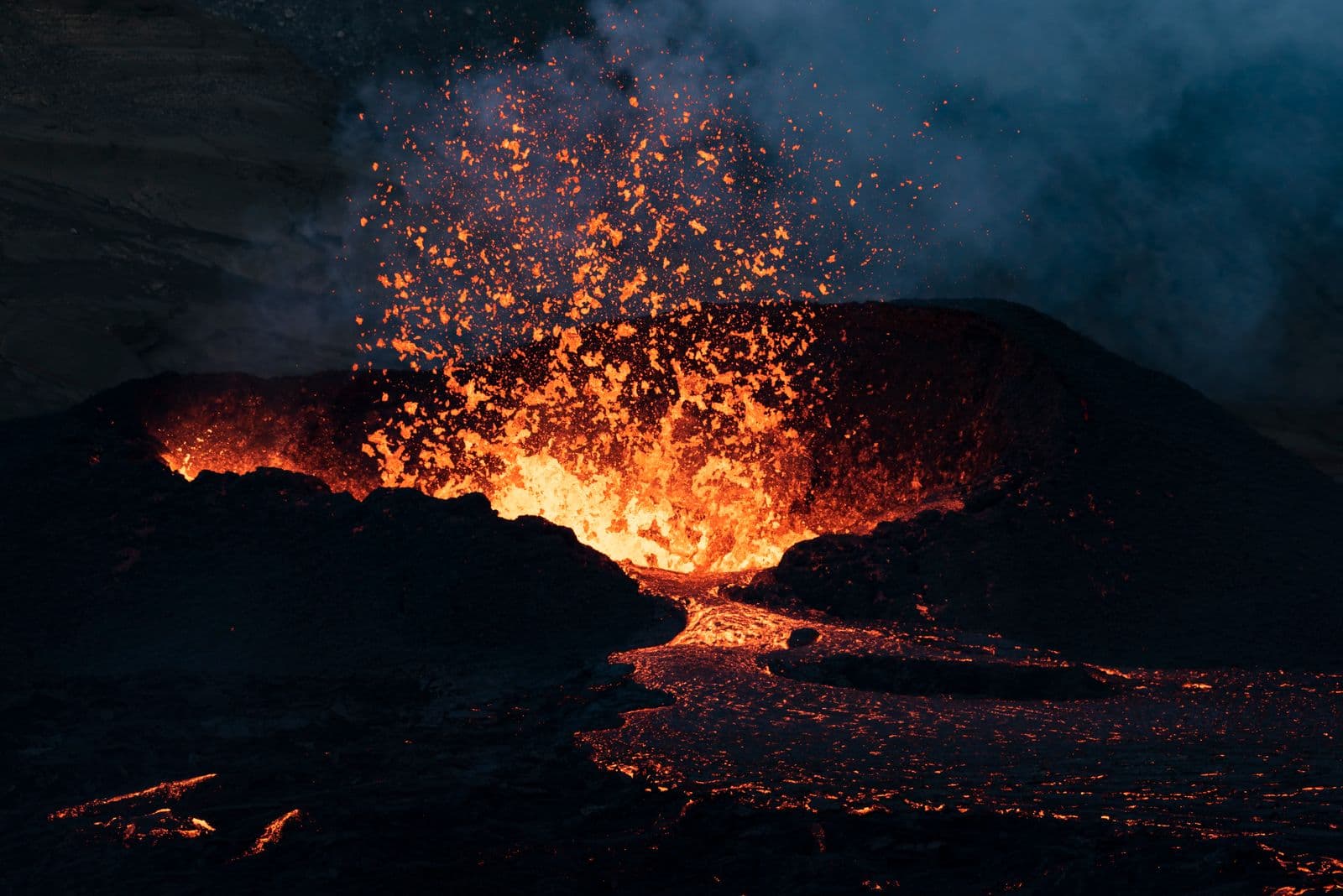
In recent years there have been eruptions on the Reykjanes peninsula, close to Keflavík Airport and the Blue Lagoon. Many were visible from a distance and attracted visitors. But access depends on conditions on the day: authorities can close areas because of lava flows, gas pollution or changing weather, and the situation can change within hours.
- Never plan a trip around seeing an eruption; it cannot be guaranteed and sites may be closed.
- Follow official instructions and respect closures and barriers at all times.
- Volcanic gases can be harmful, especially to children, older people and anyone with breathing problems.
- New lava fields can be unstable and very hot beneath the surface.
- Weather can change quickly near active areas, so dress warmly and bring water.
To learn what is happening, check the Icelandic Met Office for volcanic and weather updates, and Safetravel for travel safety information. Both publish information in English. We cannot promise access to any eruption site, and we would never take a group into a closed or unsafe area.
Safe ways to experience volcanic Iceland
Plenty of volcanic features are open year-round and require nothing but a good pair of shoes.
Lava fields and craters
Much of the drive from Keflavík Airport to Reykjavík crosses ancient lava fields covered in moss. Elsewhere you can walk around craters such as Kerið near the Golden Circle, a colourful crater lake with a short, easy path.
Geothermal areas
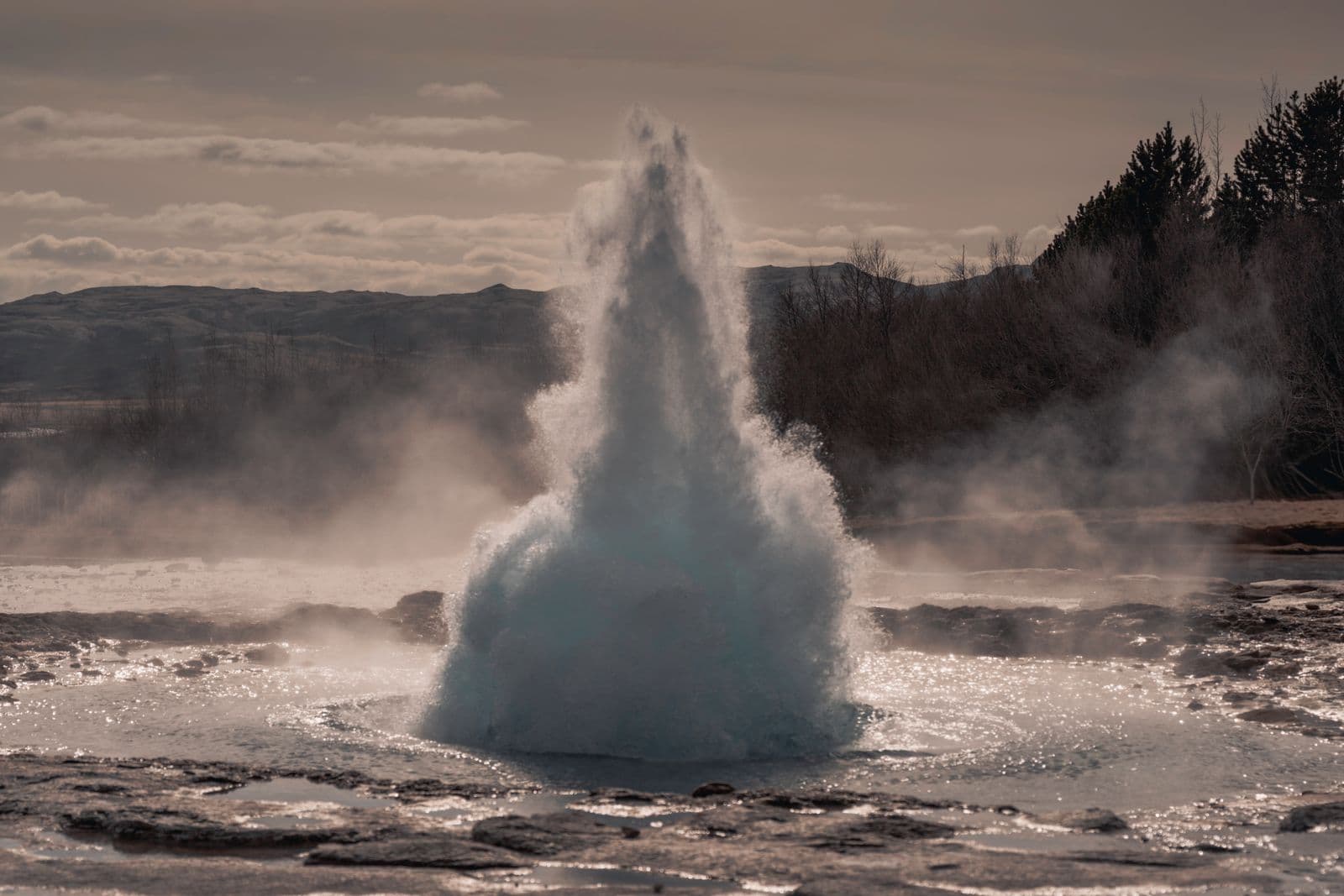
At Geysir, steam vents and boiling pools show the heat just below the surface. Stay on marked paths and never touch the water. Our Golden Circle guide explains the area in more detail.
Lava tunnels and caves
Hollow tubes left by flowing lava can be visited with qualified guides. Only go with a licensed operator, because caves can be slippery and dark and require proper equipment. Check what they provide and what the conditions require.
Volcano exhibitions and the Reykjanes area
Museums and exhibitions in Reykjavík and in the south explain volcanoes and show how Icelanders live with them, which is useful on a wet or windy day. The South Coast also runs below glaciers that cap major volcanoes, which adds context to the waterfalls and black sand beaches. Check current opening hours and prices for any exhibition before you go.
Planning your trip around volcanic activity
Eruptions can occasionally affect flights, roads and some services, although in many cases normal travel continues. Build flexibility into your plans and keep an eye on updates in the days before your trip.
- Check flight status with your airline in the days before you travel.
- Book accommodation and tours with sensible cancellation terms.
- Add your flight number when you book a transfer so your driver can plan.
- Keep one spare day in your itinerary in case something has to move.
Travelling responsibly also means looking after the landscape. Stay on marked paths so you do not damage fragile moss, which takes many years to recover, and take your rubbish with you. Remember that even a calm-looking area can hide hot ground or loose rock, so keep children and pets close and do not wander off the trail for a better photograph.
Getting around with a driver
Volcanic areas are often remote, and weather and road conditions can be tricky. A private driver who handles the roads lets you concentrate on the landscape. Our private tours are priced per car, with your own driver, and you can message us on WhatsApp at +354 777 3949 to ask what we can arrange for your route. If you are flying in, a transfer from Keflavík Airport starts from 18,900 kr per car to Reykjavík, with 45 minutes of free waiting, and you pay a 20% deposit online.
FAQ
It cannot be guaranteed. Eruptions are unpredictable and areas can be closed for safety. Check official sources before and during your trip.
They can be. Hazards include lava, gas and unstable ground. Always follow closures and official advice.
Occasionally. Check with your airline and stay flexible. Add your flight number when you book a transfer.
The Icelandic Met Office for volcanic and weather updates, and Safetravel for travel safety advice.
Lava fields, craters, geothermal areas, lava tunnels with licensed guides, and volcano exhibitions.
Travel tips
More in Golden Circle & day tours


 Golden Circle & day tours
Golden Circle from the Reykjavík cruise port (Skarfabakki): a shore-day plan
Can you see Þingvellir, Geysir and Gullfoss on a cruise stop in Reykjavík? How to plan the Golden Circle from Skarfabakki around your ship's all-aboard time.
Read more Golden Circle & day tours
Snæfellsnes or the South Coast: which day trip should you choose?
Waterfalls and black sand or a glacier volcano and quiet fishing villages? We compare the South Coast and Snæfellsnes day trips from Reykjavík to help you choose.
Read more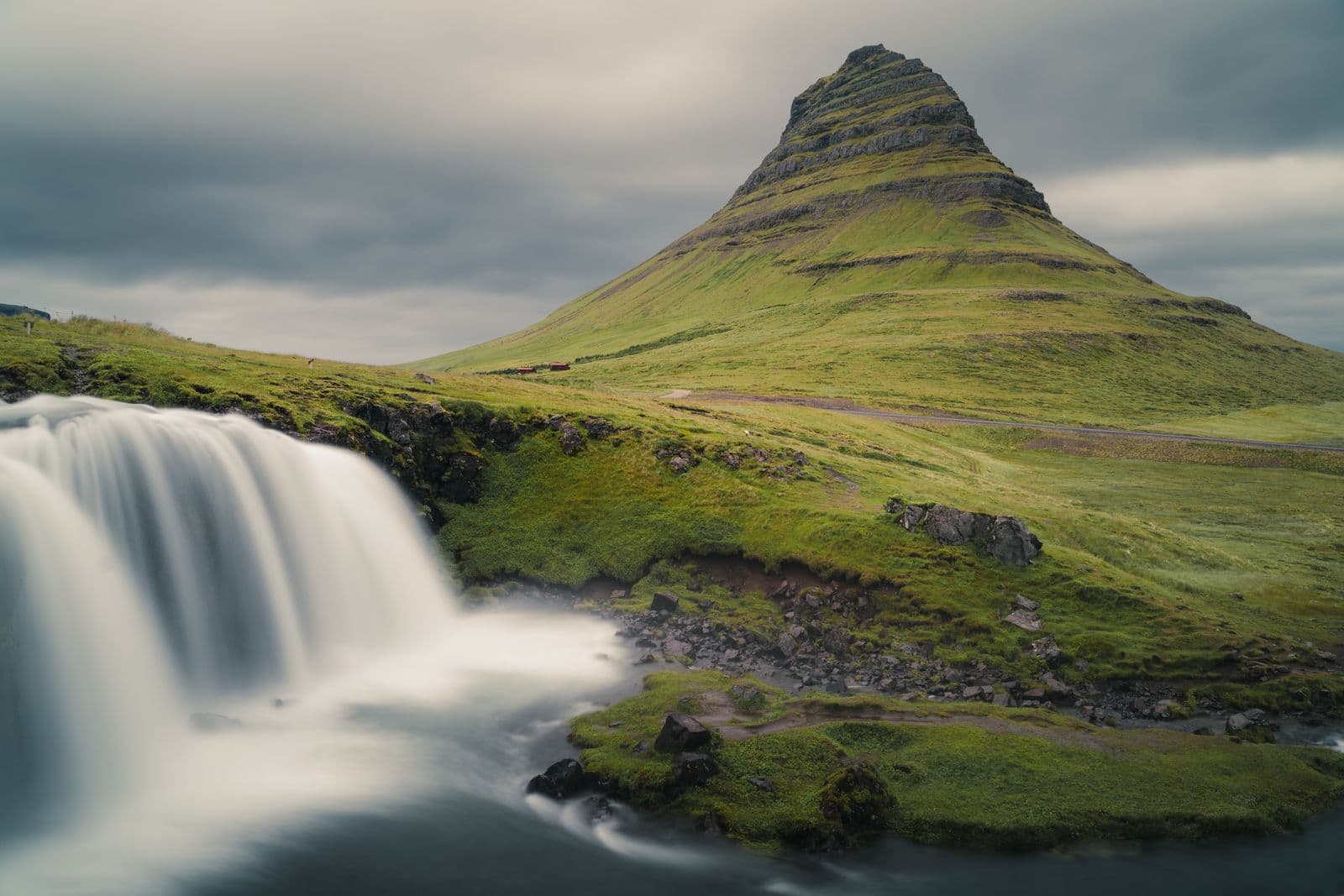 Golden Circle & day tours
Film locations you can see on a day trip from Reykjavík
Þingvellir, Reynisfjara, Dyrhólaey, Kirkjufell, Stykkishólmur and Svínafellsjökull: the film and TV locations you can reach in one day from Reykjavík.
Read more