


 Manage booking
Money in Iceland: Cards, Cash, ISK and Tipping

Drive Reykjavik team · 5 min read · August 2026
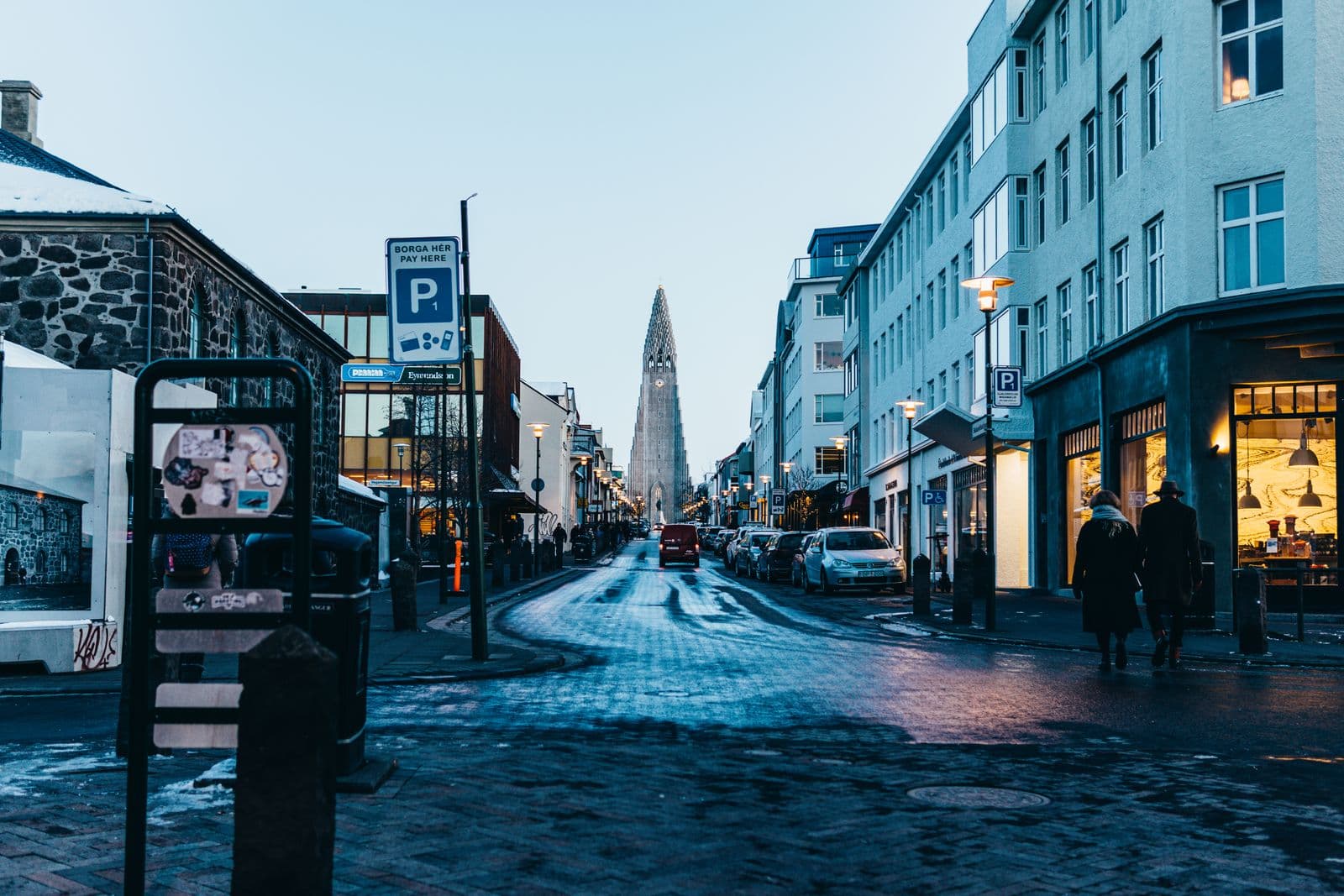
Two questions come up in almost every trip plan: do I need cash, and is tipping in Iceland expected? The short answers are that you can get by with a card almost everywhere, and that tipping is not part of the culture in the way it is in some countries. The details are worth knowing so that you neither overpay nor feel awkward.
This guide covers the currency, card payments, cash, tax-free shopping and tipping, and shows how payment works for your airport transfer or tour.
The Icelandic króna (ISK)
Iceland uses the króna, abbreviated ISK, and prices are normally shown in whole krónur. Exchange rates move, so check the current rate before you convert large amounts, and use a converter on your phone when you are comparing prices.
- Shop prices are shown in ISK, usually with taxes already included.
- Many places also accept foreign cards without any special setup.
- Ask your bank about foreign transaction fees before you travel.
- If you are offered the choice, paying in the local currency is usually the sensible option; check the terms before you accept a conversion at the terminal.
Paying by card and contactless
Cards are widely accepted, including for small purchases such as a coffee, a bus ticket or a snack. Contactless payment and mobile wallets work in most shops, restaurants and attractions. Plenty of locals pay by card or phone for everything.
- Carry at least one Visa or Mastercard; they are the most commonly accepted.
- Know your card PIN, because chip-and-PIN is common and some self-service terminals ask for it.
- Notify your bank of your travel dates so your card is not blocked.
- Bring a backup card in a different place from your main one.
Some unattended terminals, for example at certain fuel stations, can reject cards without a PIN. If you rent a car, check how fuel payment works at pickup.
Before you leave, check your card limits and whether your bank blocks unusual overseas purchases. It is worth setting up a mobile wallet on your phone as well, because it is handy for quick payments and a useful backup if a physical card stops working. When travelling as a group, agree early how to split shared costs such as a transfer; a fixed price per car is easy to divide.
Do you need cash?
Usually not much. Most visitors manage a whole trip with only a card. A small amount of cash can be useful for a rare small seller or an emergency, but it is not essential. ATMs are available in towns and at the airport; check your bank's fees and any withdrawal limits before you rely on them.
For transfers and tours with us, you do not need to carry cash unless you prefer it. You can pay a 20% deposit online and the rest to the driver by card or cash, or pay the full amount online. All prices are charged in ISK, and other currencies on the site are for display only.
Tipping in Iceland: what is the custom?
Tipping is not expected in Iceland. Service is normally included in the price, and staff are paid a regular wage. You will not offend anyone by leaving nothing at a restaurant, a taxi or a hotel.
- Restaurants and cafés: no tip is expected; the price you see is the price you pay.
- Taxis and drivers: not expected, though you can round up to the nearest convenient amount if you like.
- Hotels and tour guides: not required; a thank-you and a good review mean a lot.
- If you simply loved the service, a tip is accepted gratefully, but it is a gift, not an obligation.
That includes your driver. You are not expected to add anything to a fixed-price transfer, and the price you confirm is the price you pay. If you would like to thank your driver after a great tour, a kind word and a review are very welcome.
Tax-free shopping and other money tips
Visitors from outside Iceland may be able to reclaim VAT on some purchases. The rules, minimum amounts and refund process change, so ask the shop before you buy and check the current conditions. Keep your receipts and refund forms together for the airport.
- Tap water is safe to drink, so refill a bottle instead of buying water.
- Compare prices before big purchases; some things are noticeably more expensive than at home.
- Keep your payment cards in a secure place and never share your PIN.
- Save a few key numbers on your phone: your bank, and 112 for emergencies.
To plan the whole trip, see our realistic Iceland budget guide. If you are arriving soon, arriving at Keflavík Airport explains what to do after landing, and our FAQ covers payment and booking questions.
FAQ
No. Tipping is not expected, and service is normally included. A tip is a gift if you want to give one.
Almost everywhere in towns and at attractions. Carry a backup card and know your PIN, and keep a little cash for rare exceptions.
Usually not needed. Check your bank's fees and use a card or an ATM for ISK if you need some cash.
Yes. After the 20% online deposit, you can pay the rest to your driver by card or cash.
Yes, everything is charged in ISK. Other currencies are for display only.
Travel tips
More in Planning & practical tips


 Planning & practical tips
Child car seats in Iceland: what families need to know for airport transfers
Do you need a car seat for your airport transfer in Iceland? What the rules require, which seat fits which age, whether to bring your own and how to book.
Read more Planning & practical tips
What to Pack for Iceland in Every Season (Checklist)
A practical packing list for Iceland: the layering system, waterproofs, footwear, swimwear and the extras that change by season, plus what you can leave at home.
Read more Planning & practical tips
Accessible Travel in Iceland: Getting Around with Reduced Mobility
Planning accessible travel in Iceland? How to prepare for the airport, transport, sights and weather, and what to ask any operator before you book.
Read more