


 Manage booking
Accessible Travel in Iceland: Getting Around with Reduced Mobility

Drive Reykjavik team · 5 min read · October 2026
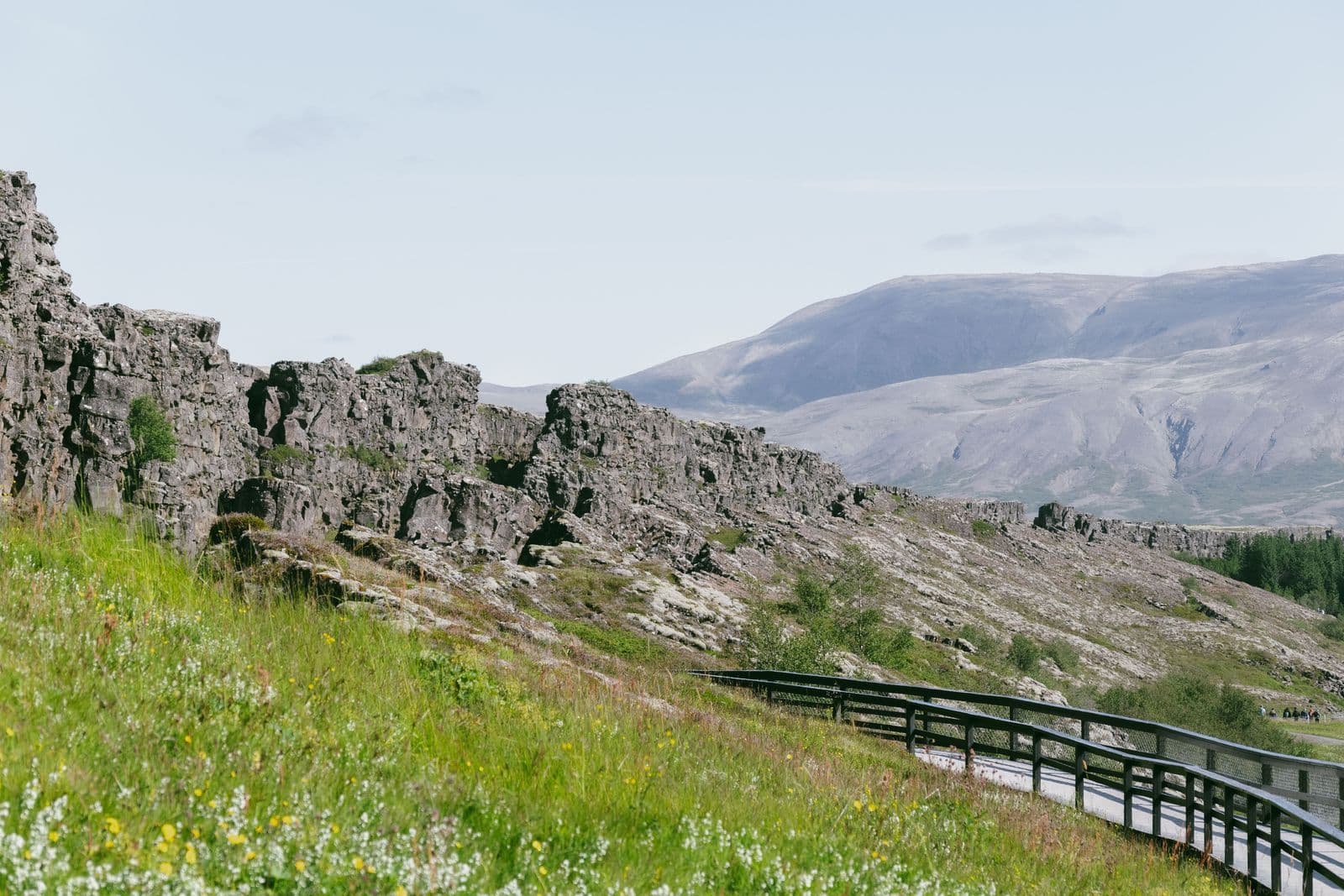
Accessible travel in Iceland is possible, but it needs more preparation than a city break. Many sights are outdoors, paths can be uneven or icy and weather changes quickly. At the same time, plenty of places have paved paths, viewing platforms and facilities, and a good plan can make the difference between a stressful trip and a comfortable one.
This guide gives general advice on getting around with reduced mobility. Accessibility changes with season, site works and conditions, so we do not claim detailed facts about specific places. Always confirm current information with each venue, and be honest about your needs when you book.
Accessible travel in Iceland: start with the right questions
Before you book anything, write down what you need and ask each provider directly. Clear questions get clear answers.
- Do you use a wheelchair, a walker or a cane, and can it be folded?
- Can you manage steps, and how many, or do you need step-free access?
- How far can you comfortably walk, and do you need regular rests?
- Do you need help with transfers in and out of a vehicle?
- Do you travel with an assistance dog or a carer?
At the airport
If you need help at the airport, tell your airline well before you fly. Airlines can usually arrange assistance for passengers with reduced mobility when it is requested in advance, from check-in to boarding and on arrival. Do this when you book, and confirm again close to travel.
After landing, see our guide to arriving at Keflavík Airport for the order of steps from gate to car. If your flight is late or baggage is slow, our 45 minutes of free airport waiting can take some pressure off.
Transfers and vehicles
Our fleet consists of an Economy car (Tesla) for 1 to 4 passengers and a Van (Mercedes Vito) for 5 to 7, with a minibus for 8 to 16 passengers on request. Please note that these are standard vehicles, not specially adapted wheelchair-accessible vehicles, and we do not offer a ramp or lift. See our fleet for the vehicles.
That does not mean we cannot help. Many travellers with limited mobility can manage a standard car, particularly if a driver can assist with luggage and a folding wheelchair or walker. Tell us in advance what you need: how you travel, how many people, how much luggage and any equipment. We will tell you honestly whether we are the right fit, and if we are not, we would rather say so than leave you stranded.
Practical details help us choose the right vehicle: whether you can walk a short distance to the car, whether you need a hand getting in and out, and how much luggage and equipment you will bring. The more we know before your pick-up, the smoother your arrival will be, and a pre-booked driver with a name sign in arrivals means you do not have to search for your ride.
Sights and nature
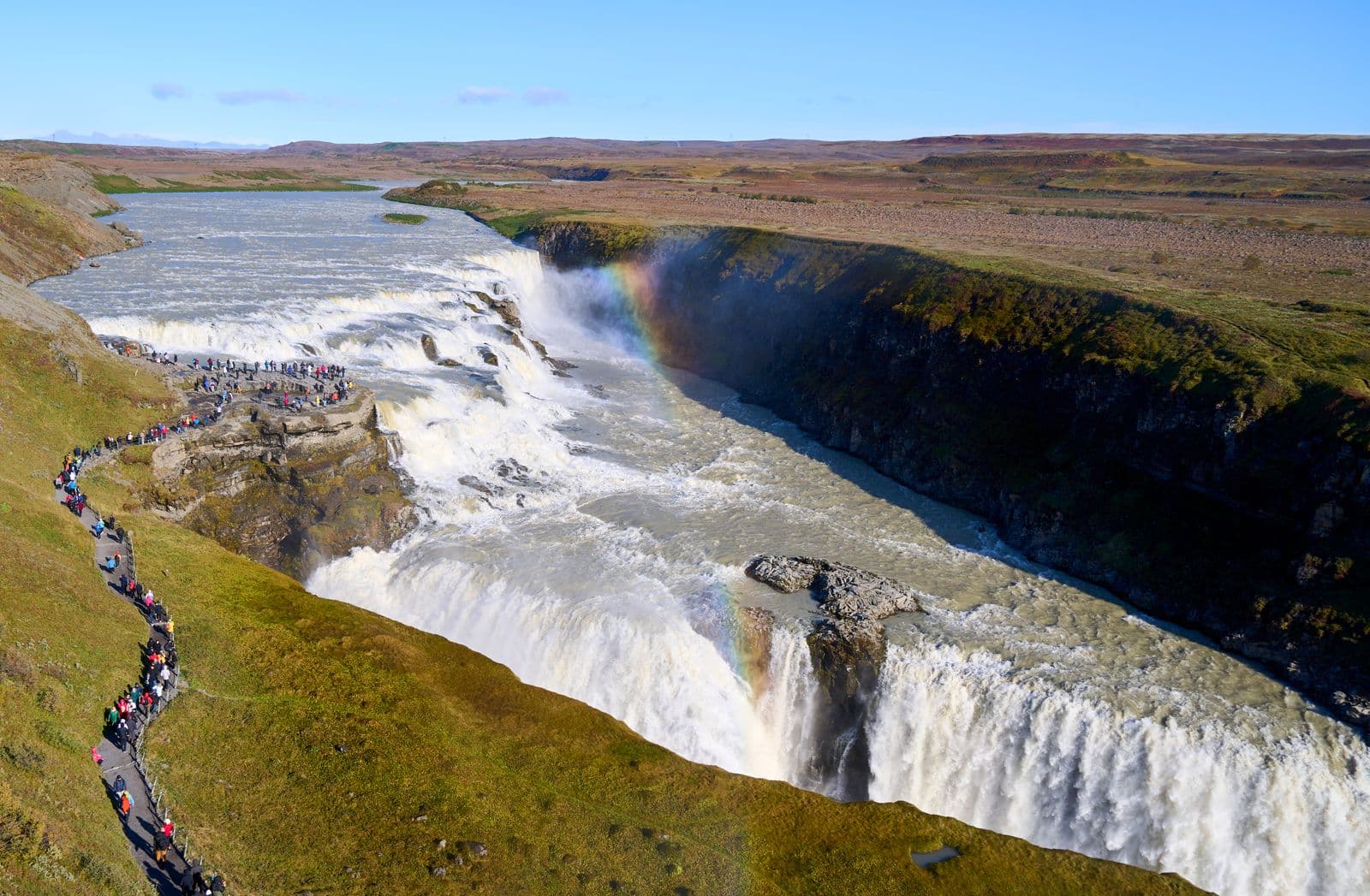
Iceland’s most famous sights are outdoors, and conditions matter. Some places have surfaced paths, railings and viewing platforms near a car park; others involve steep, uneven or slippery ground. Winter ice and rain can change a path completely.
- Check each site’s official information about paths, gradients and parking before you go.
- Ask what is possible from a car or a short distance from it, since many views can be enjoyed with little walking.
- Allow extra time, because rests, weather and slower walking all add up.
- Bring warm, waterproof layers and sturdy, non-slip footwear.
- Have a back-up plan for a day when the weather or ground makes a site unsafe.
A useful rule of thumb is to plan one main outing per day and keep the rest of the day light. Short viewpoints near a car park, scenic drives and a warm café stop can be satisfying in themselves. In winter, ice can make even a short path unsafe, so be ready to enjoy the view from the car or switch to an indoor alternative in Reykjavík, after checking its access and opening hours.
The Golden Circle is the classic route: you can read how the stops work in our Golden Circle guide and in our overview of Þingvellir National Park. Use these as a starting point, then confirm accessibility with the sites themselves.
Hotels, restaurants and pools
Many modern hotels and public buildings in Reykjavík have step-free access, but details vary. Ask accommodation about lifts, step-free entrances, bathroom layouts and room types before you book. Geothermal pools and spas often have changing rooms and access routes designed for different needs, though not all do, and older sites may be limited. Ask in advance what facilities are available and whether staff can assist.
Why a private tour can help
With a private tour you travel with your own driver, with your group only, at your own pace. That means the day can be planned around rests, short walks and the weather, rather than a fixed group timetable. Prices are per car, not per person. Again, our vehicles are standard cars and vans, so tell us what you need before you book.
FAQ
No. Our Economy (Tesla) and Van (Mercedes Vito) are standard vehicles without a ramp or lift. Contact us before booking and we will tell you honestly whether we can help.
Often yes, depending on the vehicle, the number of passengers and luggage. Tell us what equipment you have when you ask.
Your airline. Request it in advance when you book your flight.
It varies by place and season. Check each site’s current information and plan for ice and weather in winter.
Free cancellation is available up to 24 hours before pick-up, with a full refund.
Travel tips
More in Planning & practical tips


 Planning & practical tips
Child car seats in Iceland: what families need to know for airport transfers
Do you need a car seat for your airport transfer in Iceland? What the rules require, which seat fits which age, whether to bring your own and how to book.
Read more Planning & practical tips
What to Pack for Iceland in Every Season (Checklist)
A practical packing list for Iceland: the layering system, waterproofs, footwear, swimwear and the extras that change by season, plus what you can leave at home.
Read more Planning & practical tips
How much does a private transfer in Iceland cost? What a fixed price per car includes
Per car or per person? What a fixed transfer price in Iceland covers, what can change it, how to compare quotes, and when the bus really is the cheaper choice.
Read more