
 Manage booking

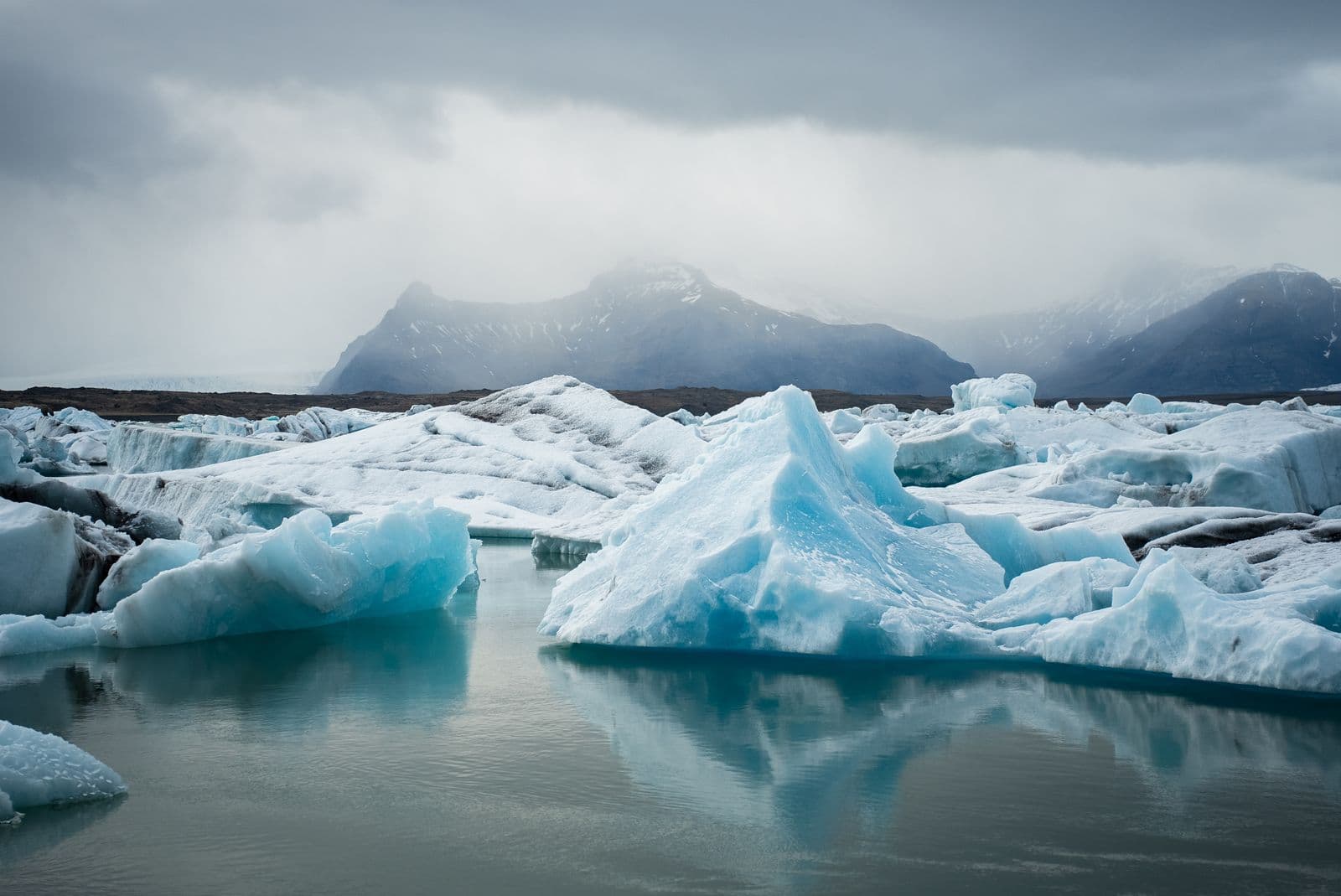

Jökulsárlón Glacier Lagoon
South Coast · Glacier lagoon · Diamond Beach

Car
1–4 people
170,000 kr
Van
5–7 people
On request


Drive Reykjavik team · 6 min read · October 2026
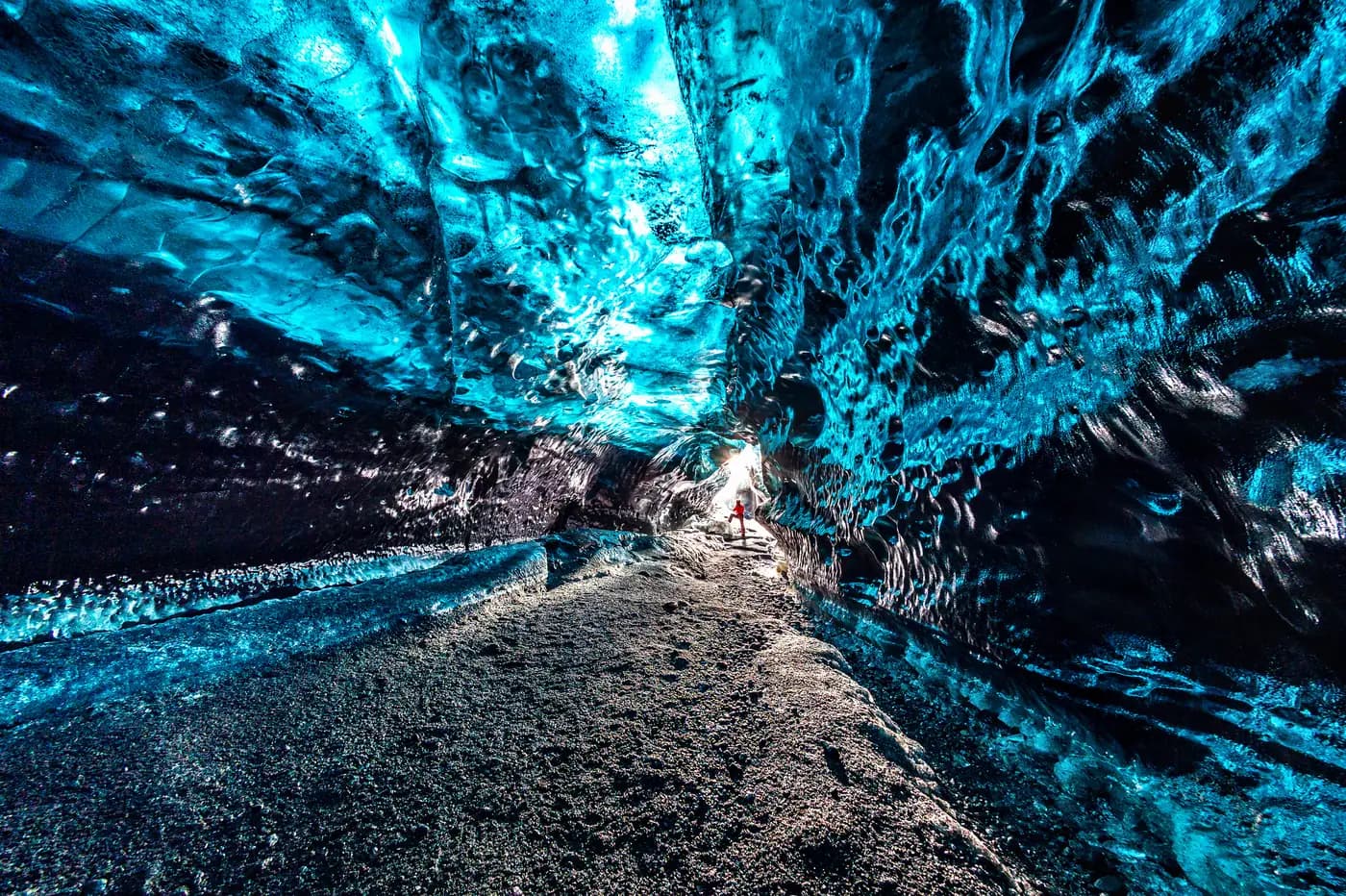
Iceland's ice caves are formed by meltwater running through and under glaciers. In the cold months, some of these channels become stable enough to walk into, and the light filtering through the ice turns everything a deep, glowing blue. No two seasons are the same: the caves are reshaped by the glacier every year.
There are three quite different experiences people call an "ice cave tour" in Iceland. Knowing which is which helps you choose the right one for your dates and your route.
The famous blue caves are found in the outlet glaciers of Vatnajökull, Iceland's largest glacier, especially around Breiðamerkurjökull near Jökulsárlón. Each autumn, glacier guides scout the ice for new caves that are safe to enter once the meltwater freezes.
The Katla ice cave is in Kötlujökull, an outlet of the Mýrdalsjökull glacier, which covers the Katla volcano. Tours start from the Vík area and run all year, because this cave is more stable than the seasonal blue caves. The ice is striped with black ash from past eruptions, which gives it a dramatic, darker look.
Because Vík is about 2.5 hours from Reykjavík, the Katla cave fits well into a South Coast day: waterfalls in the morning, the ice cave around midday, and Reynisfjara black sand beach before heading back. Read our Vík travel guide for more ideas in the area.
If you want a guaranteed experience close to Reykjavík, the man-made ice tunnel in Langjökull glacier is open all year. You ride a large glacier truck onto the ice and walk through lit tunnels deep inside the glacier. It is not a natural blue cave, but it is a fascinating look inside a glacier and works in summer, too.
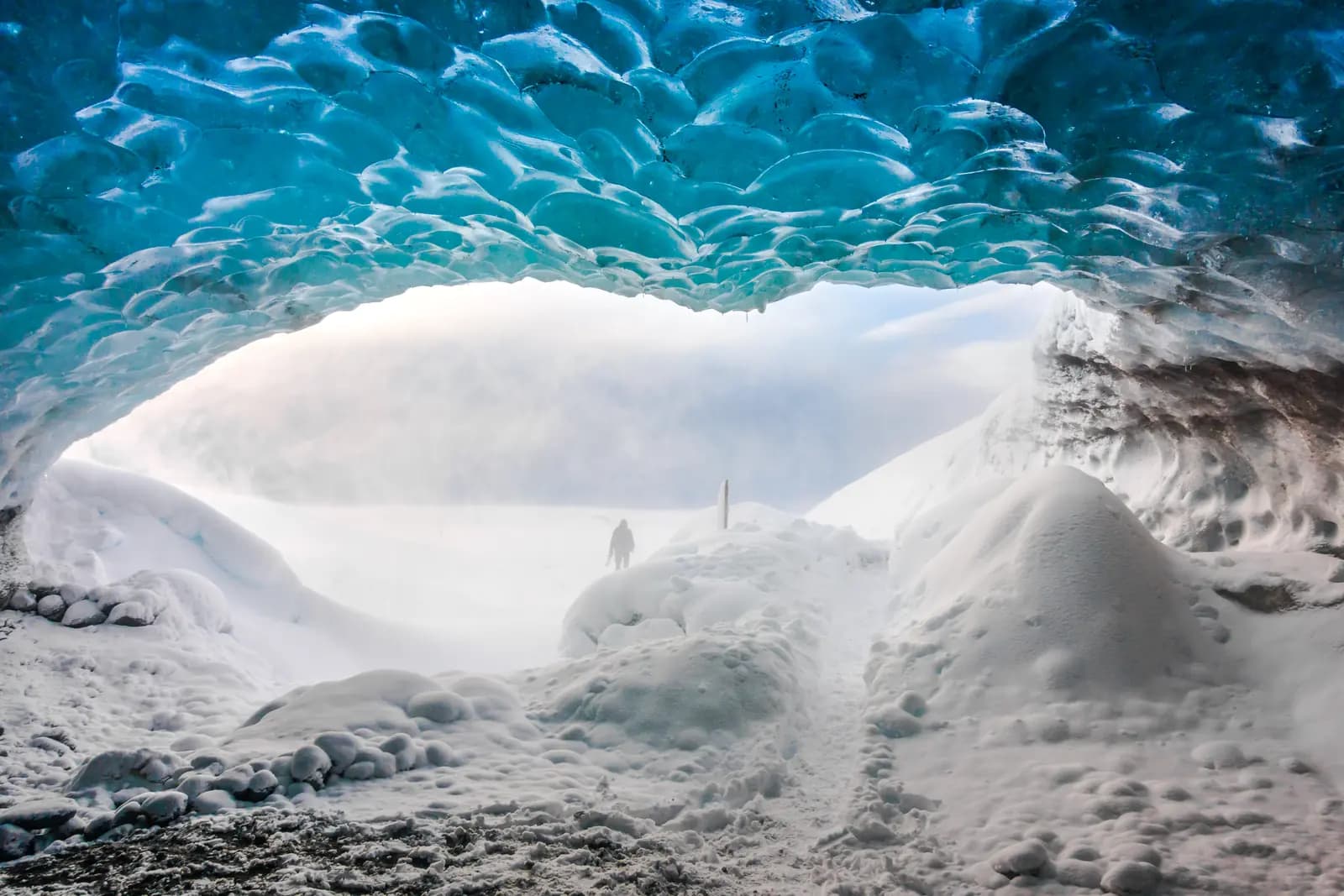
The meeting points are far from the capital, and in winter the daylight is short. That makes transport the hardest part of planning:
We offer a private Jökulsárlón glacier lagoon tour and a South Coast and Jökulsárlón tour from Reykjavík, and we can plan a day around your ice cave booking: pick-up at your hotel, the drive along the coast with stops, and time for your tour at the meeting point. For the Katla cave, our South Coast tour can be adapted. Message us on WhatsApp at +354 777 3949 with the time of your cave tour.
South Coast · Glacier lagoon · Diamond Beach
Car
1–4 people
170,000 kr
Van
5–7 people
On request
Ice caves are part of a moving glacier. Ceilings can collapse, meltwater can rise quickly, and crevasses hide under snow. Certified glacier guides check the ice every day and close caves when conditions are not safe. Never enter a cave on your own, even if you see an opening from the road, and never visit in summer without a guide: summer meltwater makes natural caves dangerous.
We have been driving travellers around Iceland for ten years, and we go everywhere in the country, not only to Reykjavík. Every tour is private for your group, with hotel pick-up in Reykjavík, a fixed price per car and free cancellation up to 24 hours before.
Natural blue ice caves in Vatnajökull are usually visited from November to March, depending on cold weather. The Katla ice cave and the Langjökull tunnel are open all year.
Yes, the Katla ice cave near Vík and the man-made tunnel in Langjökull are visited in summer. The natural blue caves of Vatnajökull are normally closed in summer.
Katla from Vík works as a day trip. Vatnajökull caves near Jökulsárlón are about 5 hours away, so a day trip is very long; many people stay a night on the South Coast.
Yes, always. Ice caves change daily and can be dangerous. Only visit with a certified glacier guide.
Prices vary by operator and cave; check the current price when you book. Transport from Reykjavík to the meeting point is usually separate.
Many tours accept children from around 6 to 10 years, depending on the cave and the operator. Check the minimum age when you book.
Warm layers, waterproof jacket and trousers, hiking boots, hat and gloves. Helmets and crampons are provided.
Yes. We plan private days from Reykjavík to Vík or Jökulsárlón around your ice cave booking, at a fixed price per car.
Travel tips
 Places to visit
Where and when to see whales in Iceland: tours from Reykjavík's Old Harbour, Húsavík in the north, Akureyri and Snæfellsnes. Species, best months, seasickness tips and how to combine a tour.
Read more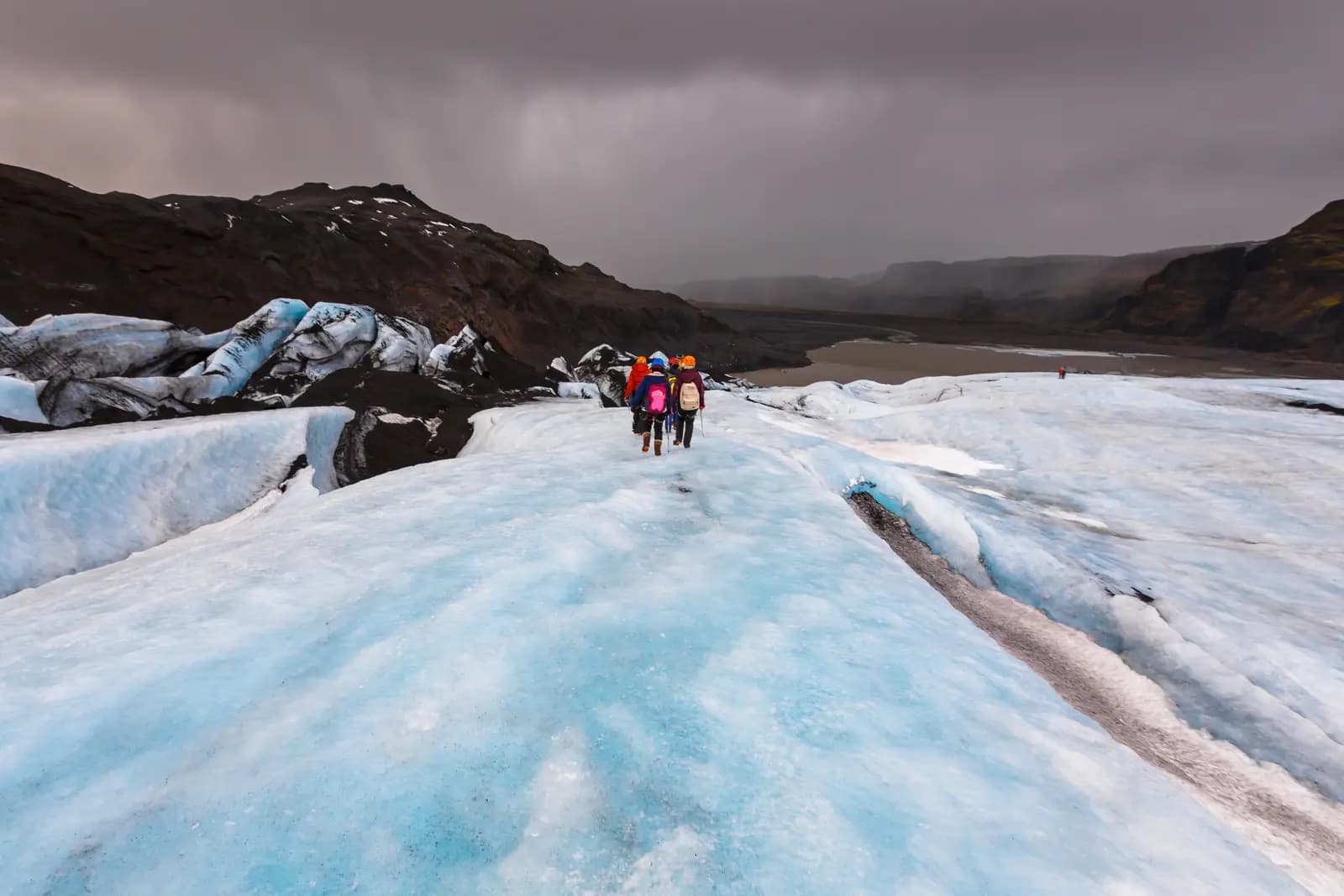 Places to visit
Everything about hiking on Sólheimajökull glacier: where it is, how long the hike takes, age limits, what to wear, the best season and how to combine it with the South Coast.
Read more Places to visit
Dettifoss is often called the most powerful waterfall in Europe, and Selfoss is a short walk upstream. Which side to choose, how long to allow and when the roads are open.
Read more


