


 Manage booking

Whale Watching in Iceland: Reykjavík, Húsavík and the Best Season

Drive Reykjavik team · 5 min read · October 2026
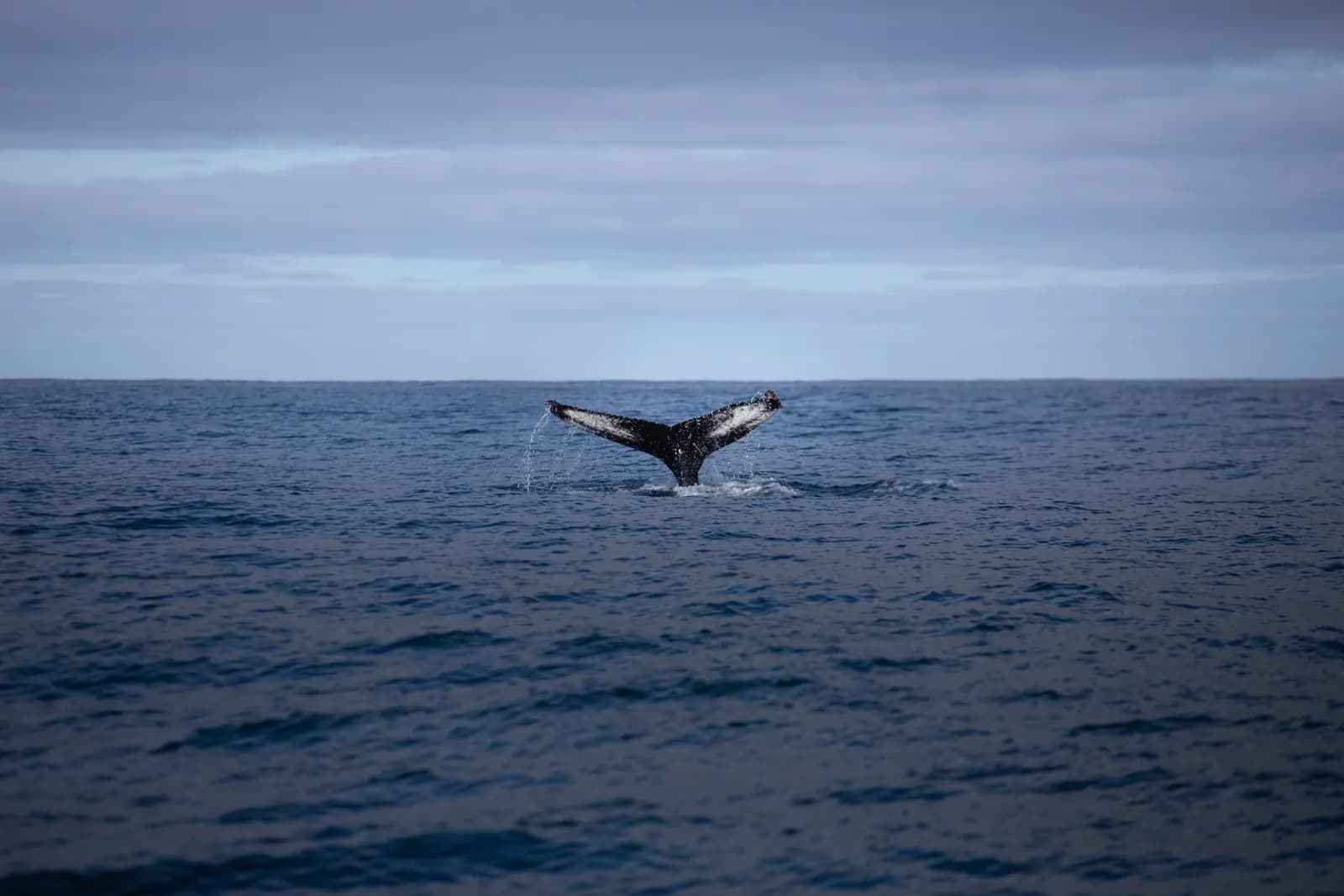
Iceland is one of the best places in Europe to see whales. The cold, nutrient-rich North Atlantic draws whales to feed along the coast, and several towns run daily boat tours. You do not need to travel far: whale watching boats leave from Reykjavík's Old Harbour, a short walk or drive from most hotels.
Whale watching at a glance
- Best season: roughly April to October, with the best chances in summer. Some tours run all year from Reykjavík and Akureyri.
- From Reykjavík: tours from the Old Harbour into Faxaflói Bay, usually about 3 to 3.5 hours.
- Húsavík: often called the whale watching capital of Iceland, in the north, about 6 hours' drive from Reykjavík.
- Akureyri: tours into the long Eyjafjörður fjord, also popular in the north.
- Common species: minke whales, humpback whales, white-beaked dolphins and harbour porpoises. Orcas and blue whales are seen occasionally.
- Sightings are never guaranteed, but many operators offer a free second trip if you see no whales; check the terms when you book.
Whale watching from Reykjavík
The boats leave from the Old Harbour, between the city centre and the Grandi district. Tours head out into Faxaflói Bay, where minke whales, humpbacks and white-beaked dolphins are the most common sightings. The trip takes around 3 to 3.5 hours, and you see the city and Mount Esja from the sea on the way.
- Best for: travellers based in Reykjavík with limited time.
- Getting there: walk from the old town, or take a taxi or our transfer if you stay further out.
- Combine with: a walk around the harbour and Grandi, a seafood lunch, or a private Reykjavík city tour.
Húsavík: the whale watching capital
Húsavík, on Skjálfandi Bay in North Iceland, has a long whale watching tradition, a whale museum and very high summer sighting rates, especially for humpbacks. Some operators use traditional oak boats or faster rib boats.
- Getting there: about 470 km and 6 hours by road from Reykjavík, or a 45-minute domestic flight to Akureyri followed by about an hour's drive.
- Best for: travellers on the Ring Road or exploring the north, including Lake Mývatn and the Diamond Circle.
- Read more: our Akureyri travel guide and Diamond Circle guide.
Akureyri, Snæfellsnes and the Westfjords
Whale watching from Akureyri goes into Eyjafjörður, a long fjord where humpbacks are often seen, sometimes even in winter. On the Snæfellsnes peninsula, orcas have at times been seen in winter, following the herring, but sightings vary a lot from year to year. A few smaller operators also run tours in the Westfjords in summer.
When is the best time?
- June to August: the peak season, with calm seas more often, long daylight and the most tours.
- April, May and September: good chances and fewer people; bring extra layers.
- October to March: fewer tours and rougher seas, but tours still run from Reykjavík and Akureyri on suitable days.
Puffins in summer
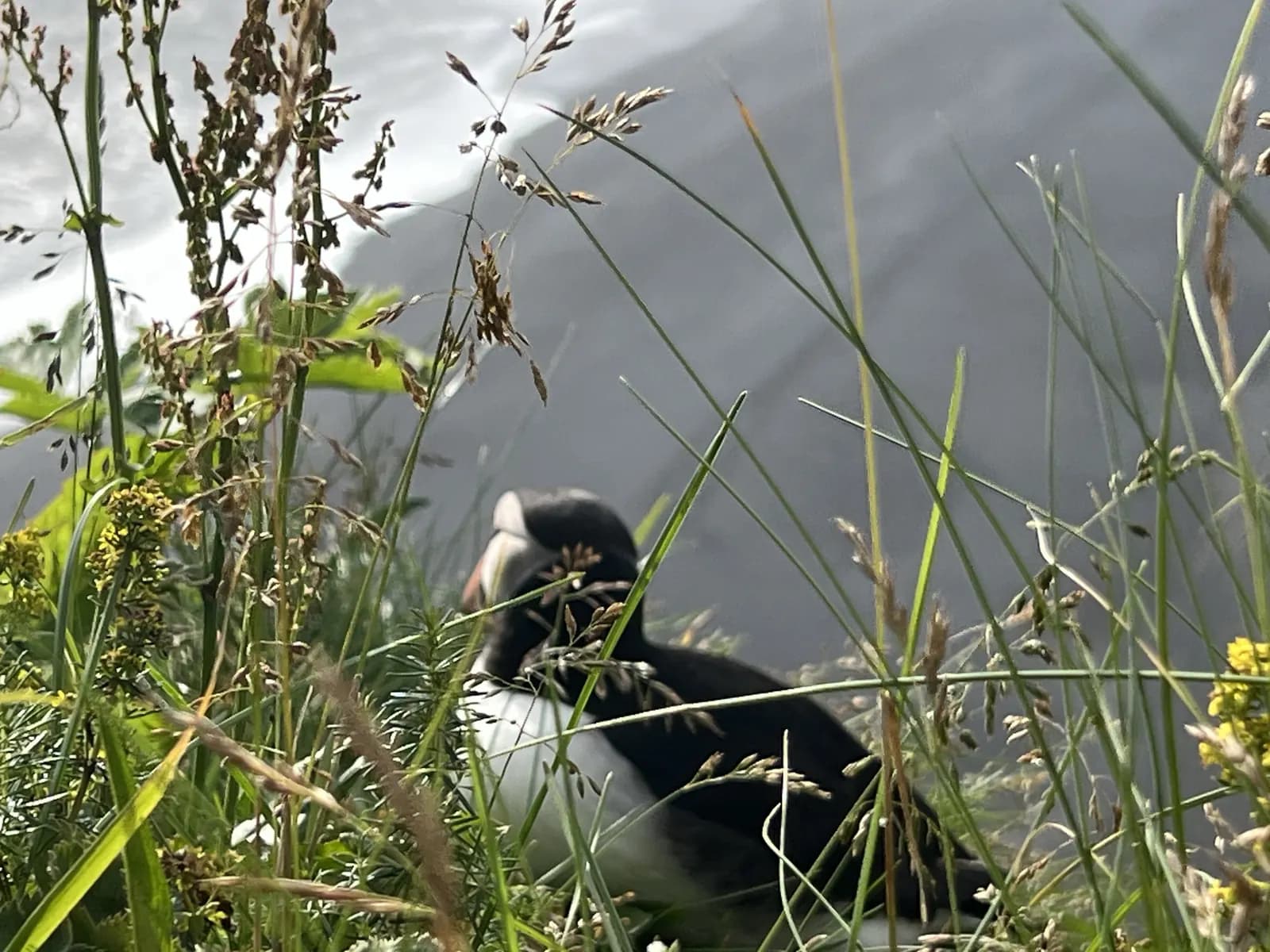
From around May to mid-August, puffins nest on small islands just off Reykjavík, and many whale watching companies offer short puffin tours or combine the two. For more about where and when to see them, read our guide to puffins in Iceland.
What to wear and bring
- Warm layers, a hat and gloves, even in July: it is always colder at sea.
- A windproof and waterproof outer layer. Many operators lend warm overalls on board.
- Seasickness tablets, taken before the tour if you are sensitive.
- Binoculars and a camera with a fast shutter speed.
- Sunglasses: the light on the water can be bright.
Responsible whale watching
Choose an operator that follows the responsible whale watching code used in Iceland: keeping a distance, approaching slowly and limiting time near the animals. Iceland's whale watching operators also support research by recording sightings.
Getting to your whale watching tour
In Reykjavík the boats leave from the Old Harbour, close to most hotels. If you are arriving on the day, staying outside the centre or coming from a cruise ship at Skarfabakki, a private driver gets you there on time. For Húsavík, we drive private transfers from Reykjavík or Akureyri, and can combine the trip with Goðafoss waterfall and Lake Mývatn.
- Fixed price per car, not per person, agreed before you travel
- Economy (Tesla) for 1 to 4 passengers, Van (Mercedes Vito) for 5 to 7, minibus for 8 to 16 on request
- Your driver meets you in the arrivals hall with a name sign and checks your flight before leaving
- 45 minutes of free waiting at the airport
- Pay 20% to book and the rest in the car by card or cash, or pay everything online
- Free cancellation up to 24 hours before pick-up
We have been driving travellers around Iceland for ten years, and we go everywhere in the country, not only to Reykjavík.
FAQ
Summer, roughly June to August, has the best chances and calmest seas. Tours run from about April to October, and some all year from Reykjavík and Akureyri.
Yes. Tours leave from the Old Harbour in the city centre and last about 3 to 3.5 hours.
Húsavík often has higher sighting rates, especially for humpbacks in summer, but it is about 6 hours from Reykjavík. From Reykjavík, the Old Harbour is the easiest option.
Most often minke whales, humpback whales, white-beaked dolphins and harbour porpoises. Orcas, fin whales and blue whales are seen occasionally.
No. Many operators offer a free second trip if no whales are seen; check the terms when you book.
Yes, some tours run in winter from Reykjavík and Akureyri, weather permitting, but the sea is rougher.
Warm layers, a hat, gloves and a waterproof jacket. Many boats provide warm overalls.
Yes. We drive private transfers to Húsavík from Reykjavík or Akureyri, with stops on the way if you like.
Travel tips
More in Places to visit


 Places to visit
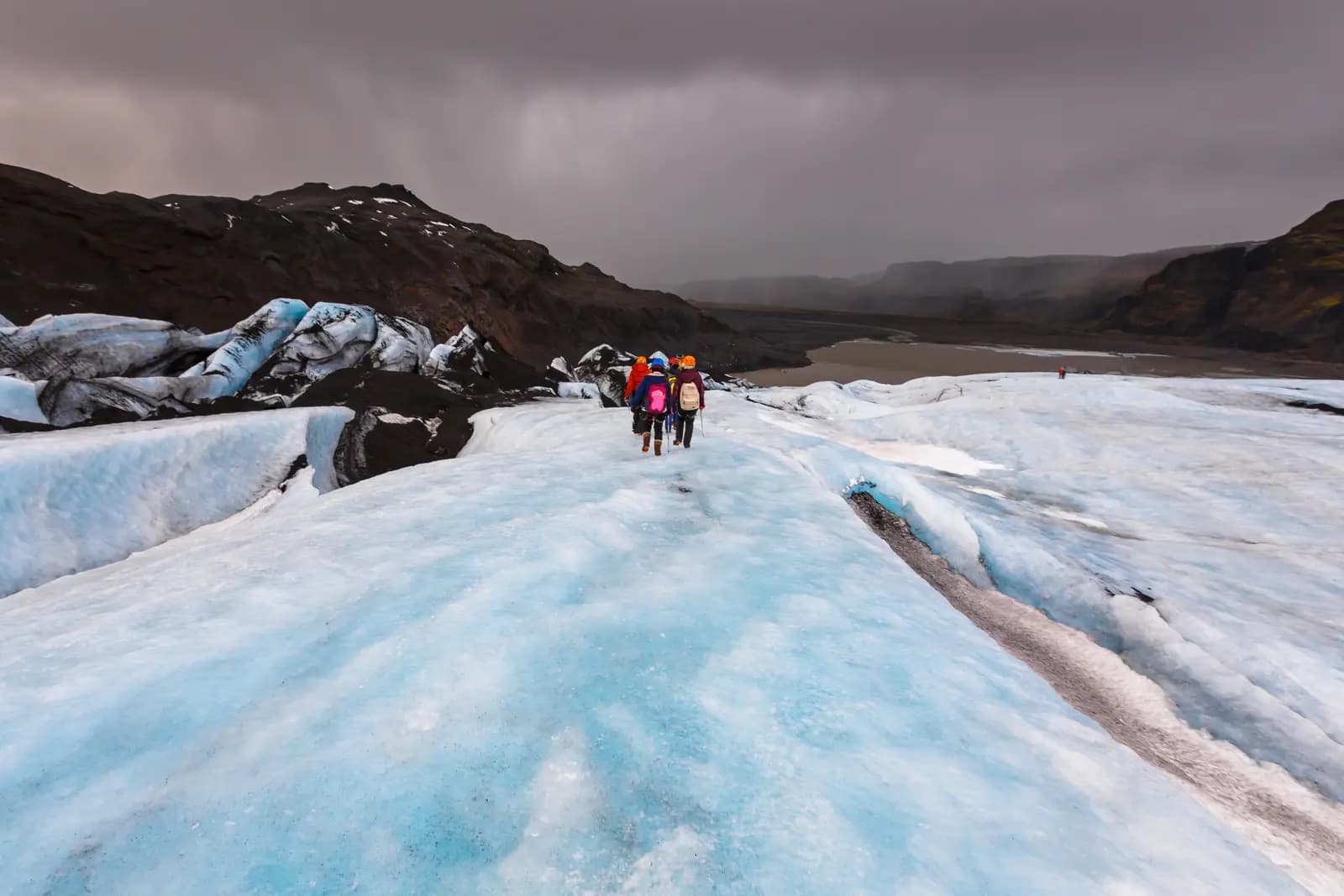
Sólheimajökull Glacier Hike: The Complete Guide from Reykjavík
Everything about hiking on Sólheimajökull glacier: where it is, how long the hike takes, age limits, what to wear, the best season and how to combine it with the South Coast.
Read more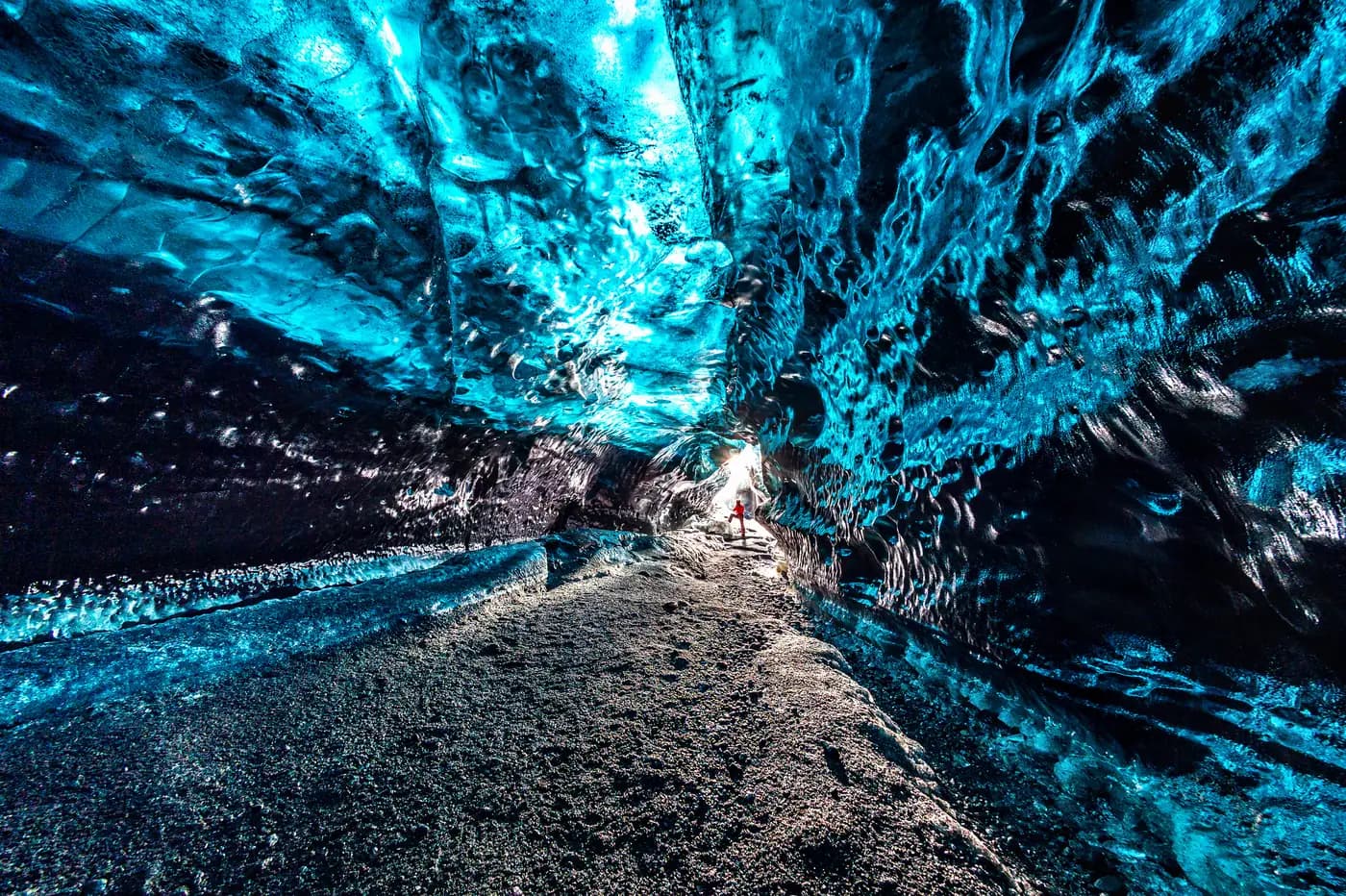 Places to visit
Ice Caves in Iceland: When, Where and How to Visit Safely
Natural blue ice caves in Vatnajökull, the Katla ice cave near Vík and the man-made tunnel in Langjökull: season, locations, prices, what to wear and how to get there from Reykjavík.
Read more Places to visit
Dettifoss and Selfoss: Visiting North Iceland's Mighty Waterfalls
Dettifoss is often called the most powerful waterfall in Europe, and Selfoss is a short walk upstream. Which side to choose, how long to allow and when the roads are open.
Read more


