


 Manage booking
Iceland in Winter: Daylight, Weather, Roads and What to Expect

Drive Reykjavik team · 5 min read · September 2026
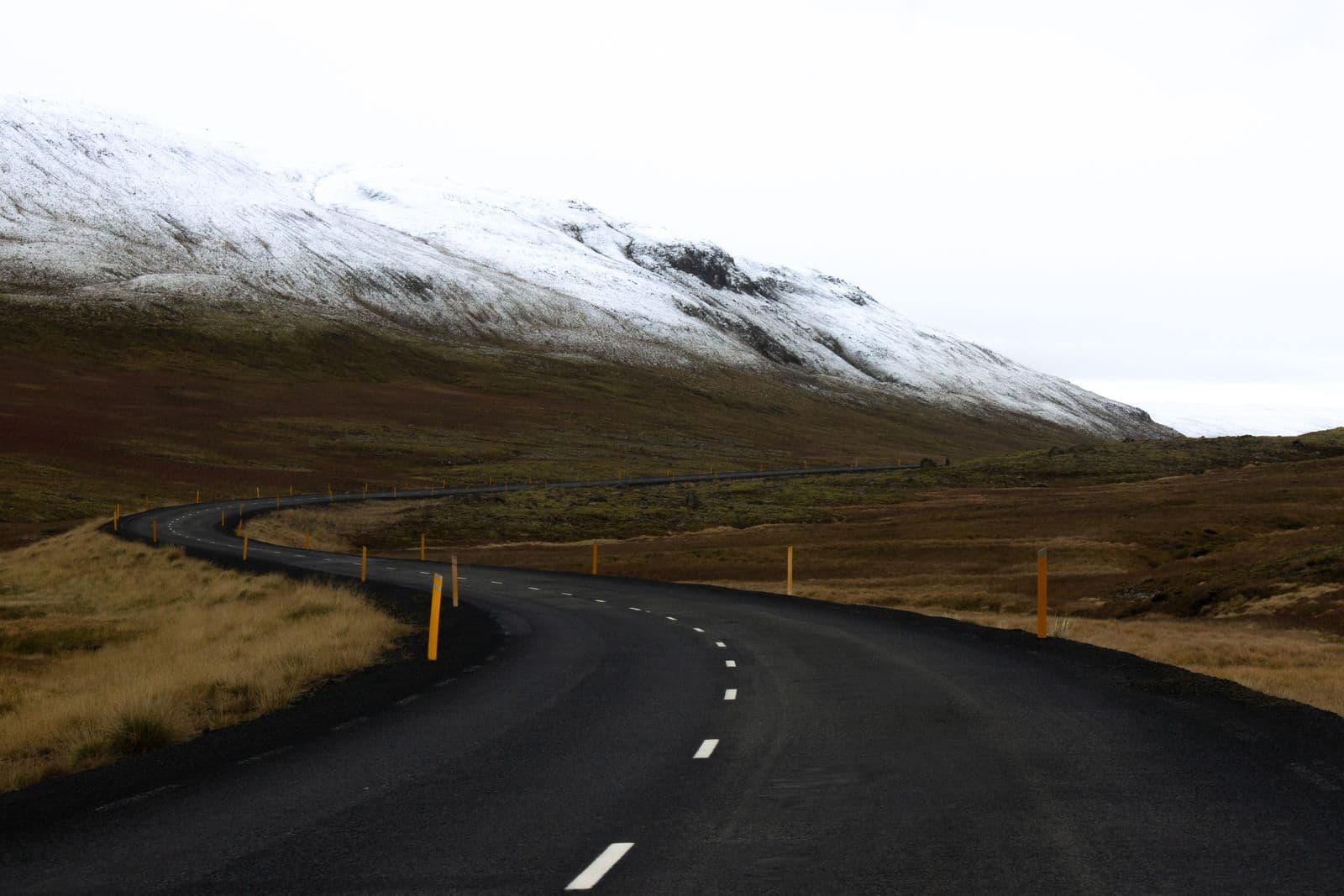
Visiting Iceland in winter means ice caves, snow-dusted waterfalls, the chance of northern lights and far fewer crowds. It also means short days, unpredictable weather and roads that need respect. Neither the good nor the challenging side is exaggerated, so it helps to arrive with the right expectations.
Daylight: plan around the light
Daylight is the biggest factor in winter planning. Around the winter solstice in late December, Reykjavík gets only about four hours of daylight. Days lengthen steadily after that, and by late winter there is much more usable light. The sun stays low, so the light can feel golden for a long stretch of the day, which photographers love.
- Do your outdoor sightseeing in daylight and leave evenings for dinner, pools or aurora watching.
- Start day trips early and keep your itinerary shorter than you would in summer.
- Check sunrise and sunset times for your exact dates before you plan.
Short days do not have to be a drawback. Many visitors find that a slower rhythm suits winter: a late breakfast, a day out while the light lasts, and a long evening in a restaurant or a hot spring. If you plan with the light in mind, you rarely feel rushed.
Weather: expect change
Winter weather in Iceland is changeable. In Reykjavík and along the coast, temperatures often hover around freezing rather than far below, but wind can make it feel much colder. Rain, snow, sleet and sun can all appear in a single day.
- Wind is often a bigger problem than temperature.
- Conditions can change quickly, so check the forecast each morning.
- Storm warnings can disrupt travel; build a spare day into your schedule if you can.
Our guide to what to pack for Iceland lists the layers that work best.
Roads and driving in winter
Main roads such as the Ring Road are kept open as much as possible, but snow, ice, wind and low visibility can still make driving hard. Some roads, including mountain routes in the highlands, close for the winter. Daylight is short, so you may drive in the dark.
- Check road conditions and closures on the official Icelandic road administration site before every drive.
- Check the weather forecast and register your travel plans where recommended.
- Never drive onto closed roads or into conditions you are not comfortable with.
- Allow extra time; the speeds you expect in summer are often unrealistic.
Safety information is published in English by the Icelandic authorities, including road conditions and weather warnings. Make it a habit to check them each morning, in the same way you would check the time of your first activity. If a warning is in force, be willing to change the plan; the sights will still be there tomorrow.
What winter does best
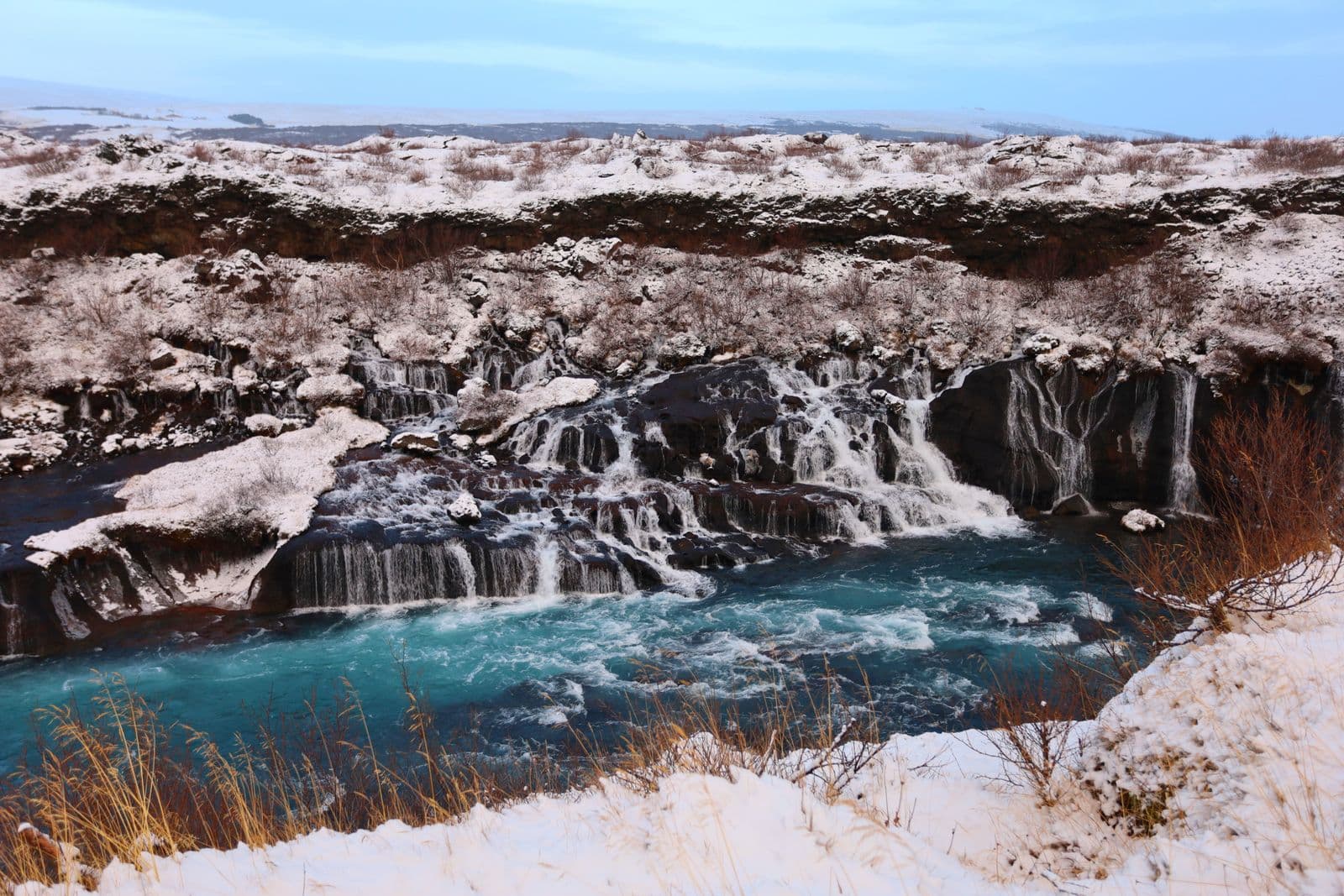
The season has real strengths: snow-covered scenery, frozen waterfalls, and hot geothermal water that feels even better in cold air.
- Northern lights: the dark months give you the chance; see our northern lights guide.
- The Golden Circle: still doable in winter if you start early; read about it in our Golden Circle guide.
- Geothermal pools and spas: soaking in hot water while snow falls is a classic Icelandic experience.
- Quieter sights: popular places are often calmer than in summer.
Winter and your airport transfer
The drive from Keflavík Airport to Reykjavík is about 49 km and 45 minutes in normal conditions, but snow or wind can lengthen it. A pre-booked airport transfer means a driver is waiting in arrivals with your name on a sign, and you get 45 minutes of free waiting if you are delayed. Add your flight number when you book. Pay a 20% deposit online and the rest to the driver by card or cash. Free cancellation is available up to 24 hours before pick-up.
Seasonal ice caves and glacier visits must always be done with qualified guides, because conditions change constantly. Ask any operator what safety equipment they provide and what weather would lead them to cancel.
Winter also changes the rhythm of the city. Reykjavík stays lively, with cafés, museums and pools open through the dark months, so a rainy or stormy day can be spent indoors without feeling wasted. Keep one or two of those indoor ideas in your back pocket.
Planning tips for a winter trip
- Keep at least one flexible day in your itinerary.
- Book accommodation and tours with sensible cancellation terms.
- Start days early and finish sightseeing before dark.
- Keep a phone charger and a small snack in your day bag.
- Dial 112 in an emergency.
FAQ
Around the winter solstice in late December Reykjavík gets only about four hours. Days then lengthen steadily.
Yes, with preparation. Check weather and road conditions daily, stay flexible and respect closures and warnings.
Reykjavík often hovers around freezing, but wind chill can make it feel colder. Layers and a windproof outer shell matter.
They are possible in the dark months, but depend on clear skies and solar activity, so nothing is guaranteed.
Only if you are comfortable with snow, ice and wind. Otherwise a pre-booked transfer or a private tour with a driver is simpler.
Travel tips
More in Seasons & weather


 Seasons & weather
Iceland in Summer: Midnight Sun, Puffins and Long Days Outside
What is Iceland in summer really like? Midnight sun, puffin season, green valleys and long evenings, plus honest advice on weather, crowds and what to book early.
Read more Seasons & weather
Iceland Weather Month by Month: Temperatures, Daylight and Tips
Iceland weather by month: approximate temperatures in Reykjavík, how daylight changes through the year and what to pack and plan for in every season.
Read more Seasons & weather
Iceland in Spring: April and May Travel Guide
Longer days, powerful waterfalls and returning puffins: what to expect from Iceland in April and May, with weather, roads, daylight and packing advice.
Read more