



Northern Lights
Away from the city lights · Sep–Apr

Car
1–4 people
48,000 kr
Van
5–7 people
65,000 kr


Drive Reykjavik team · 4 min read · November 2026
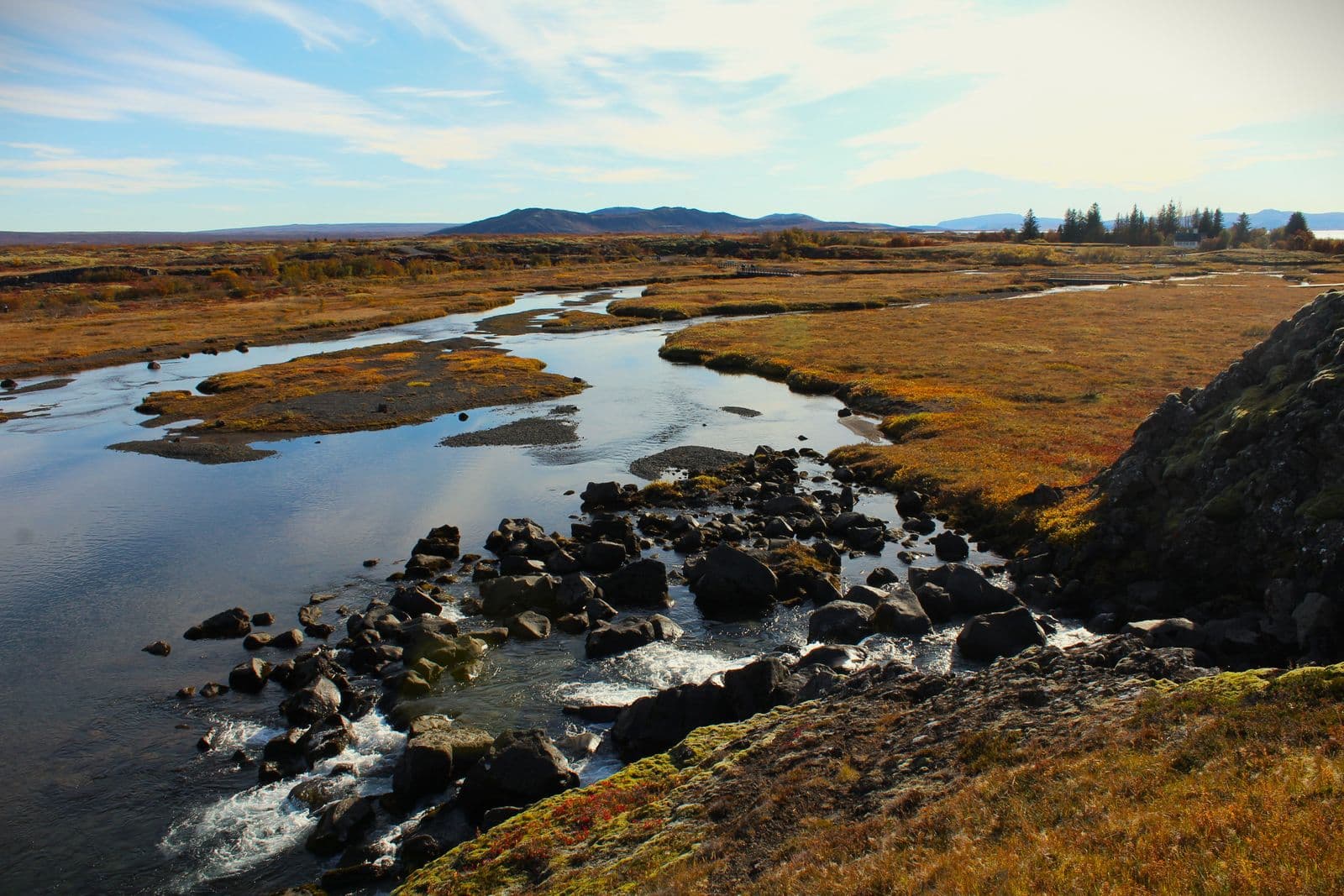
Iceland in September is the compromise that isn't one. You keep nearly everything summer offers — open roads, green-gold landscapes, long days — and get back the two things August can't give: dark skies for the northern lights, and space at the famous sights.
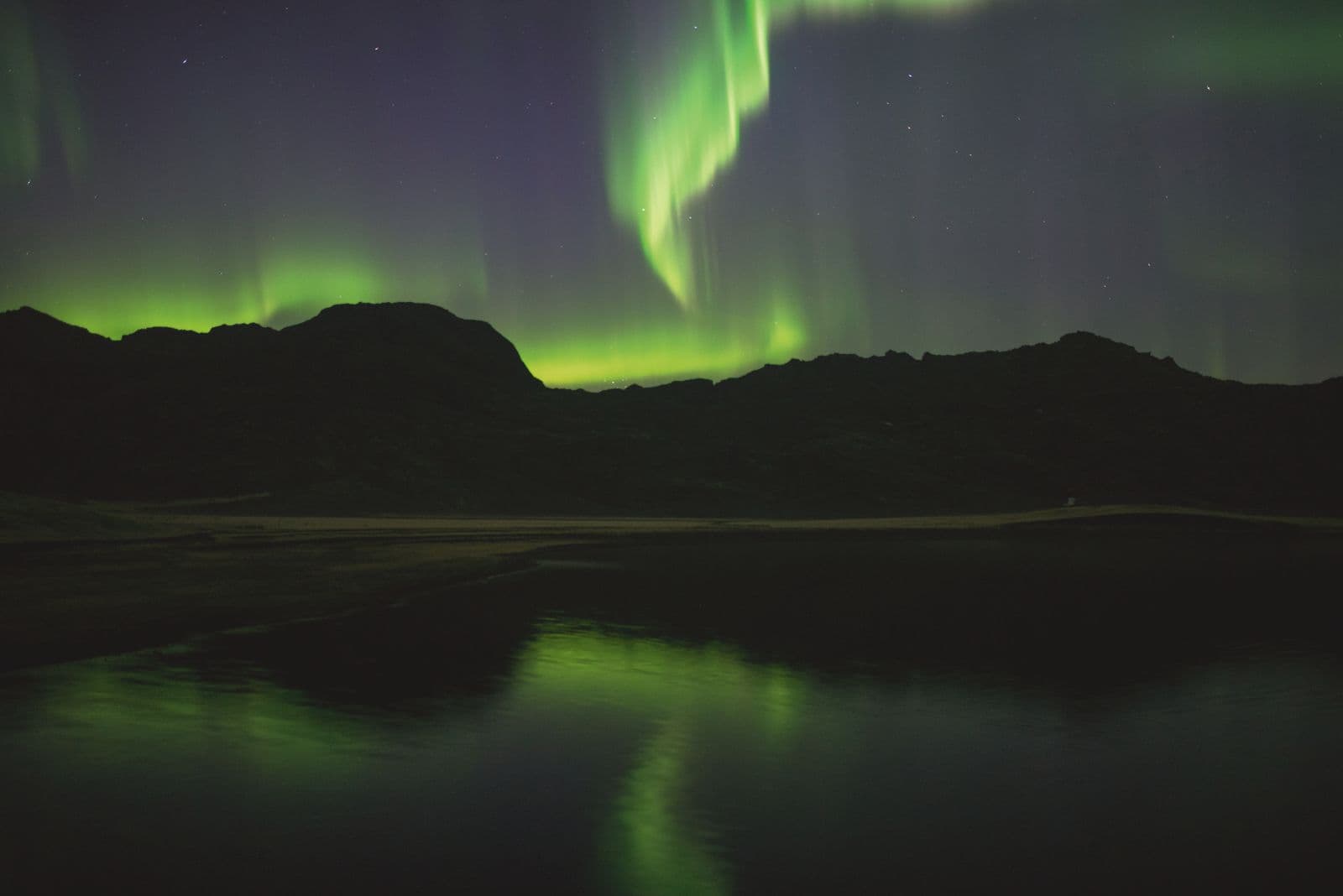
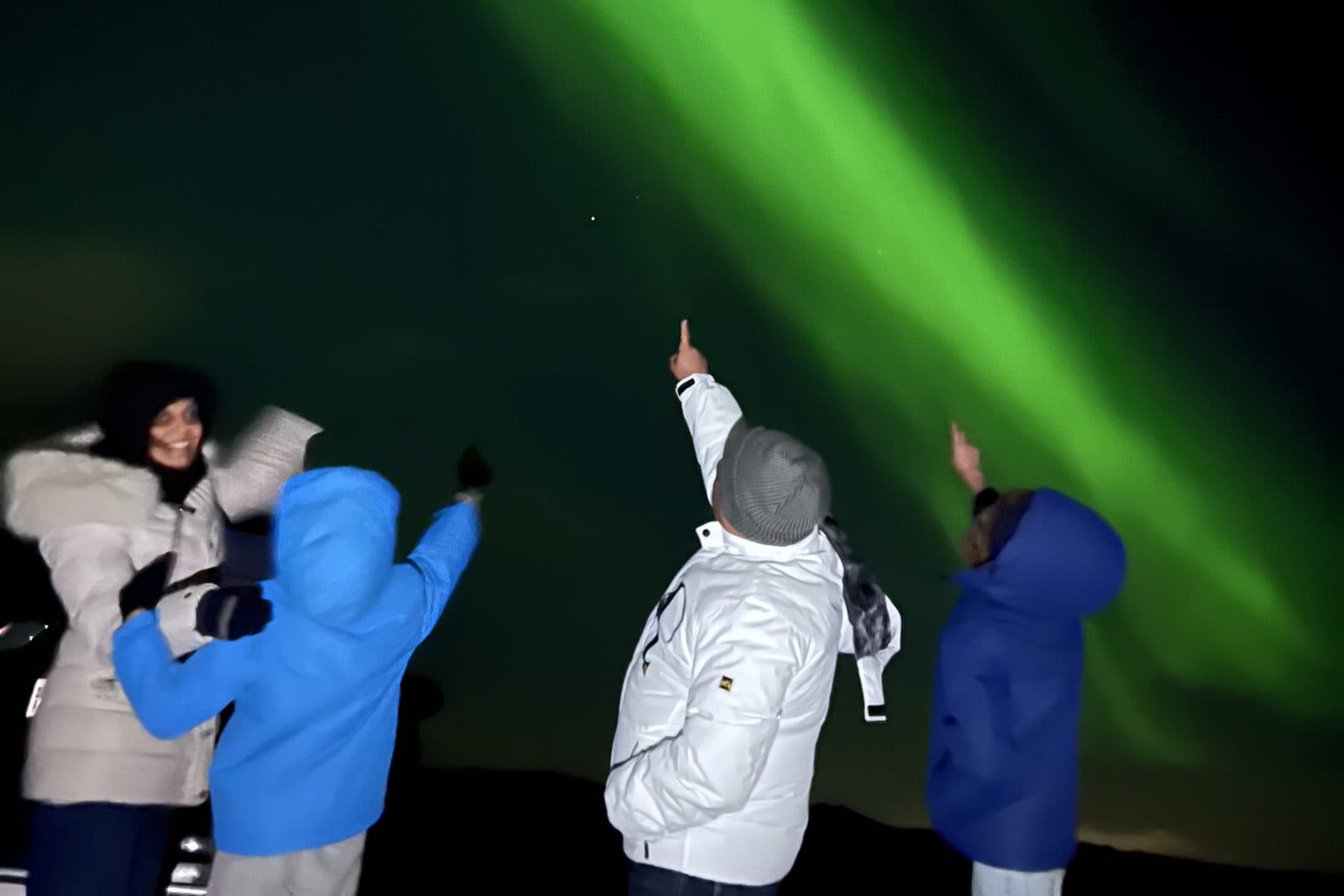
From the first days of September the nights are properly dark, and statistically the weeks around the equinox (late September) are among the most geomagnetically active of the year. A September aurora hunt is also simply more pleasant: you stand outside at 5 °C instead of −5 °C. Our private northern lights tour runs from the start of the month — 48,000 kr per car (1–4) or 65,000 kr per van (5–7), hotel pick-up, and we drive to where the cloud map is clear. Background reading: the best time to see the lights.
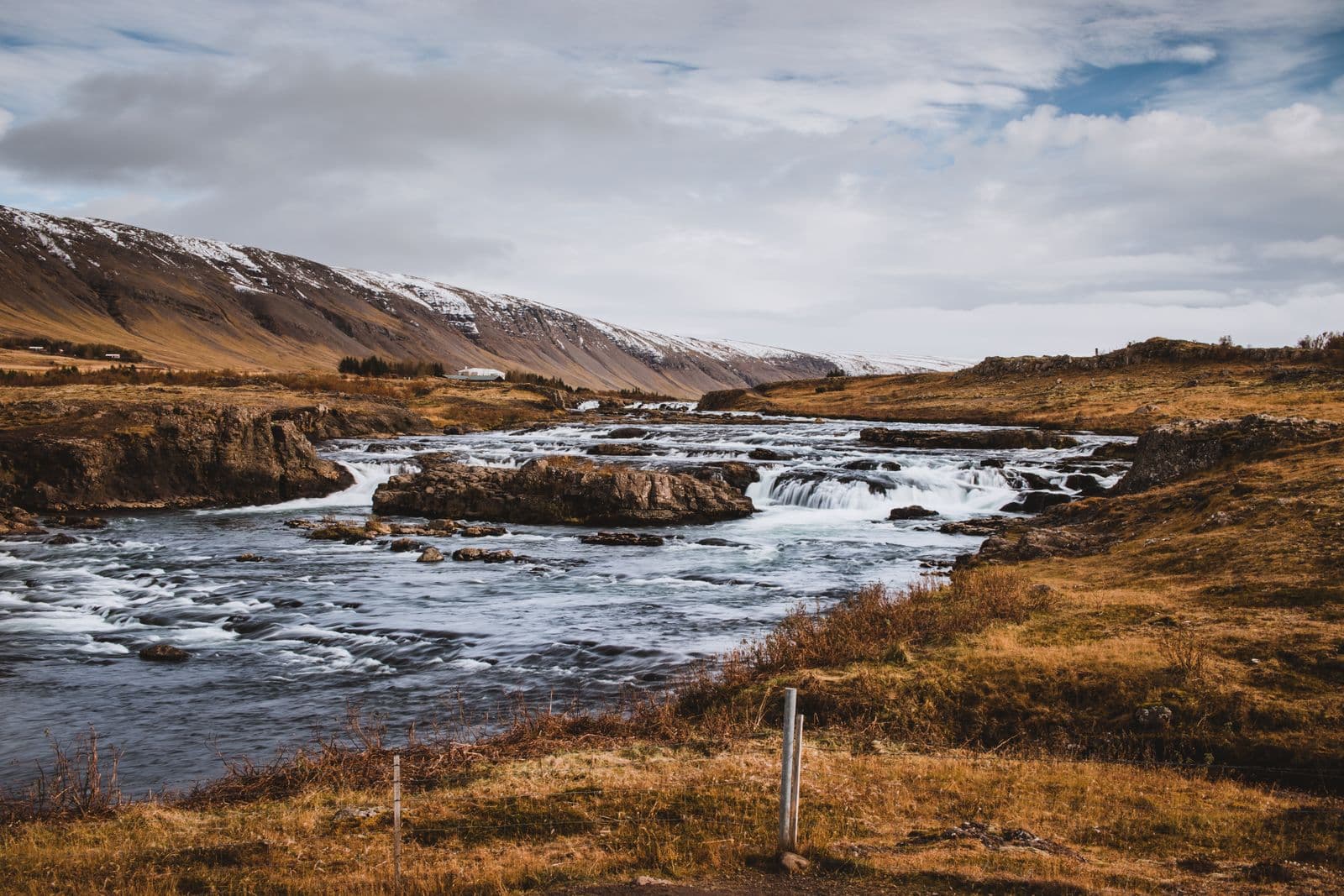
Iceland has no forests to speak of, but its autumn is still spectacular: the birch scrub, blueberry heath and moss turn every shade of gold, orange and red, usually peaking mid-to-late September. It is also réttir season — the traditional round-up when farmers and whole communities ride into the hills to bring the sheep home, sorting them in circular pens with songs and coffee. If you are lucky with timing, your driver can find one; it is as real as Icelandic culture gets.
September is a shoulder month in the honest sense: mostly mild and workable, with the year's first proper autumn storms possible late in the month. The main roads stay easy — no winter driving skills needed yet — but the weather can reshuffle a day, so keep the plan flexible. Your airport transfer is from 20,500 kr per car, with 45 minutes of free waiting if your flight runs late. More on the season in Iceland in autumn.
One of the best: enough daylight for every classic trip, dark skies for the northern lights, autumn colours, thinner crowds and lower hotel prices than August.
Yes — the season opens properly in early September, and the weeks around the equinox are statistically among the most active of the year. Plan two or three evening attempts.
Usually 6–11 °C by day, cooler at night, with the first inland frosts late in the month. Layers and a waterproof shell are enough — no arctic gear needed.
About 13.5 hours at the start of the month, about 11 at the end — sunrise and sunset move fast, roughly 6–7 minutes a day.
Yes — flights and hotels step down noticeably after the August peak, while almost everything stays open. Tours and transfers cost the same year-round.
The traditional September sheep round-up: farmers ride into the highlands to gather the sheep that grazed free all summer and sort them in communal pens. Visitors are usually welcome to watch.
Usually only in the first half of the month — the mountain roads close as the first snow arrives. Ask about conditions before planning a highland day.
Usually until late September, weather permitting. The lagoon and Diamond Beach themselves are open and spectacular year-round.
No — the main roads are still summer roads. Late-month storms can bring wind and rain, so check the forecast, or let a private driver handle it altogether.
Comparing months? See Iceland in August for the summer version, Iceland in December for deep winter, and the month by month guide for the full picture.
Away from the city lights · Sep–Apr
Car
1–4 people
48,000 kr
Van
5–7 people
65,000 kr
Travel tips
 Seasons & weather
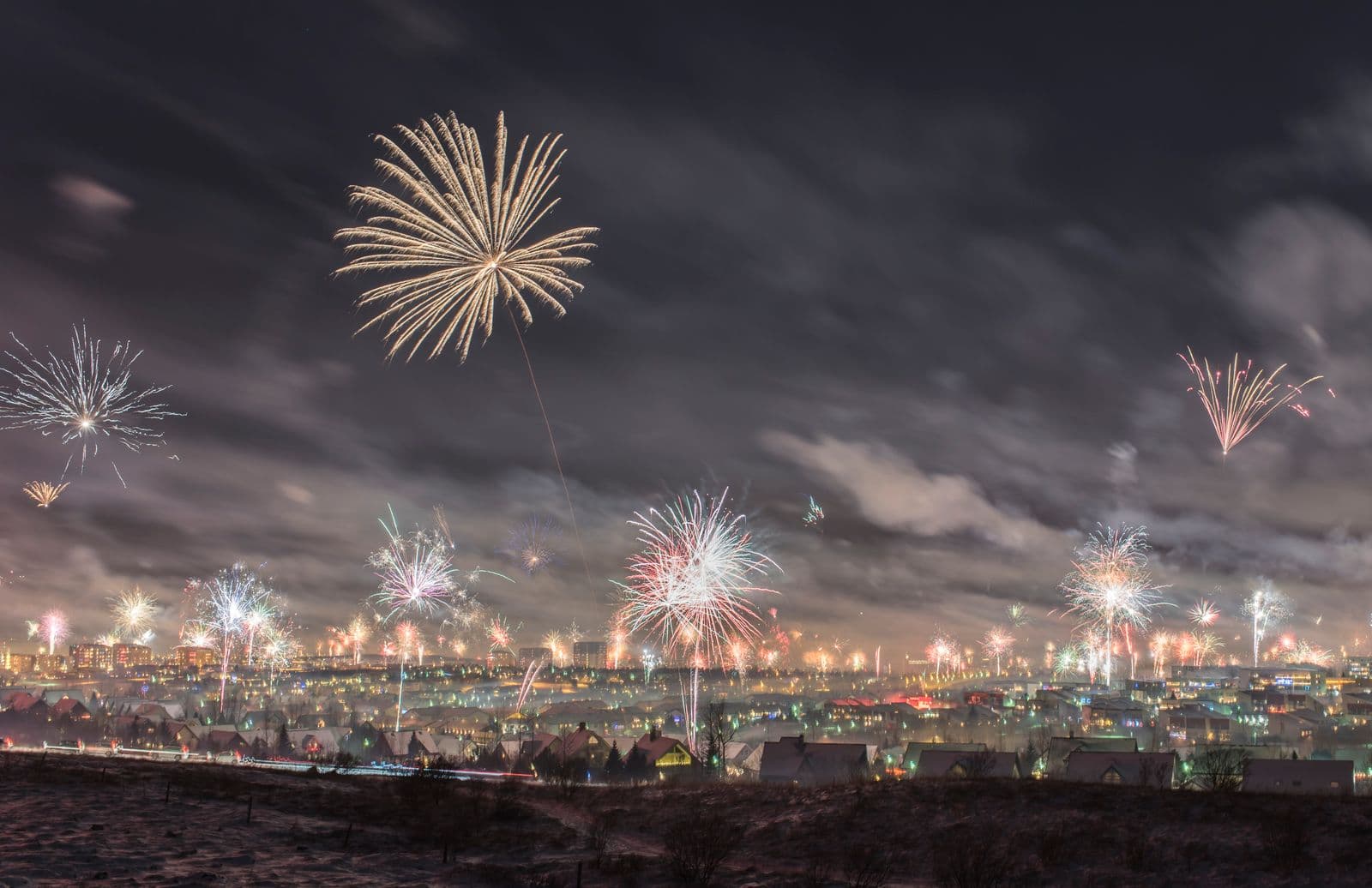
What Iceland is really like in December: 4–5 hours of daylight, northern lights, Christmas lights in Reykjavík, 13 Yule Lads, New Year's Eve fireworks, road conditions and a realistic plan for a short winter trip.
Read more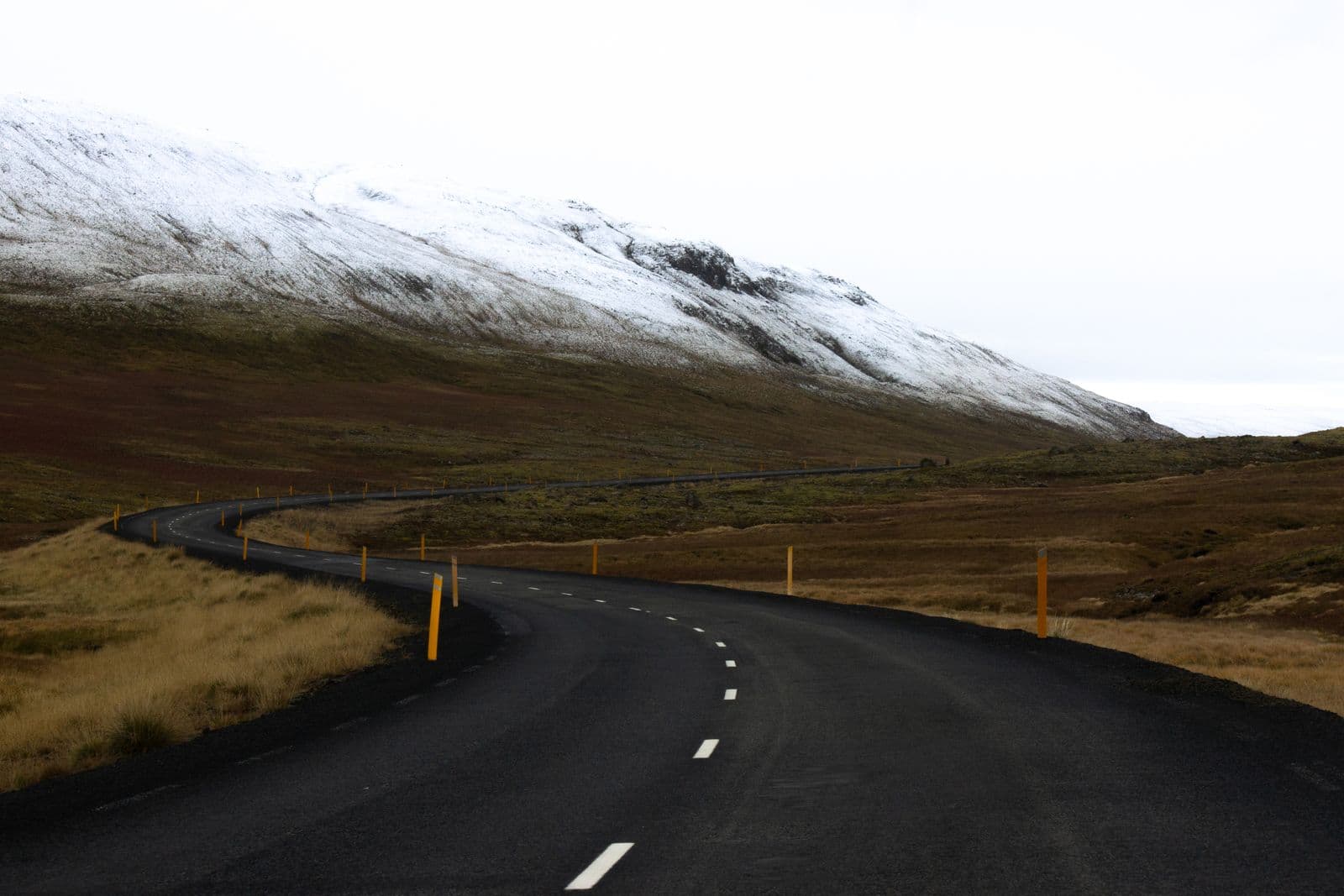 Seasons & weather
What Iceland is really like in January: 4–7 hours of growing daylight, the best ice cave season, long aurora nights, quiet sights, lower prices and how to plan around winter storms.
Read more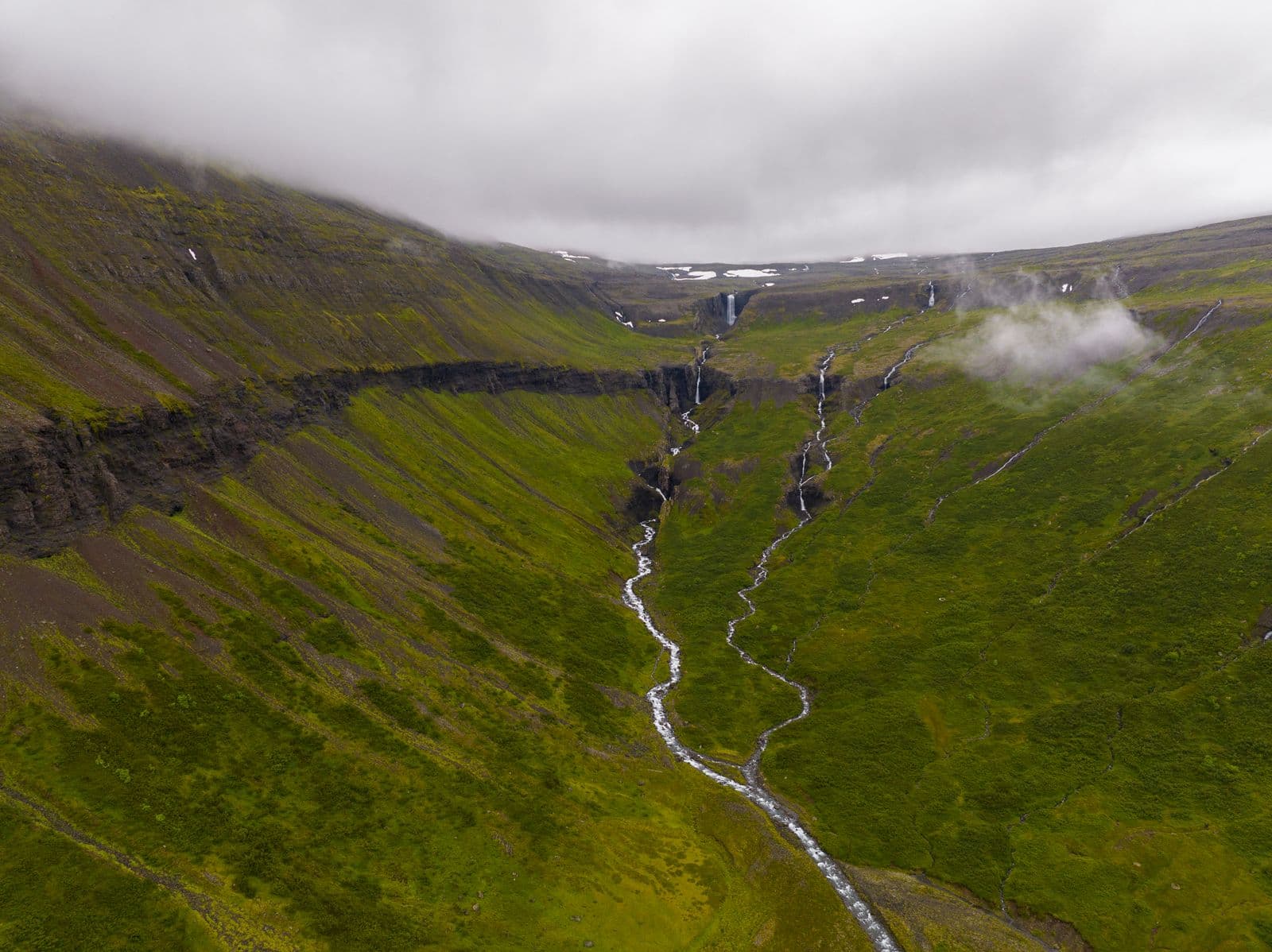 Seasons & weather
What Iceland is like in August: 13–16 hours of daylight, the warmest weather of the year, puffins until mid-month, Reykjavík's Culture Night, open highlands — and the first northern lights at the very end.
Read more


