


 Manage booking
Seeing the Northern Lights in Iceland: When, Where and How

Drive Reykjavik team · 5 min read · September 2026
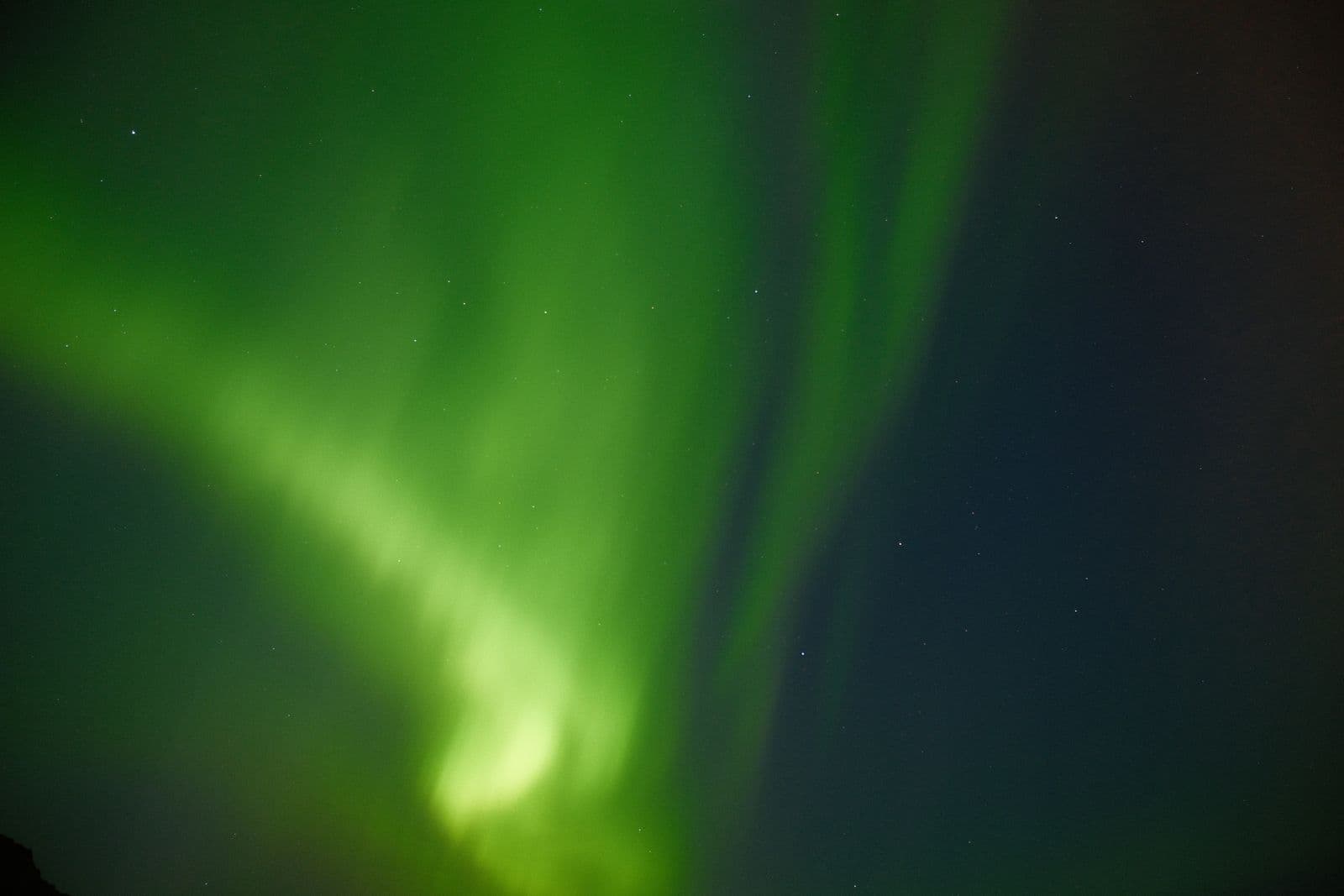
Seeing the northern lights in Iceland is on many travellers' lists, and with good reason. Iceland sits close to the Arctic Circle and has wide open landscapes with very little light pollution outside the towns. But the aurora is a natural phenomenon, and nobody can guarantee it. What you can do is understand what is needed and plan so you give yourself the best chance.
What you need for a sighting
Three ingredients have to line up at the same time:
- Darkness: the aurora is only visible in a properly dark sky.
- Clear skies: clouds block the view completely, even when the aurora is strong.
- Solar activity: the lights are caused by charged particles from the sun hitting our atmosphere; more activity means a stronger display.
Miss any one of the three and you will not see much. That is why flexible plans and several nights in Iceland help.
When is the northern lights season?
In Iceland the season runs roughly from late August or September to April, when nights are long enough to be dark. Midsummer nights never get dark enough because of the midnight sun. Many visitors choose the darkest months, from autumn to early spring, and plan several evenings for a better chance of clear skies. For more about the conditions, see our guide to Iceland in winter.
The aurora usually appears between evening and the small hours, though timing varies from night to night. Let your eyes adjust to the dark for 15 to 20 minutes and avoid looking at your phone screen, which resets your night vision. A faint, pale glow on the horizon can build into moving curtains later.
Where to look
You can occasionally see the aurora from Reykjavík, but city lights dim it. Your chances improve once you move away from artificial light. That can mean a short drive out of town to a dark spot with a wide view of the northern sky.
- Choose a place with an open horizon to the north.
- Get away from street lights, buildings and car headlights.
- Stay near your vehicle and pick a spot with safe parking.
- Be prepared to move if clouds roll in; local forecasts can show gaps.
Reading the forecast
Two forecasts matter: cloud cover and aurora activity. The Icelandic Meteorological Office publishes both an aurora forecast and a cloud cover forecast, and you can check them in the afternoon and again before you head out. Clear gaps in cloud are often as important as the aurora strength itself.
Be wary of anything that promises certainty. Honest operators and guides talk about chances, not guarantees, and are ready to change the plan when the weather changes. That honesty is a good test when you choose who to travel with.
Staying safe at night
Aurora hunting means driving or standing outside in the dark, often in winter. Take it seriously.
- Do not stop on the road itself or on the hard shoulder of busy roads; use a proper pull-off.
- Dress warmly in layers; waiting for the aurora means standing still in the cold.
- Check road conditions before you set out, as roads can ice up.
- If you are not used to winter driving, consider letting a driver take care of the road while you watch the sky.
- Dial 112 in an emergency.
Going with a private driver
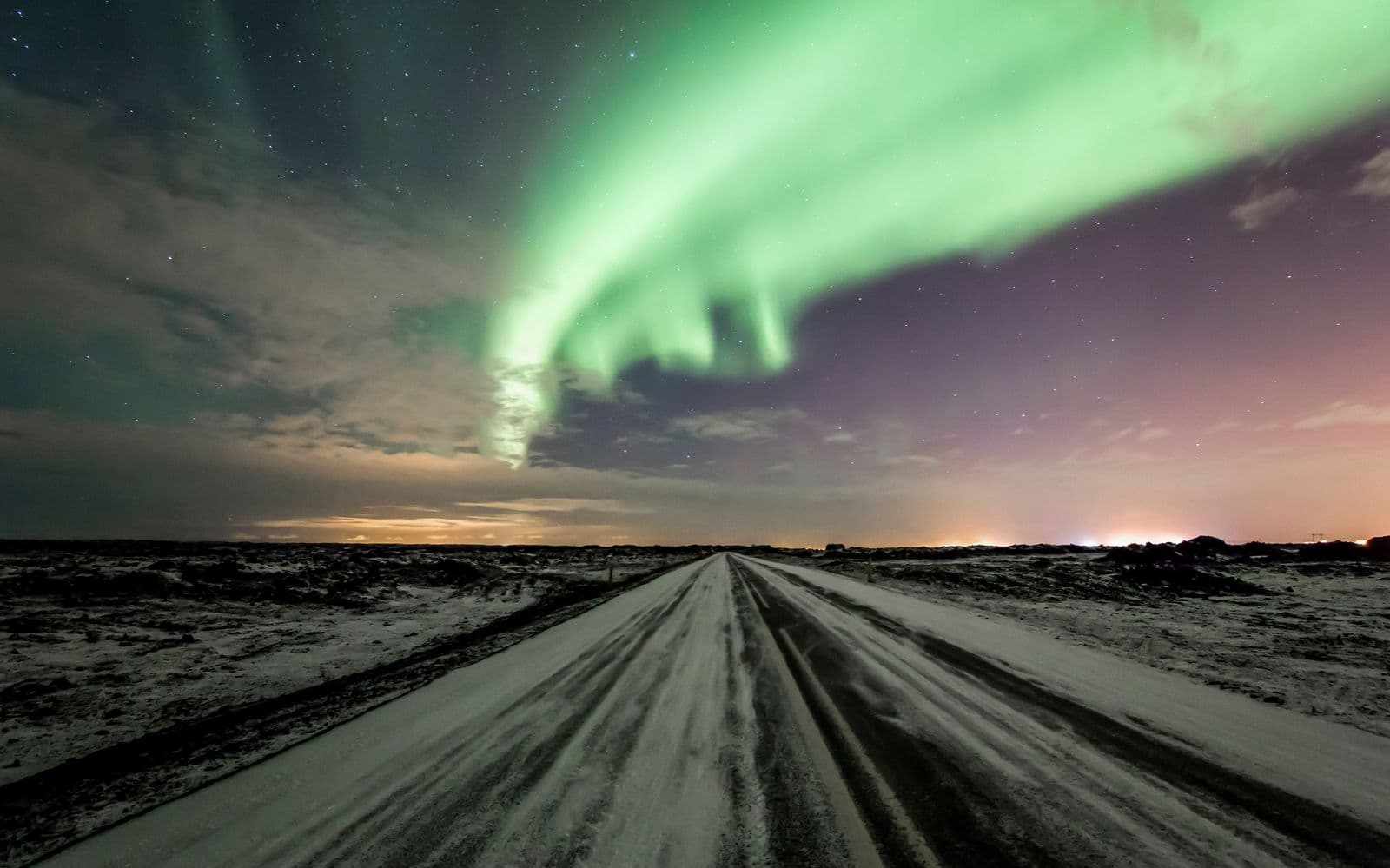
With a private driver you can head out of the city when the forecast looks promising, stay as long as you wish and warm up in the car between viewings. You do not need to drive on dark, icy roads yourself. We cannot promise the aurora, because nobody can, but we can take care of the transport. Message us on WhatsApp at +354 777 3949 to talk about a private tour for your group.
Also read what to pack for Iceland so you are warm enough for a night outside.
A practical way to use your time: spend the day on sightseeing, rest in the late afternoon, check the forecast again after dinner and decide whether to go out. That rhythm keeps you from being too tired to enjoy the moment when the sky finally clears.
If you are travelling with children or older relatives, remember that late nights in the cold can be tiring. Bring blankets, hot drinks and a plan B, such as an early finish if the sky stays cloudy.
A note on photos
To the eye, the aurora can look paler than it does in photographs. A stable support for your phone or camera and a night mode help. Do not stress about getting the perfect shot; take a moment simply to look up.
FAQ
During the dark months, roughly from late August or September to April. The deciding factors are clear skies and solar activity.
Sometimes, but city lights make it harder. Moving away from the city improves your chances.
No. They depend on weather and solar activity, so no one can guarantee a sighting.
More is better. Several nights give you a chance to find a clear sky.
No. A private driver can take you out of town and take care of winter roads, while you focus on the sky.
Travel tips
More in Northern Lights


 Northern Lights
The Best Time to See the Northern Lights in Iceland (Month by Month)
When is the best time to see the northern lights in Iceland? A month-by-month look at the dark season, what affects your chances and why nobody can promise a sighting.
Read more Northern Lights
How to Photograph the Northern Lights (Even with a Phone)
How to photograph the northern lights in Iceland: camera settings, phone night mode, tripods, cold-weather tips and where to stand, with realistic expectations.
Read more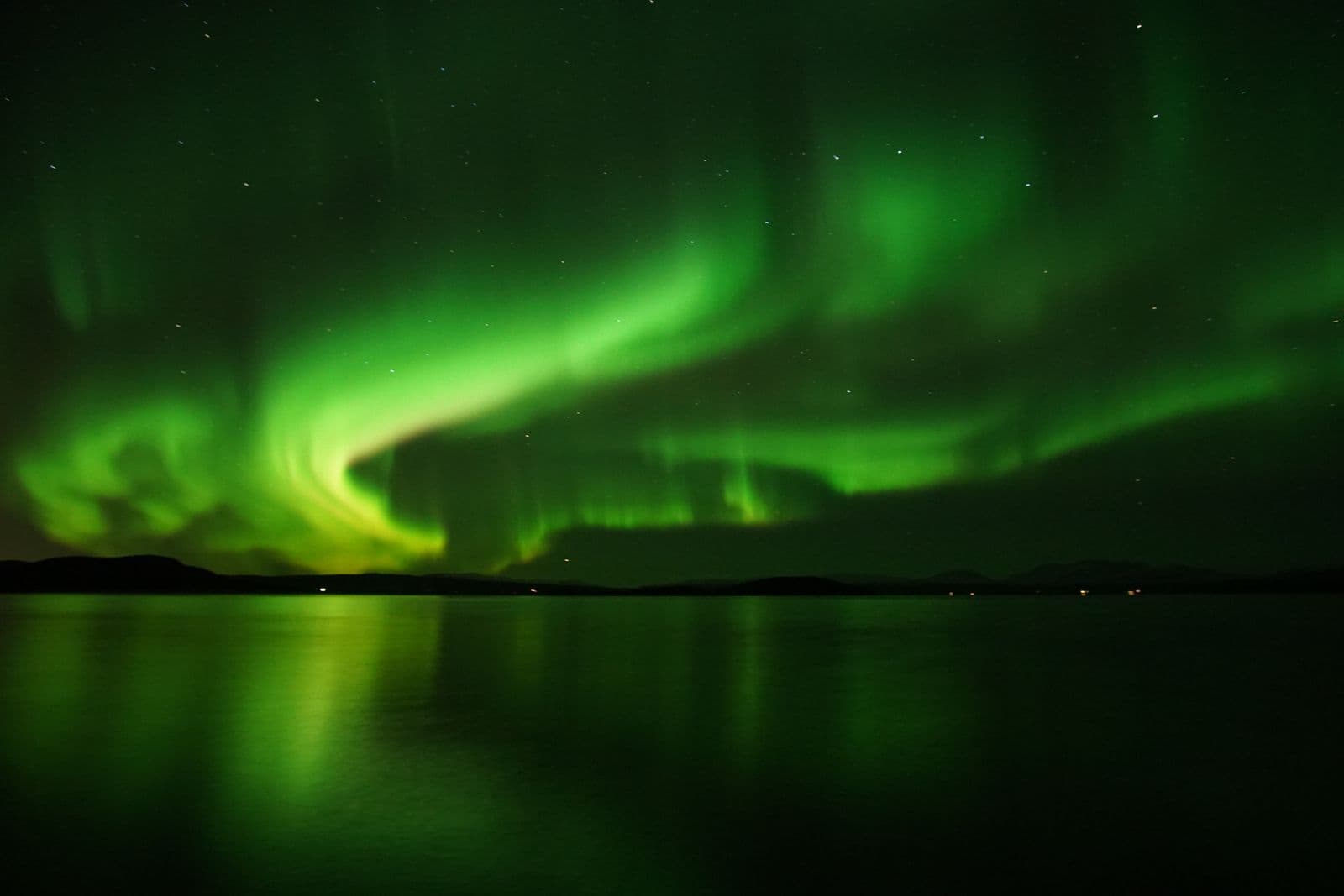 Northern Lights
How to Read the Northern Lights Forecast in Iceland
Aurora activity, cloud cover and darkness all matter. Learn how to read the northern lights forecast in Iceland, what the numbers mean and how to plan around them.
Read more