


 Manage booking
Hverir at Námafjall: Mud Pools and Steam Vents near Mývatn

Drive Reykjavik team · 7 min read · October 2026
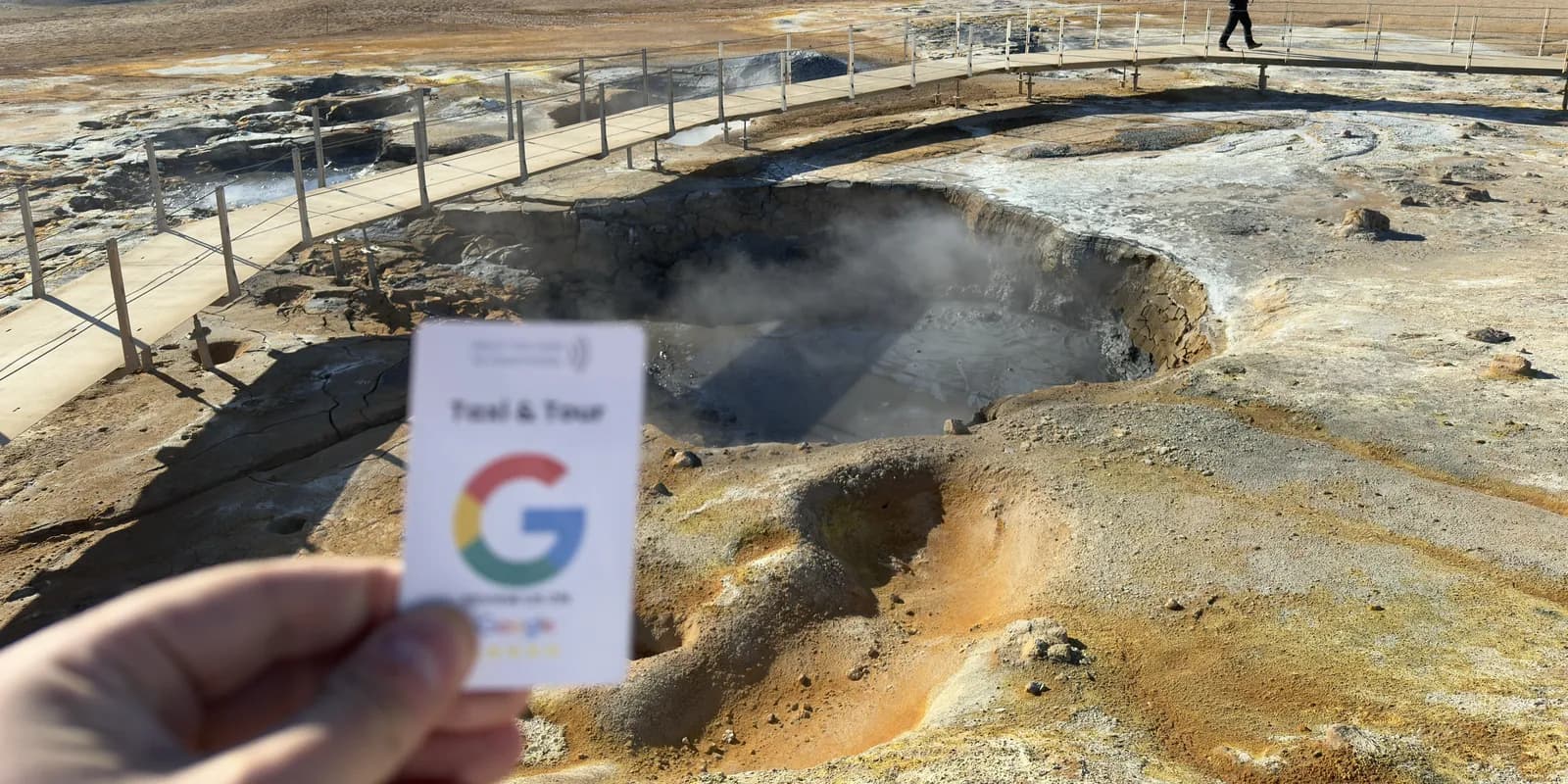
Hverir lies at the foot of the mountain Námafjall, a few minutes east of Lake Mývatn and right beside the Ring Road. Nothing grows here. The ground is orange, yellow and white, grey mud boils in open pools, and steam vents hiss loudly enough that you raise your voice to talk.
The heat comes from the Krafla volcanic system below. The strong smell is hydrogen sulphide, the same gas that gives rotten eggs their smell. Most visitors get used to it within a few minutes.
Hverir at a glance
- Where: at the foot of Námafjall, beside the Ring Road about 6 km east of Reykjahlíð, Lake Mývatn.
- Also called: Námaskarð, after the pass, or Hverarönd.
- What it is: mud pools and steam vents of the Krafla volcanic system.
- Time needed: 30 to 45 minutes, plus about an hour for the walk up Námafjall.
- Open: all year, at any hour.
- Cost: no entrance fee; a parking fee may apply.
- Good to know: strong sulphur smell, no shade or shelter, sticky clay.
What you see at Hverir
- Mud pools: pits of thick grey mud that bubble and spit as gas rises through them.
- Steam vents (fumaroles): cones of rock and clay with steam rushing out under pressure.
- Coloured ground: sulphur and other minerals stain the clay yellow, orange, red and white.
- Námafjall: the bare mountain behind the field, with a path to a viewpoint over the area and Lake Mývatn.
How mud pools and steam vents form
Rain and meltwater seep deep into the ground, where hot rock heats them far above boiling point. Steam and volcanic gases rise back to the surface through cracks. Where they escape dry, they form steam vents. Where there is a little water at the surface, the acidic gases break the rock down into clay and the result is a pool of boiling mud.
The same gases explain the lack of plants. The soil here is hot, acidic and constantly changing, so almost nothing can take root.
Staying safe
The marked paths, ropes and wooden walkways are there for a reason. The crust beside them can be thin, with boiling mud or steam just underneath, and people have been badly burned by stepping over the ropes for a photo.
The walk up Námafjall
A marked path climbs the ridge behind the mud pools and loops back down to the car park. It takes about an hour. From the top you look down on the steaming field on one side and across to Lake Mývatn and the Hverfjall crater on the other.
The path is steep in places and the clay is slippery when wet, so it is best in dry weather with proper walking shoes. It is not a walk for icy days.
A mountain of sulphur
Námafjall means “mine mountain”. Sulphur was dug here for centuries and exported to make gunpowder, which made the area valuable long before anyone came to photograph it. The yellow crusts around the vents are the same mineral.
Getting there
Hverir is about six kilometres east of the village of Reykjahlíð on the Ring Road, just over the Námaskarð pass, and roughly an hour and a quarter from Akureyri. The car park is beside the road, and a parking fee may apply. From Reykjavík it is a very long drive, so most people visit as part of a trip around the north.
It fits naturally into a day around the lake. See our Lake Mývatn guide for the other stops, and our guide to Dettifoss and Selfoss, which are about an hour further east.
How long to spend and when to go
Thirty to forty-five minutes is enough to walk the paths around the mud pools and vents. Add about an hour if you want to walk up Námafjall for the view. The area is open all year and is striking in snow, when the warm ground stays bare. Early morning and evening are quieter, and low sun brings out the colours.
On windy days the steam and smell blow across the paths, so a scarf or buff over your nose can help. In winter the car park and paths can be icy.
What to wear and bring
- Shoes you do not mind getting dirty. The clay is sticky and can stain.
- A windproof jacket. There is no shelter on the field.
- Sunglasses on bright days. The pale ground reflects a lot of light.
- A scarf or buff if strong smells bother you.
- A bag for muddy shoes before you get back into the car.
Photography tips
- Low sun in the morning or evening brings out the orange and yellow of the ground.
- Shoot towards the light to make the steam glow.
- Put a person on the path in the frame to show the scale of the vents.
- Wipe your lens after standing in the steam, and keep the camera away from it where you can.
A day around Lake Mývatn
- Goðafoss, on the Ring Road on the way from Akureyri.
- Skútustaðagígar, the pseudocraters on the south shore of the lake.
- Dimmuborgir, for a walk among lava formations.
- Hverfjall, the large crater, if you want a climb.
- Hverir, in the late afternoon when the light is low.
- The Mývatn Nature Baths, to end the day.
Nearby
The Krafla area, with the Víti crater and the Leirhnjúkur lava field, is a short drive north. The Mývatn Nature Baths are a few minutes west, a good way to end the day. Check opening hours and prices with the baths before you go.
Getting there with a private driver
We have been driving travellers around Iceland for ten years, and we go everywhere in the country, not only where our price list ends. For a route in the north, for example from Akureyri to Mývatn and Hverir, message us on WhatsApp at +354 777 3949 with your dates and group size and we reply with a fixed price per car. See our private transfers.
- Fixed price per car, not per person
- Economy (Tesla) for 1 to 4 passengers, Van (Mercedes Vito) for 5 to 7, minibus for 8 to 16 on request
- 20% deposit online, the rest to the driver by card or cash
- Free cancellation up to 24 hours before pick-up
FAQ
At the foot of Námafjall, beside the Ring Road about six kilometres east of Reykjahlíð at Lake Mývatn in North Iceland.
The steam carries hydrogen sulphide, a gas with a rotten-egg smell. It is strong but most people get used to it quickly.
About 30 to 45 minutes for the marked paths, and around an hour more if you walk up Námafjall.
Yes, if they stay on the marked paths and walkways and you keep them close. The ground beside the paths can be dangerously hot.
Yes, it is beside the Ring Road and open all year. Paths and the car park can be icy, and the road over the pass can be affected by weather.
They are used for the same place. Námaskarð is the mountain pass on the Ring Road, Námafjall is the mountain, and Hverir or Hverarönd is the geothermal field at its foot.
There is no entrance fee. A parking fee may apply at the car park, so check the signs when you arrive.
The mud is at or close to boiling point, and the steam from the vents is hotter. Never touch the mud, the water or the vents.
Yes. A marked path loops over the ridge in about an hour. It is steep and slippery when wet, so choose dry weather and wear walking shoes.
Travel tips
More in Places to visit


 Places to visit
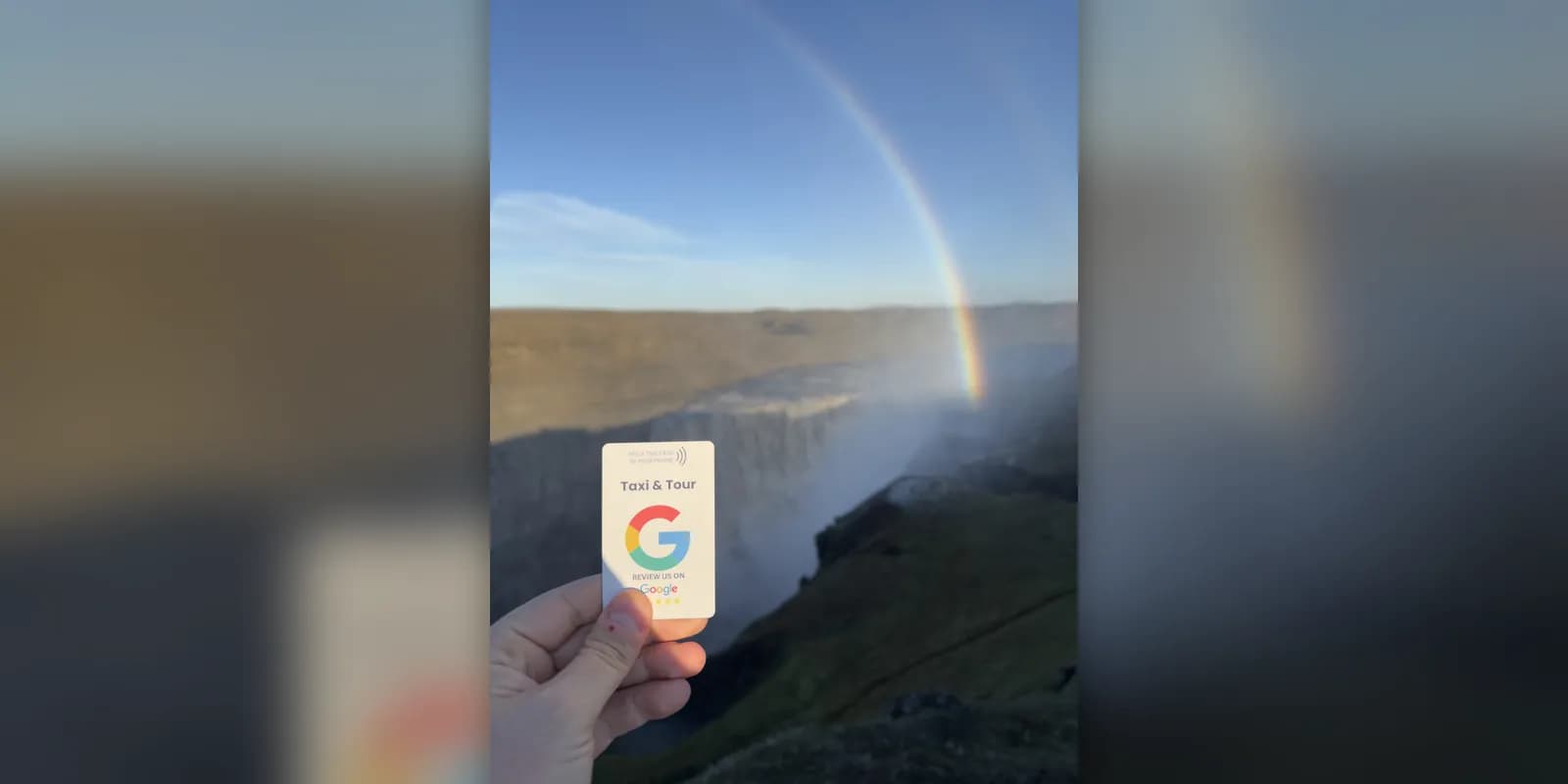
Dettifoss and Selfoss: Visiting North Iceland's Mighty Waterfalls
Dettifoss is often called the most powerful waterfall in Europe, and Selfoss is a short walk upstream. Which side to choose, how long to allow and when the roads are open.
Read more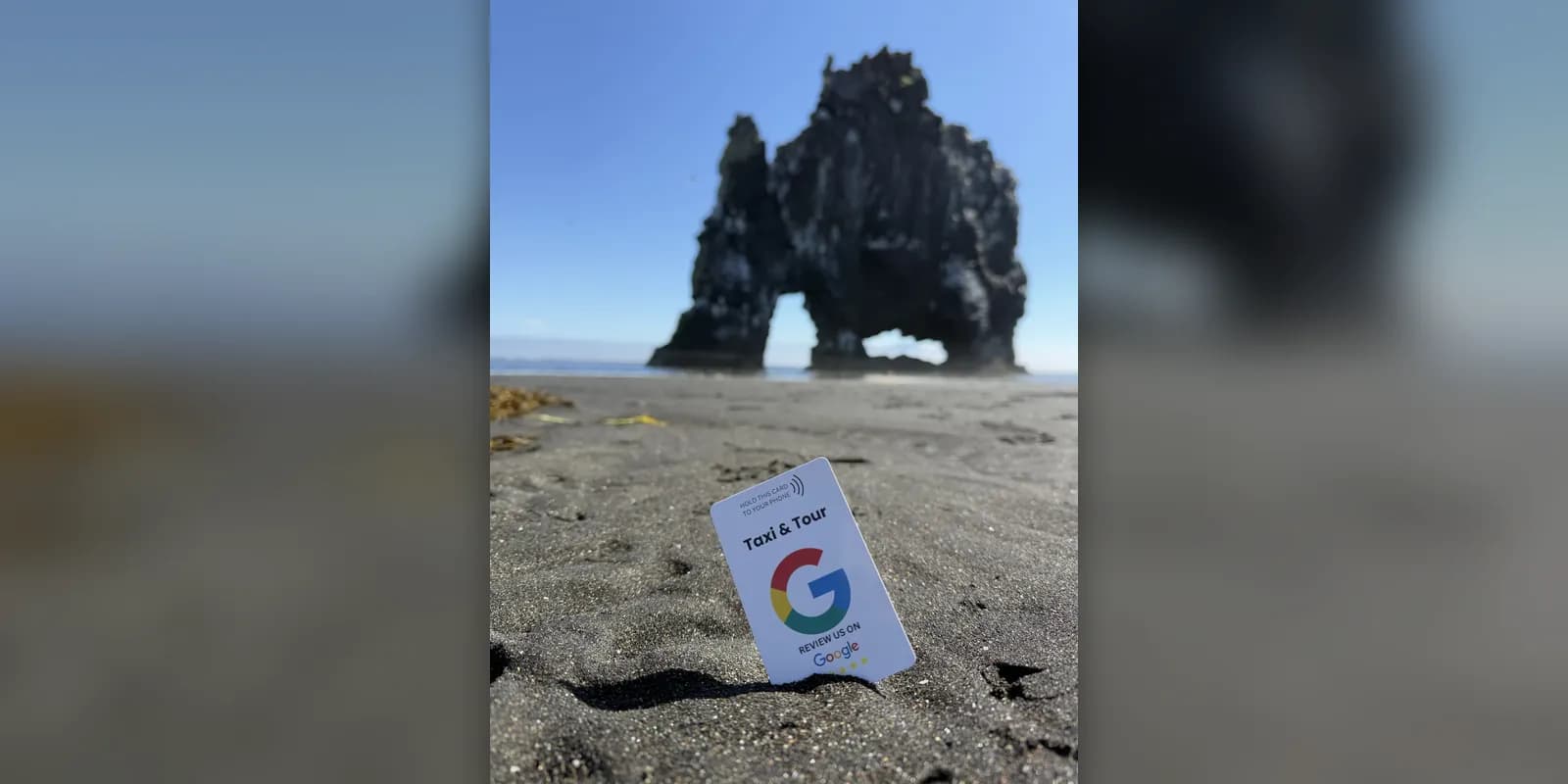 Places to visit
Hvítserkur: The Troll Rock of North-West Iceland
Hvítserkur is a 15-metre basalt sea stack on the Vatnsnes peninsula that looks like an animal drinking from the sea. How to get there, when to go and what else to see nearby.
Read more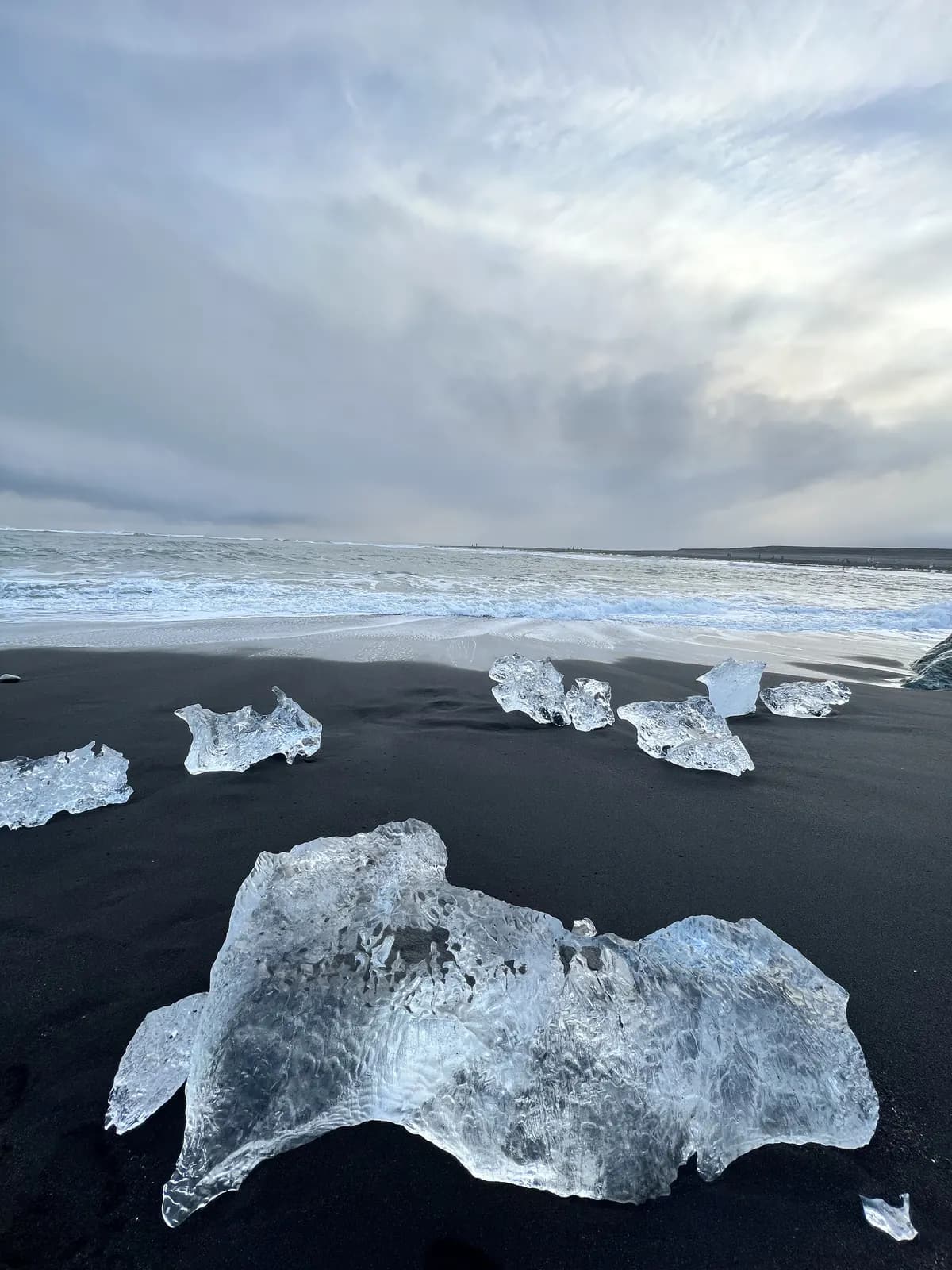 Places to visit
Diamond Beach: Ice on Black Sand at Jökulsárlón
At Diamond Beach, pieces of glacier ice wash up on black sand just across the road from Jökulsárlón. Where the ice comes from, the best light and how to visit safely.
Read more


