


 Manage booking
Hvítserkur: The Troll Rock of North-West Iceland

Drive Reykjavik team · 6 min read · October 2026
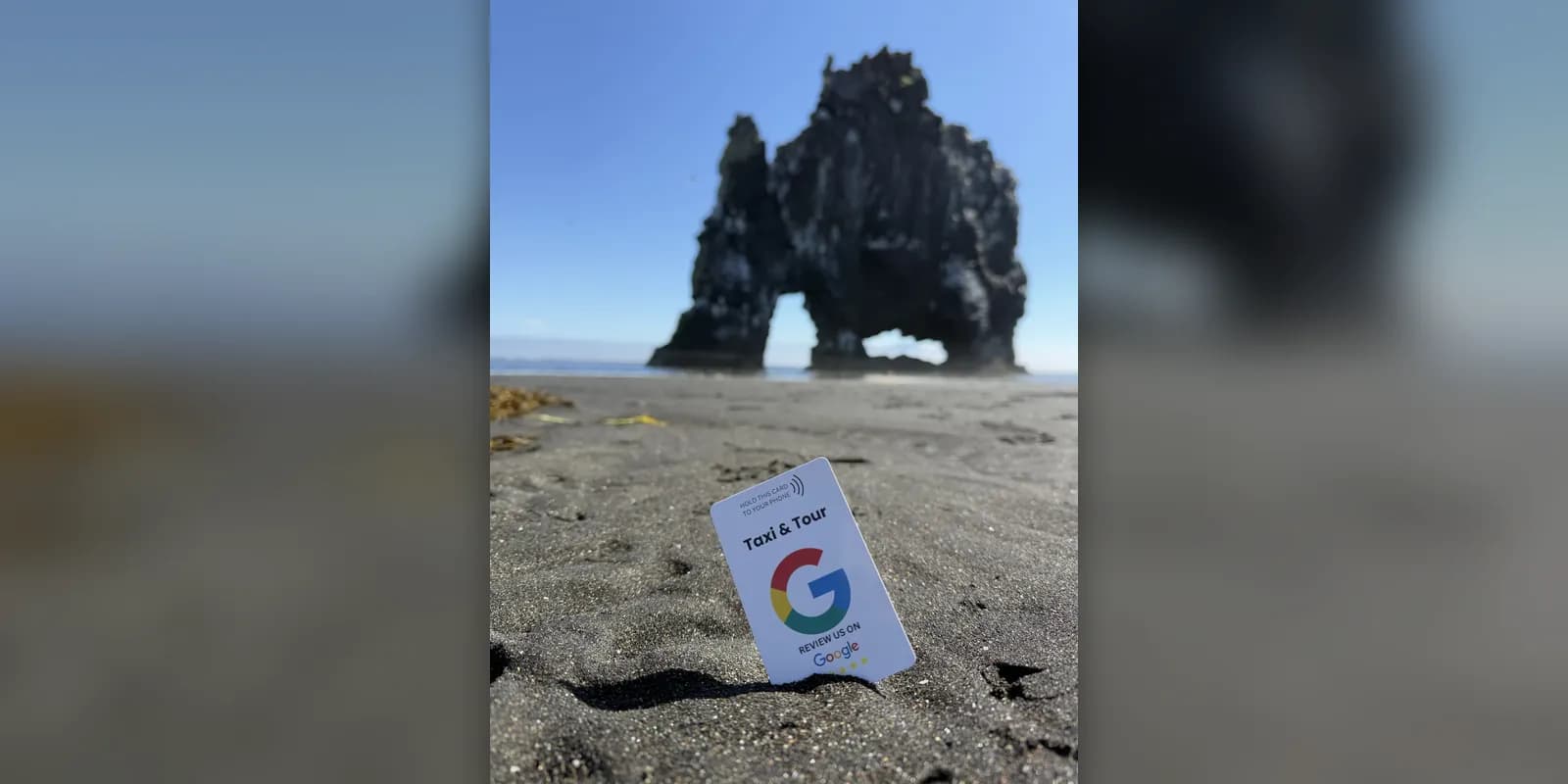
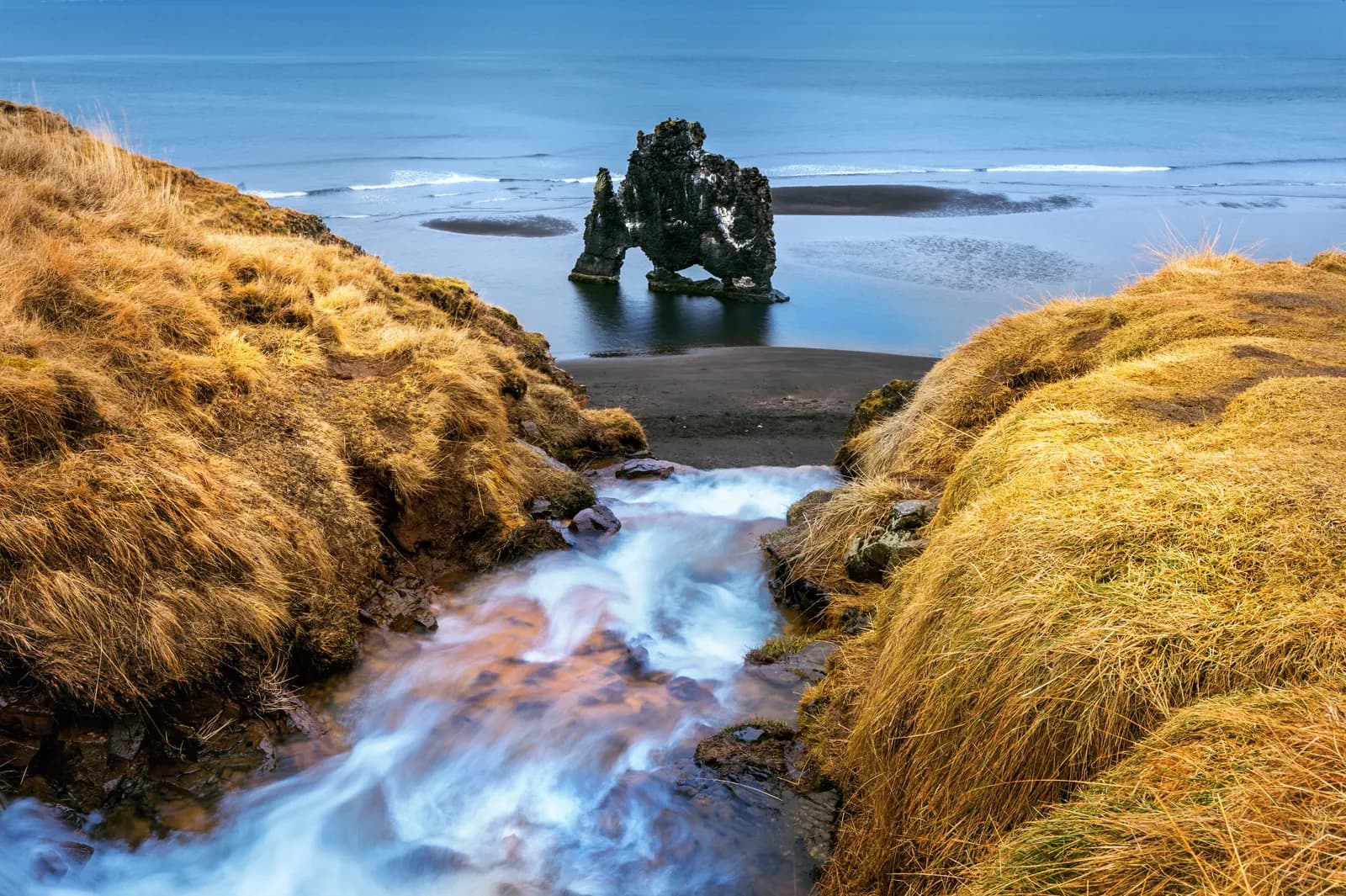
Hvítserkur stands alone in the shallows of Húnaflói bay, on the eastern shore of the Vatnsnes peninsula. The basalt stack is about 15 metres high, with two holes worn through its base, and from the beach it looks like a dragon, a rhino or an elephant bending down to drink, depending on who you ask.
The name means “white shirt”, after the bird droppings that streak the dark rock. Fulmars, gulls and other seabirds nest on its ledges.
Hvítserkur at a glance
- Where: the east shore of the Vatnsnes peninsula, Húnaflói bay, North-West Iceland.
- Height: about 15 m.
- Rock: basalt, the remains of an eroded volcanic dyke.
- Access: Road 711, a gravel road, about 30 km from the Ring Road.
- Walk: a few minutes to the viewing platform, then a steep path to the beach.
- Time needed: 30 to 60 minutes.
- Best time: low tide, and early or late in the day.
- Entrance: free.
The legend of the troll
According to folklore, Hvítserkur was a troll who set out one night to silence the church bells at the Þingeyrar monastery across the bay. He was too slow, the sun rose before he reached shelter, and he turned to stone where he stood.
The geological story is slower. The rock is the remains of a volcanic dyke that the sea has been wearing away for a very long time. Its base has been reinforced with concrete so that the waves do not bring it down.
Getting there
Hvítserkur is reached on Road 711, a gravel road that loops around the Vatnsnes peninsula from the Ring Road. Allow about three and a half hours from Reykjavík without stops and around two and a half hours from Akureyri. That makes it a natural break on a drive between the two, or a stop on a Ring Road trip.
The gravel road is usually passable for ordinary cars in summer but can be rough, muddy or icy. Drive slowly, and check road conditions in winter. Distances and times are approximate.
The viewpoint and the beach
From the car park, a short path leads to a viewing platform above the beach, which takes only a few minutes. A steeper, rougher path continues down to the black sand. At low tide you can walk out towards the rock; at high tide the sea surrounds it.
When to visit
Summer is the easiest season. The gravel road is at its best, the midnight sun gives light late into the evening, and seabirds are nesting on the rock. Because Hvítserkur stands off an east-facing shore, the sun rises behind it, and early mornings give strong silhouettes and reflections.
In winter the rock is a well-known foreground for northern lights photos on clear nights, which can never be guaranteed. The road can be icy or closed, daylight is short and the path to the beach is slippery, so go only in settled weather and check road conditions first.
Photography tips
- Go down to the beach for the classic view, where the rock looks like an animal drinking.
- At low tide the wet sand reflects the rock. Arrive an hour or so before the lowest water.
- The viewing platform gives a higher angle with the bay and mountains behind.
- A tripod and a slow shutter speed smooth the water around the base.
- Keep an eye on the tide while you shoot. It comes in faster than it seems.
Facilities and what to bring
Facilities at the car park are minimal, and there is no shop or fuel on this side of the peninsula. Fill up and buy food in Hvammstangi or on the Ring Road before you start. Bring a windproof jacket, shoes with a good grip for the path, and binoculars if you want to watch seals and birds.
Seals and other stops on Vatnsnes
Vatnsnes is one of the best areas in Iceland to see seals. They often rest on the sandbanks near Hvítserkur and at Illugastaðir on the western side of the peninsula. Keep your distance, stay quiet and never walk between a seal and the sea. The small town of Hvammstangi has a seal centre and places to eat.
Other stops between Reykjavík and Akureyri
- Kolugljúfur: a short canyon with waterfalls, a small detour south of the Ring Road.
- Borgarvirki: a natural basalt fortress on a hill, with wide views over the region.
- Hvammstangi: a small fishing town with a seal centre, cafés and fuel.
- Glaumbær: a turf farm museum further east in Skagafjörður.
How long to spend
Thirty minutes is enough for the viewpoint, and an hour if you walk down to the beach. Allow two to three hours to drive the whole Vatnsnes loop with stops for seals. If you are travelling between Reykjavík and the north, see our guide to Reykjavík to Akureyri.
Getting there with a private driver
We have been driving travellers around Iceland for ten years, and we go everywhere in the country, not only where our price list ends. A private ride between Reykjavík and Akureyri can include a detour to Hvítserkur. Message us on WhatsApp at +354 777 3949 with your dates and group size and we reply with a fixed price per car. See our private transfers.
- Fixed price per car, not per person
- Economy (Tesla) for 1 to 4 passengers, Van (Mercedes Vito) for 5 to 7, minibus for 8 to 16 on request
- 20% deposit online, the rest to the driver by card or cash
- Free cancellation up to 24 hours before pick-up
FAQ
About 15 metres. It is a basalt sea stack with two holes worn through its base.
At low tide you can walk across the sand towards it. At high tide it stands in the water, so check a tide table first.
About three and a half hours by car without stops, the last part on a gravel road.
No. Road 711 around the Vatnsnes peninsula is gravel. It is usually fine for ordinary cars in summer if you drive slowly, and conditions vary in winter.
It means “white shirt”, after the white bird droppings on the dark rock.
Often, yes. Seals rest on the sandbanks near the rock and at Illugastaðir on the other side of the peninsula. Keep your distance and stay quiet.
If you have about two hours to spare, yes. The rock, the black beach and the seals make it one of the most distinctive stops between Reykjavík and Akureyri.
Sometimes. The gravel road can be icy or closed and the path to the beach is slippery, so check road conditions and go only in settled weather.
At low tide, and early in the morning or in the evening when the light is soft. The sun rises behind the rock.
Travel tips
More in Places to visit


 Places to visit
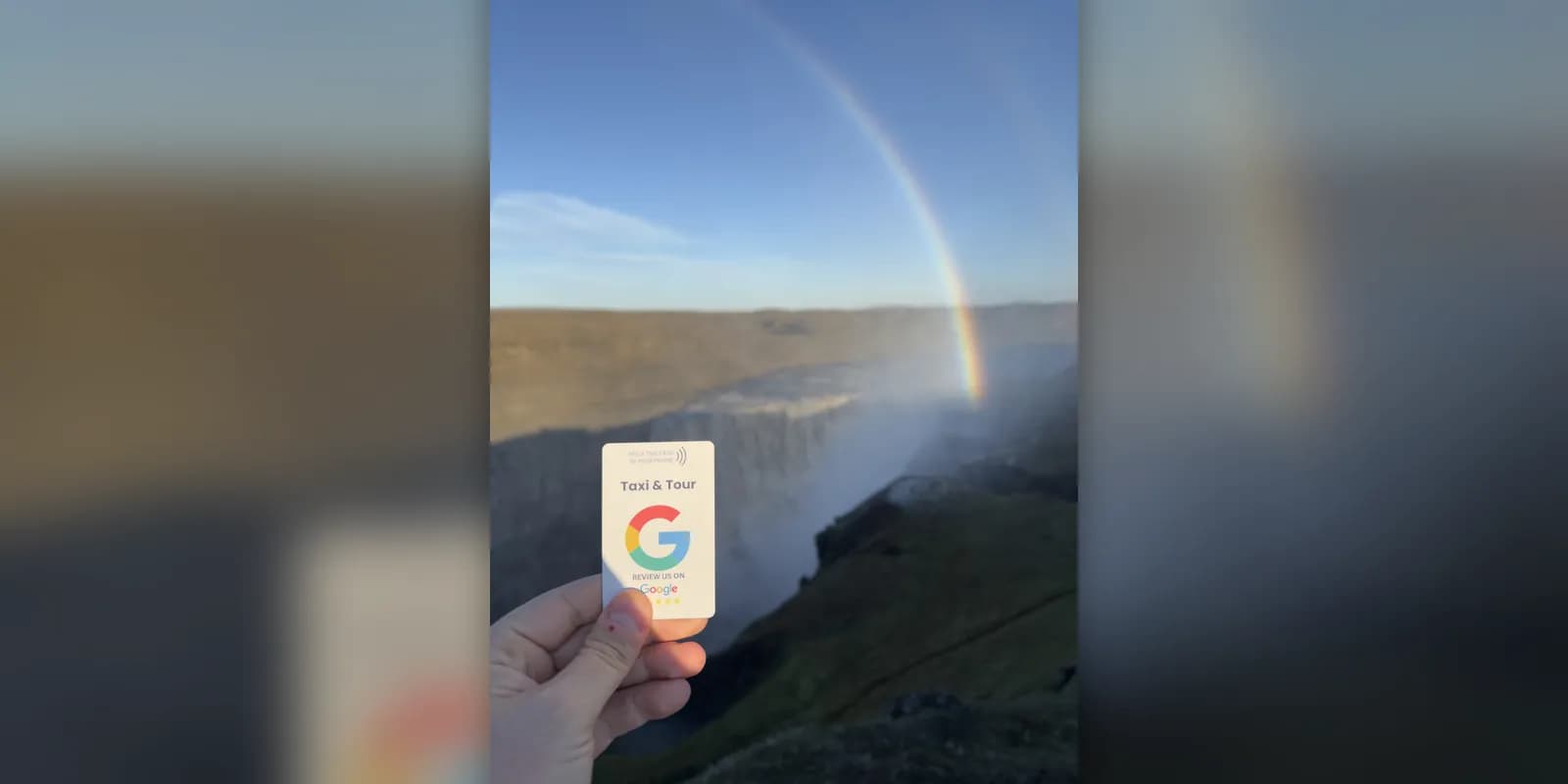
Dettifoss and Selfoss: Visiting North Iceland's Mighty Waterfalls
Dettifoss is often called the most powerful waterfall in Europe, and Selfoss is a short walk upstream. Which side to choose, how long to allow and when the roads are open.
Read more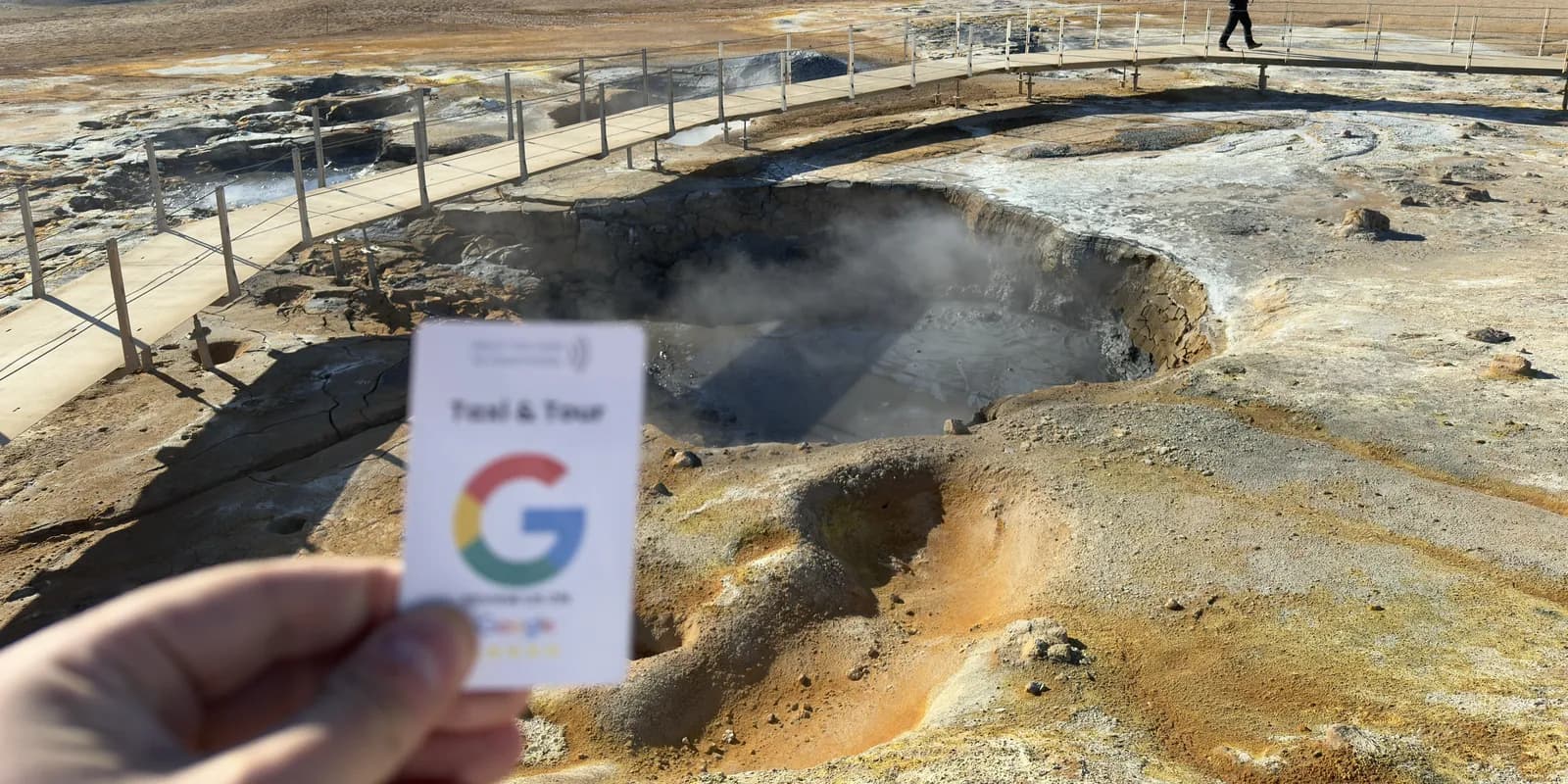 Places to visit
Hverir at Námafjall: Mud Pools and Steam Vents near Mývatn
Hverir is a field of boiling mud pools and hissing steam vents beside the Ring Road near Lake Mývatn. What to expect, how to stay safe and how long to allow.
Read more Places to visit
Diamond Beach: Ice on Black Sand at Jökulsárlón
At Diamond Beach, pieces of glacier ice wash up on black sand just across the road from Jökulsárlón. Where the ice comes from, the best light and how to visit safely.
Read more


