


 Manage booking
Iceland Weather Month by Month: Temperatures, Daylight and Tips

Drive Reykjavik team · 5 min read · September 2026
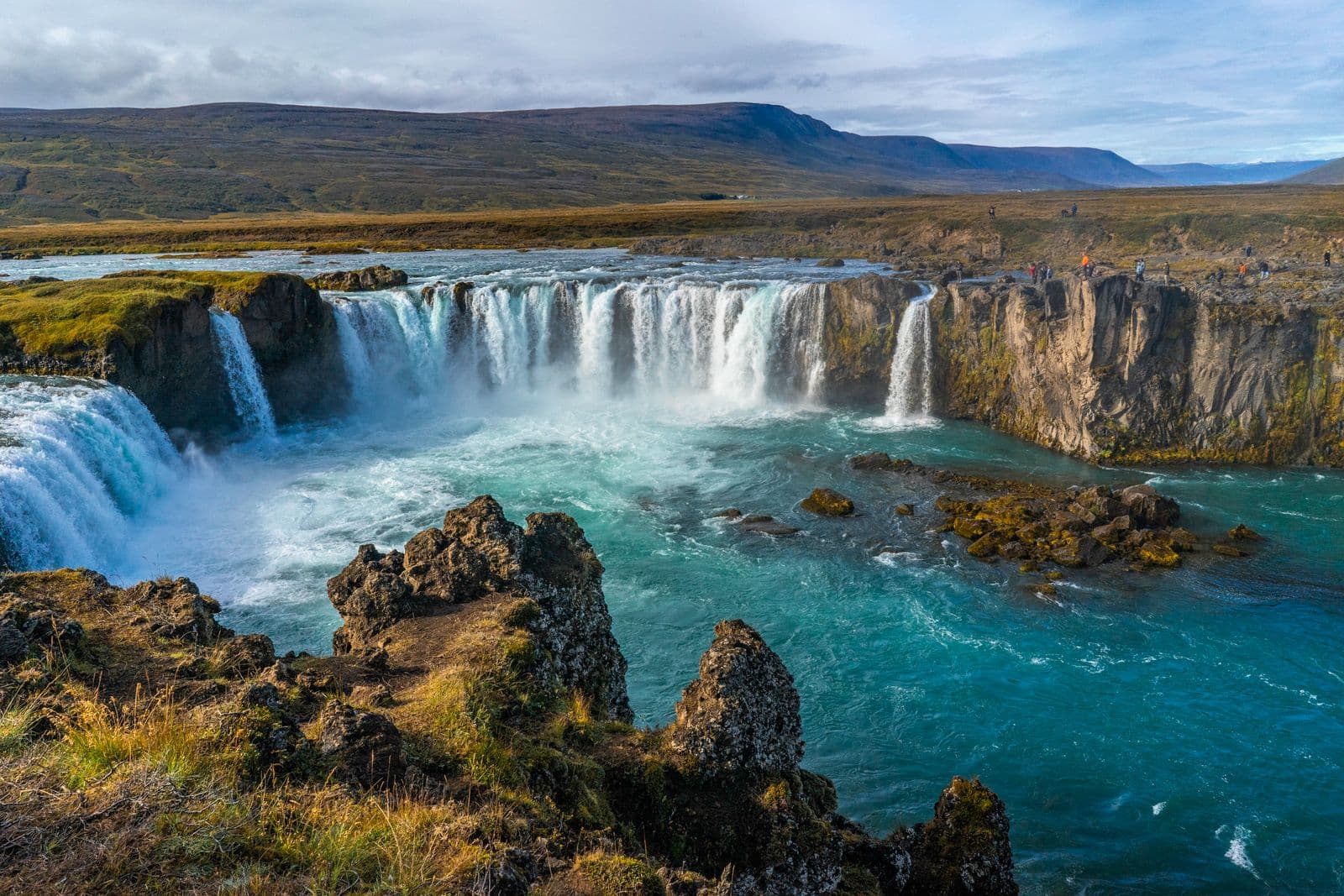
Planning around Iceland weather by month is easier than the country’s reputation suggests. Temperatures are milder than many people expect, thanks to the Gulf Stream, but the weather changes fast, the wind is strong and daylight swings from almost nothing to almost endless. The figures below are approximate, for Reykjavík and the south-west, and vary from year to year.
The big picture
Winters are cold but rarely extreme near the coast, with daytime temperatures often around freezing. Summers are cool, with daytime highs often somewhere between about 10 and 15 degrees Celsius. The north and the highlands are colder, and the interior is closed to ordinary traffic for much of the year.
December to February: winter
- December: daytime temperatures around freezing; only about four to five hours of daylight around the solstice; Christmas lights and a chance of northern lights.
- January: around or just above freezing on the coast; days start to lengthen slowly; snow and ice are common on roads.
- February: similar temperatures, but noticeably more daylight; good for combining sightseeing and aurora evenings.
Winter is atmospheric but demanding. Storms can close roads and delay trips, so keep your plan flexible. Read our guide to Iceland in winter for the details, and our winter driving guide if you plan to drive yourself.
March to May: spring
- March: still wintry, with daytime temperatures close to or a little above freezing; daylight is back to roughly 12 hours by the end of the month.
- April: milder, but snow showers are still possible; days get long quickly. Our spring guide covers the details.
- May: often calmer and brighter, with temperatures climbing; some seasonal roads and attractions are still opening.
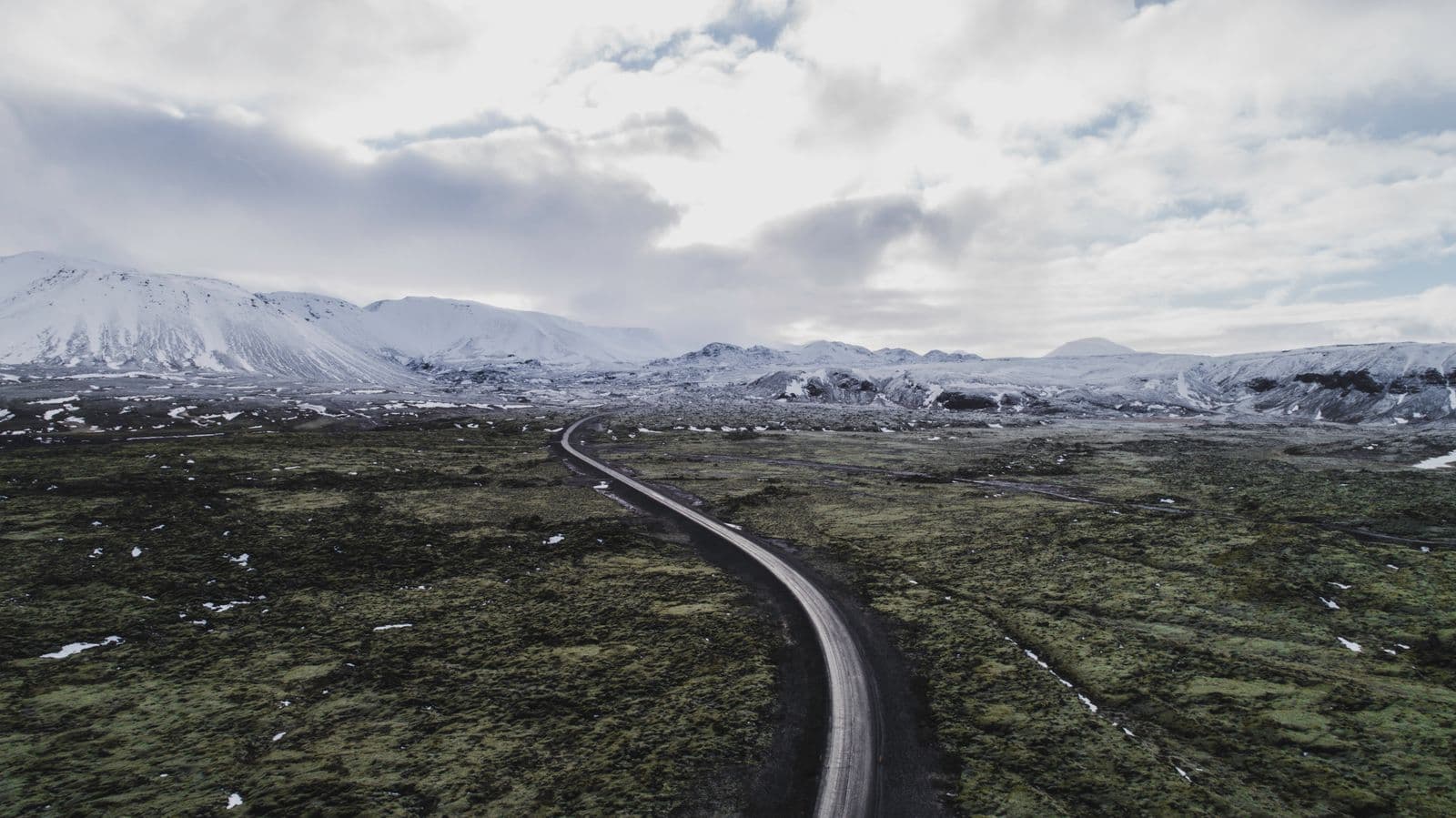
Spring is a transition season, so pack for everything. Roads in the south-west are usually fine, but check conditions each morning.
June to August: summer
- June: the brightest month, with daylight lasting almost round the clock around the solstice and temperatures typically cool and pleasant.
- July: usually the warmest month, though still mild; the best time for hiking and for driving to more remote areas.
- August: still warm and bright, with nights getting darker again as the month goes on.
In summer you can fit more into a day, since there is light until late. It is also the busiest season, so book transport and places to stay early. If you plan to see the midnight sun, remember that the sun does not mean warm: you still need layers and a rain jacket.
September to November: autumn
- September: cooler, with colourful moorland and long evenings; the northern lights season begins again as nights get dark.
- October: wetter and windier, with daylight dropping quickly; good for aurora chasing and quieter sights. See our autumn guide.
- November: short days, cold weather and the first real snow in many areas; a quiet month before the holiday season.
Planning tips for any month
- Wind often matters more than the temperature, so pack a windproof outer layer.
- Weather can change within an hour; layers work better than one thick coat.
- Check the forecast and the road conditions every morning.
- Keep one day spare so you can swap trips around the weather.
- Check daylight hours for your exact dates before planning long trips.
- See our packing guide for what to bring.
Whichever month you choose, the same principles apply: keep plans flexible, dress in layers and give long trips plenty of time. Our private tours can be adjusted to the forecast, and your airport transfer is a fixed price per car, from 18,900 kr from Keflavík to Reykjavík.
What to wear in each season
The layering system works in every month, and the amount of insulation is what changes.
- Winter: thermal base layers, a warm mid layer, a windproof and waterproof outer layer, hat, gloves and sturdy boots with good grip.
- Spring and autumn: the same layers with a lighter mid layer; keep the hat and gloves in your bag.
- Summer: a light base layer, a fleece or light jacket, and a waterproof shell; sunglasses and sleep mask for the bright nights.
Cotton is a poor choice when you are wet or cold, so choose wool or synthetic fabrics where you can. Waterproof trousers are worth having at waterfalls, where spray soaks you even on a dry day.
Finally, remember that the forecast can be wrong. If the weather looks bad, do not cancel the day; adjust it. A shorter trip, a different direction or an indoor day can be as enjoyable as the original plan, especially when you have a spare day built into your itinerary.
FAQ
It depends on what you want. June to August offers the longest days, while the darker months from autumn to early spring give you a chance of northern lights.
Near the coast it is cooler than many people expect in winter, often around freezing, but the wind can make it feel much colder.
Around the winter solstice Reykjavík has only about four to five hours of daylight. It increases steadily after that.
Yes. Storms and icy roads can affect travel in winter. Message us on WhatsApp at +354 777 3949 if conditions change.
Travel tips
More in Seasons & weather


 Seasons & weather
Iceland in Winter: Daylight, Weather, Roads and What to Expect
What is Iceland really like in winter? Short days, changeable weather, snowy roads and northern lights: an honest guide to planning a winter trip.
Read more Seasons & weather
Iceland in Summer: Midnight Sun, Puffins and Long Days Outside
What is Iceland in summer really like? Midnight sun, puffin season, green valleys and long evenings, plus honest advice on weather, crowds and what to book early.
Read more Seasons & weather
Iceland in Spring: April and May Travel Guide
Longer days, powerful waterfalls and returning puffins: what to expect from Iceland in April and May, with weather, roads, daylight and packing advice.
Read more