


 Manage booking
Christmas and New Year’s Eve in Iceland: Traditions and Practical Tips

Drive Reykjavik team · 5 min read · September 2026
Spending the holidays in Iceland is a very different experience from a summer trip. Days are short, the air is cold and the whole country seems to glow with lights. If you are planning New Year in Reykjavik or a Christmas week, it helps to know the local traditions, and just as importantly, which things pause for the holidays.
This guide covers Icelandic Christmas customs, how New Year’s Eve is celebrated, what to expect from daylight and weather, and how to plan your transfers and tours around the festive days.
Icelandic Christmas traditions
Icelandic Christmas has some unusual characters and customs that you will not find elsewhere.
- The Yule Lads: thirteen mischievous figures who, according to tradition, visit one by one in the thirteen nights before Christmas. Children leave a shoe in the window and may find a small gift or a joke in the morning.
- The Yule Cat: a folklore figure tied to the custom of wearing something new at Christmas.
- Christmas Eve: often the main celebration, with a family meal in the evening, when church bells ring to mark the start of the holiday.
- Books: giving and reading books on Christmas Eve is a well-loved custom, often called the Christmas book flood.
- Lights and decorations: towns and homes are decorated early, which brightens the long dark days.
Christmas itself is largely a family occasion, so some places close or reduce hours around Christmas Eve, Christmas Day and New Year’s Day. Always check current opening hours for restaurants, museums, pools and attractions before you plan.
New Year in Reykjavík
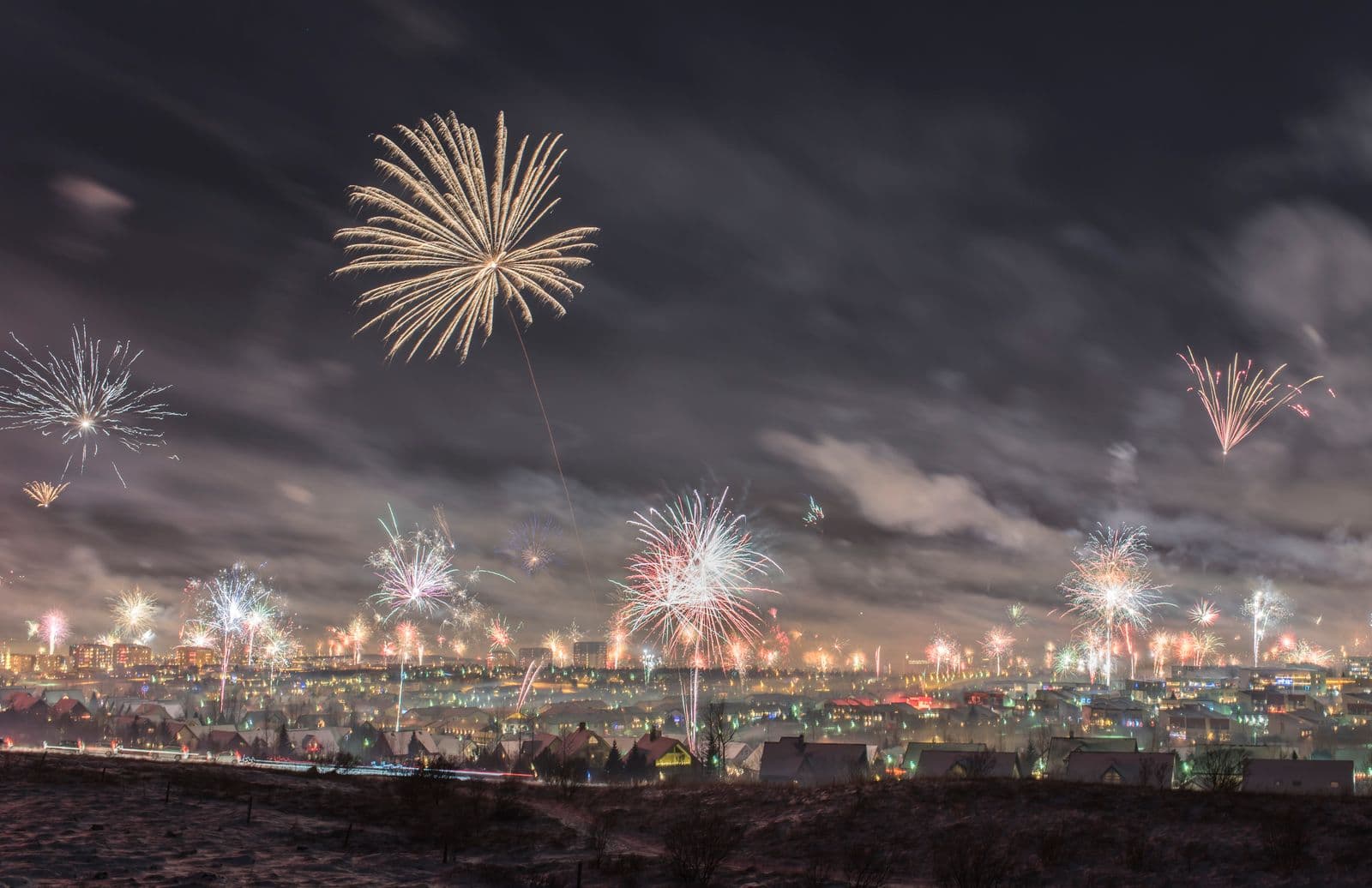
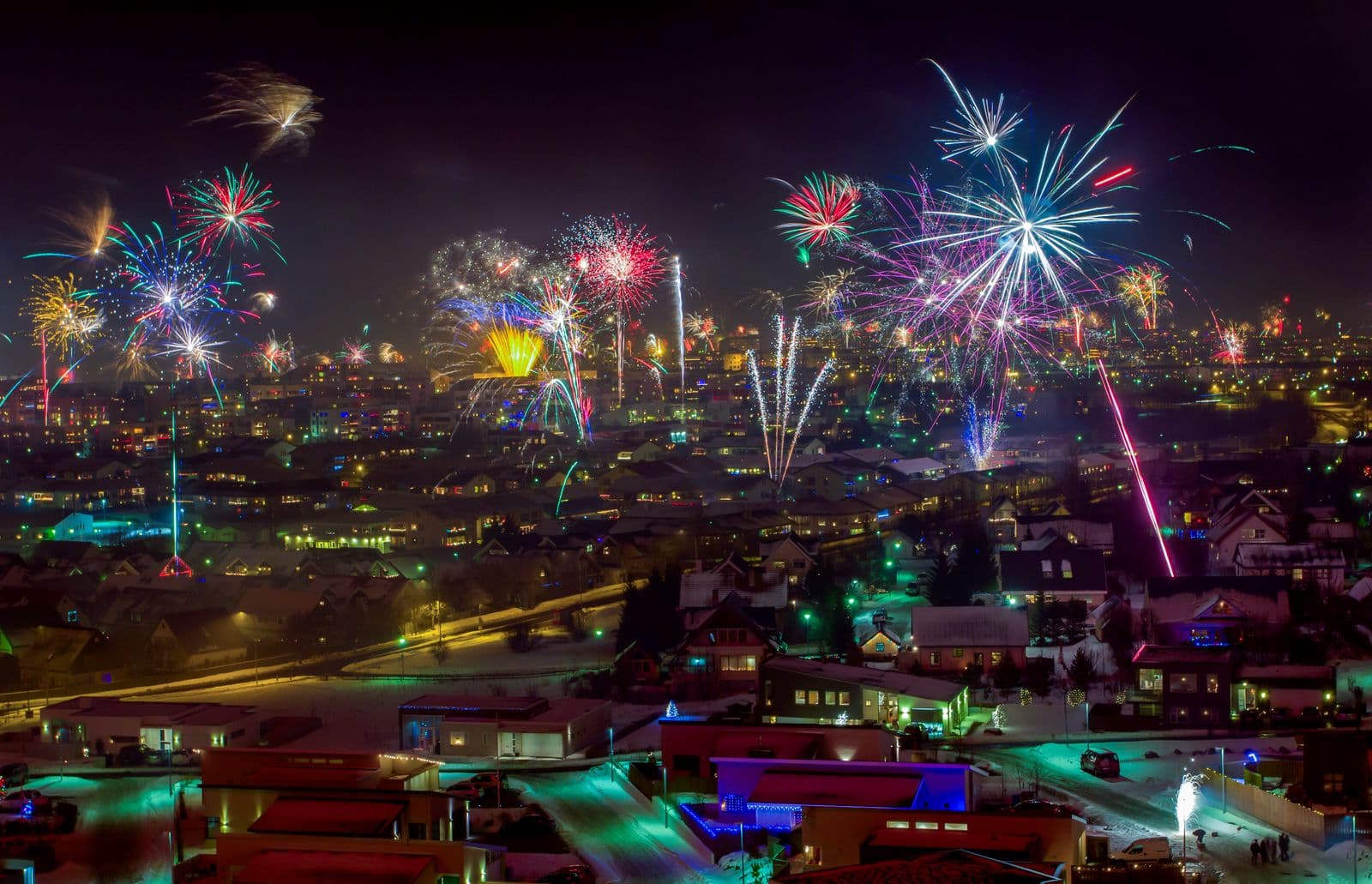
New Year’s Eve in Reykjavík is famous for its fireworks. Many households set off their own, so the sky across the city lights up around midnight. Earlier in the evening there are traditionally bonfires in different parts of the city, and many locals gather with friends and family for a large meal.
- Dress very warmly, because you will spend time outside in the cold.
- Wear eye protection if you are close to fireworks, and keep a safe distance.
- Pick a viewing spot with a good view over the city; higher ground often gives the best panorama.
- Book restaurants well in advance, since many have limited menus or special arrangements.
- Plan how you will get home late at night, as normal services may be reduced.
The festive season in Iceland ends with the Thirteenth Night on 6 January, when the last Yule Lad leaves and some towns hold bonfires. If you are travelling then, check local listings.
Daylight, weather and the northern lights
Around the winter solstice Reykjavík has only about four hours of daylight, and the weather can change quickly. Plan outdoor sightseeing for the middle of the day and keep evenings for dinner, pools and watching the sky. Our guide to Iceland in winter goes through daylight, weather and roads in more detail.
The holiday season falls within the dark months, so northern lights are possible, but they can never be guaranteed. They depend on clear skies and solar activity, and city lights make them harder to see; see our northern lights guide for how to improve your chances.
If you are travelling with children, the Yule Lads are a lovely way to bring the story to life; many families follow the nightly tradition with a shoe on the windowsill. Even adults often enjoy the quirky folklore, which shows how Icelanders keep a sense of humour through the darkest weeks of the year.
What is open and what is not
Opening hours around Christmas and New Year vary. Some shops, restaurants and attractions close on certain days or shorten their hours, particularly in the afternoon of Christmas Eve and on Christmas Day and New Year’s Day. Supermarkets also change their hours, so buy what you need in advance.
- Check each place’s holiday hours rather than assuming normal opening times.
- Book tables for Christmas Eve and New Year’s Eve well ahead.
- Buy groceries before the closing days if you are self-catering.
- Confirm your tour or activity dates, since some operators change their schedules.
- Keep a flexible day in your plan in case weather disrupts things.
Getting around over the holidays
Winter roads call for care, and public transport may run reduced timetables on holidays. Our pre-booked private tours with your own driver can be a calmer alternative to driving yourself on icy roads. The price is per car, not per person, and timing is flexible. Message us on WhatsApp at +354 777 3949 about your dates, and we will tell you what we can arrange.
For the airport, our fixed-price transfer from Keflavík to Reykjavík starts from 18,900 kr per car, with a driver meeting you in arrivals with a name sign and 45 minutes of free waiting. You pay a 20% deposit online and the rest to your driver by card or cash. Free cancellation is available up to 24 hours before pick-up, and you can book up to 1 hour before.
If you want to see more of the country in winter, our Golden Circle guide explains how the classic route works in the short days.
FAQ
Yes, if you enjoy winter and festive atmosphere and accept short days and changeable weather. Plan flexibly.
Many places close or reduce hours around Christmas Eve, Christmas Day and New Year’s Day. Always check opening hours in advance.
It is possible in the dark season, but it cannot be guaranteed. It depends on clear skies and solar activity.
Pre-book a private transfer and add your flight number. Your driver will meet you in arrivals with a name sign.
Around the winter solstice Reykjavík has only about four hours of daylight.
Travel tips
More in Seasons & weather


 Seasons & weather
Iceland in Winter: Daylight, Weather, Roads and What to Expect
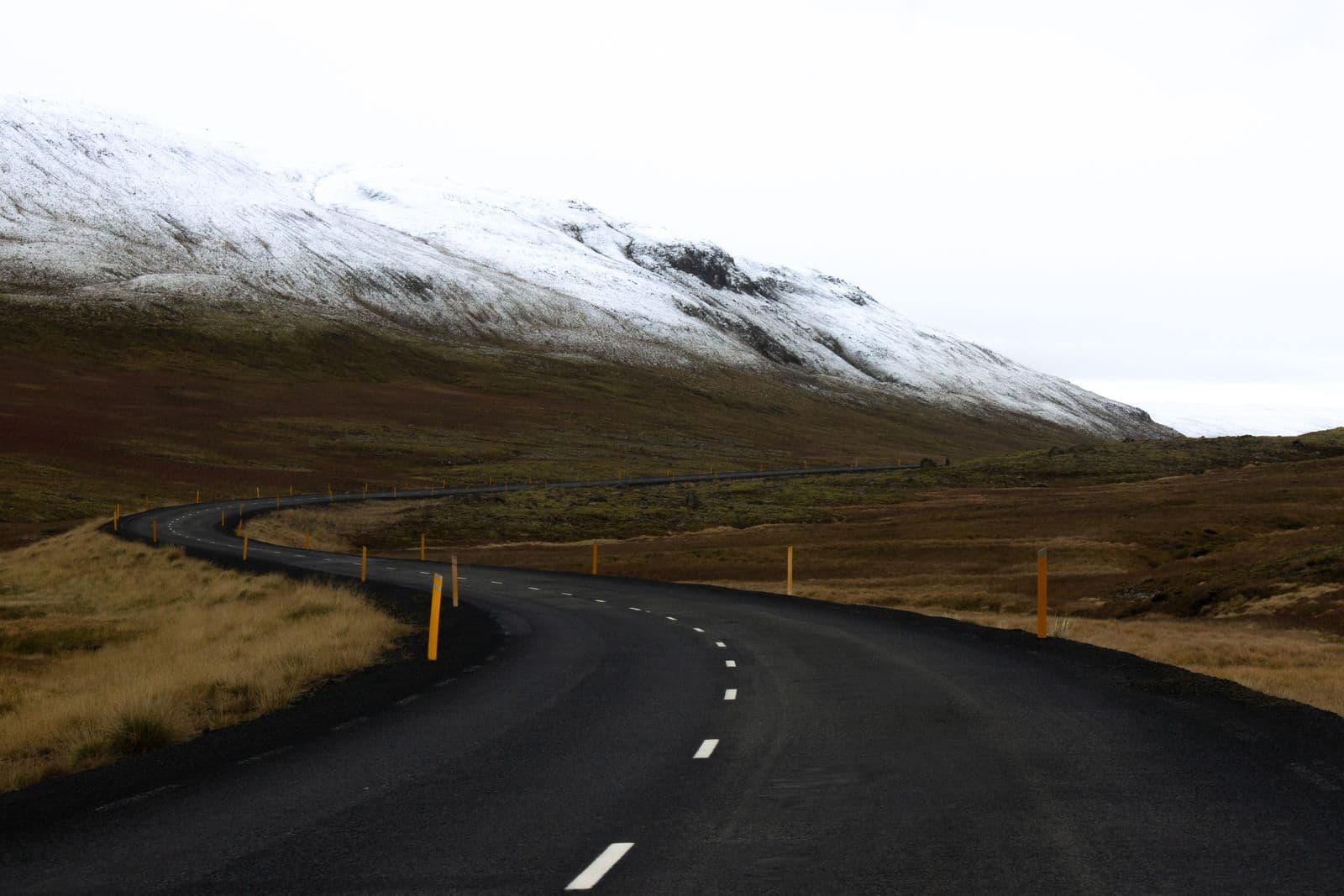
What is Iceland really like in winter? Short days, changeable weather, snowy roads and northern lights: an honest guide to planning a winter trip.
Read more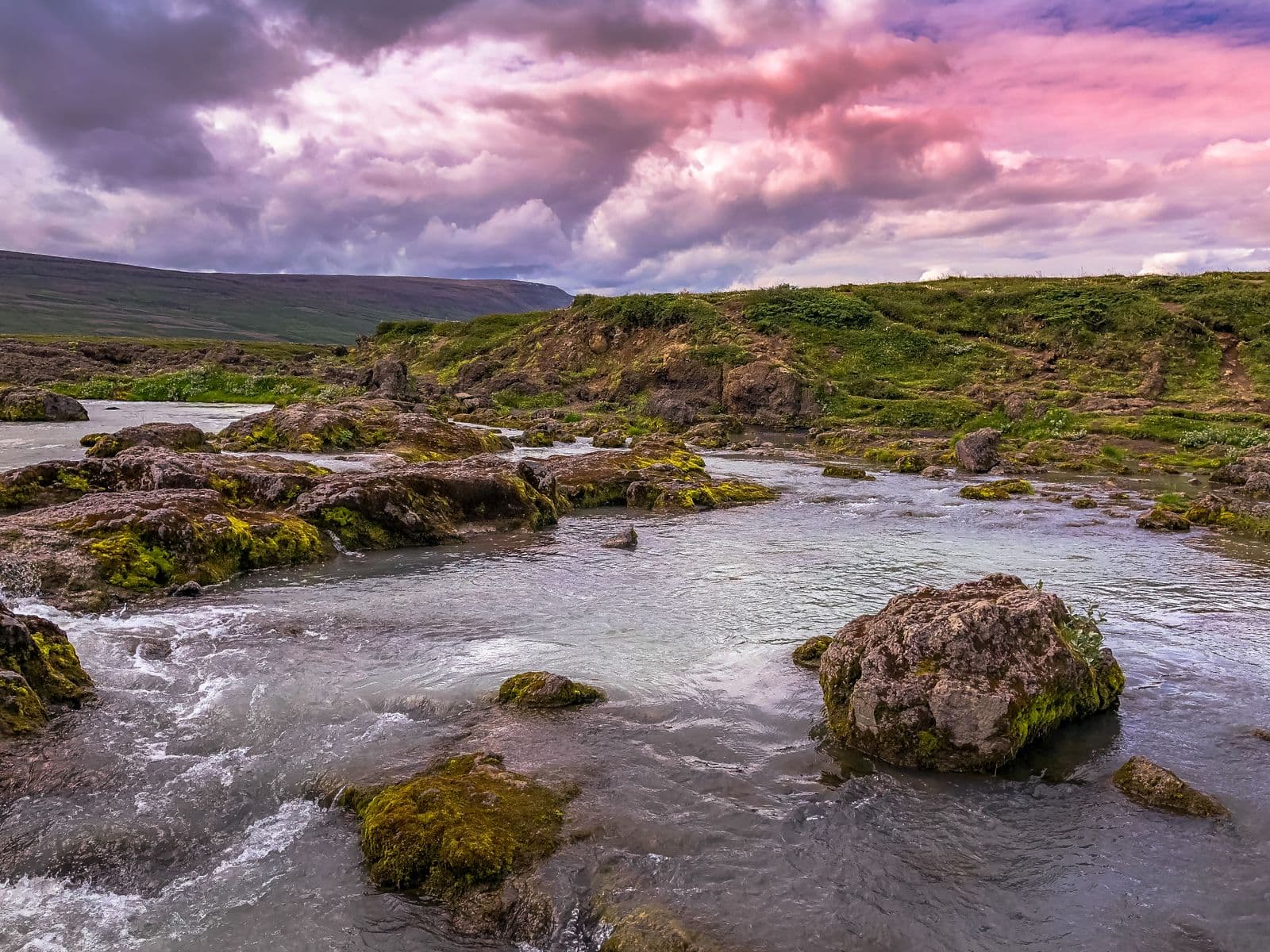 Seasons & weather
Iceland in Summer: Midnight Sun, Puffins and Long Days Outside
What is Iceland in summer really like? Midnight sun, puffin season, green valleys and long evenings, plus honest advice on weather, crowds and what to book early.
Read more Seasons & weather
Iceland Weather Month by Month: Temperatures, Daylight and Tips
Iceland weather by month: approximate temperatures in Reykjavík, how daylight changes through the year and what to pack and plan for in every season.
Read more