


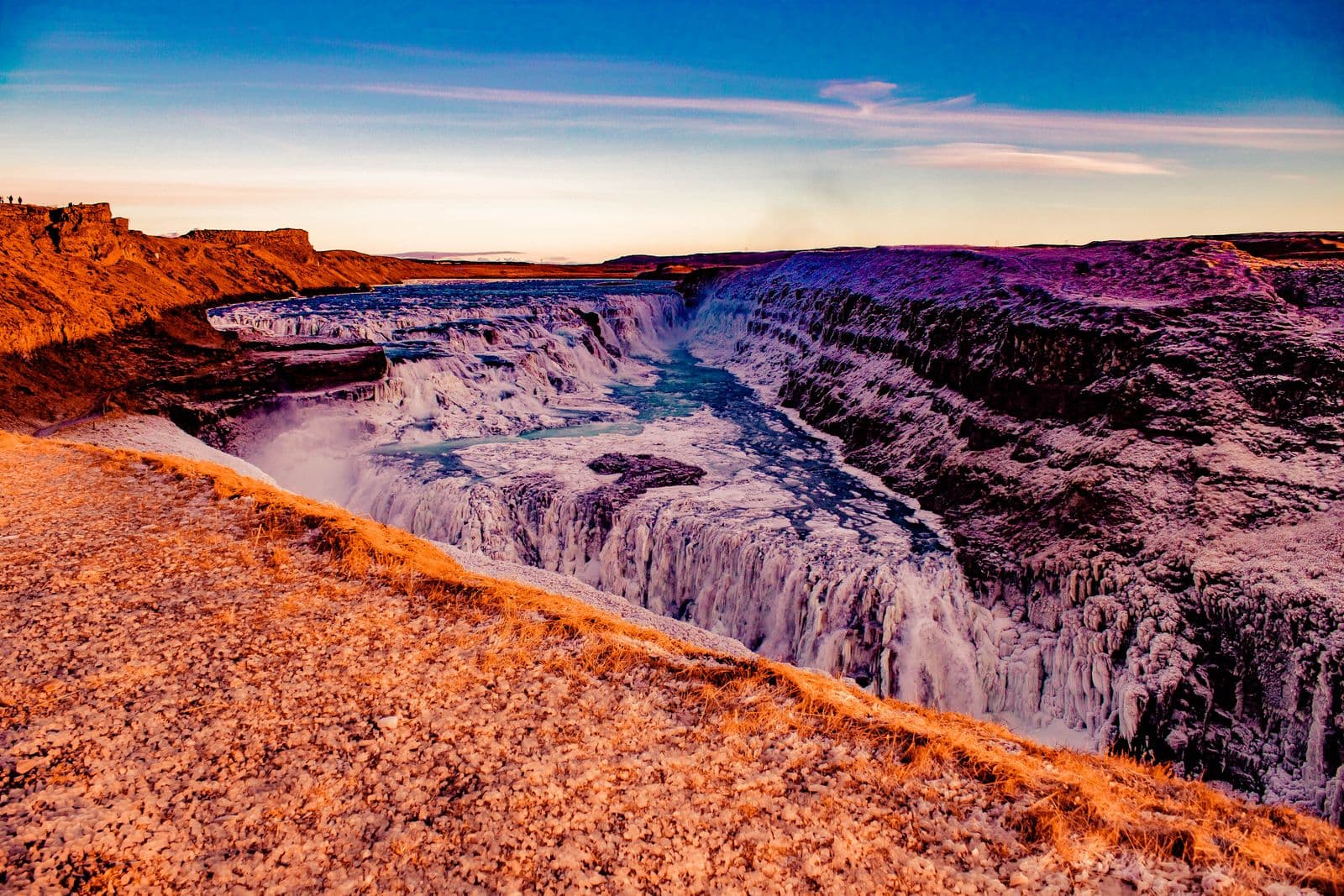

Golden Circle
Þingvellir · Geysir · Gullfoss

Car
1–4 people
90,000 kr
Van
5–7 people
120,000 kr


Drive Reykjavik team · 5 min read · November 2026
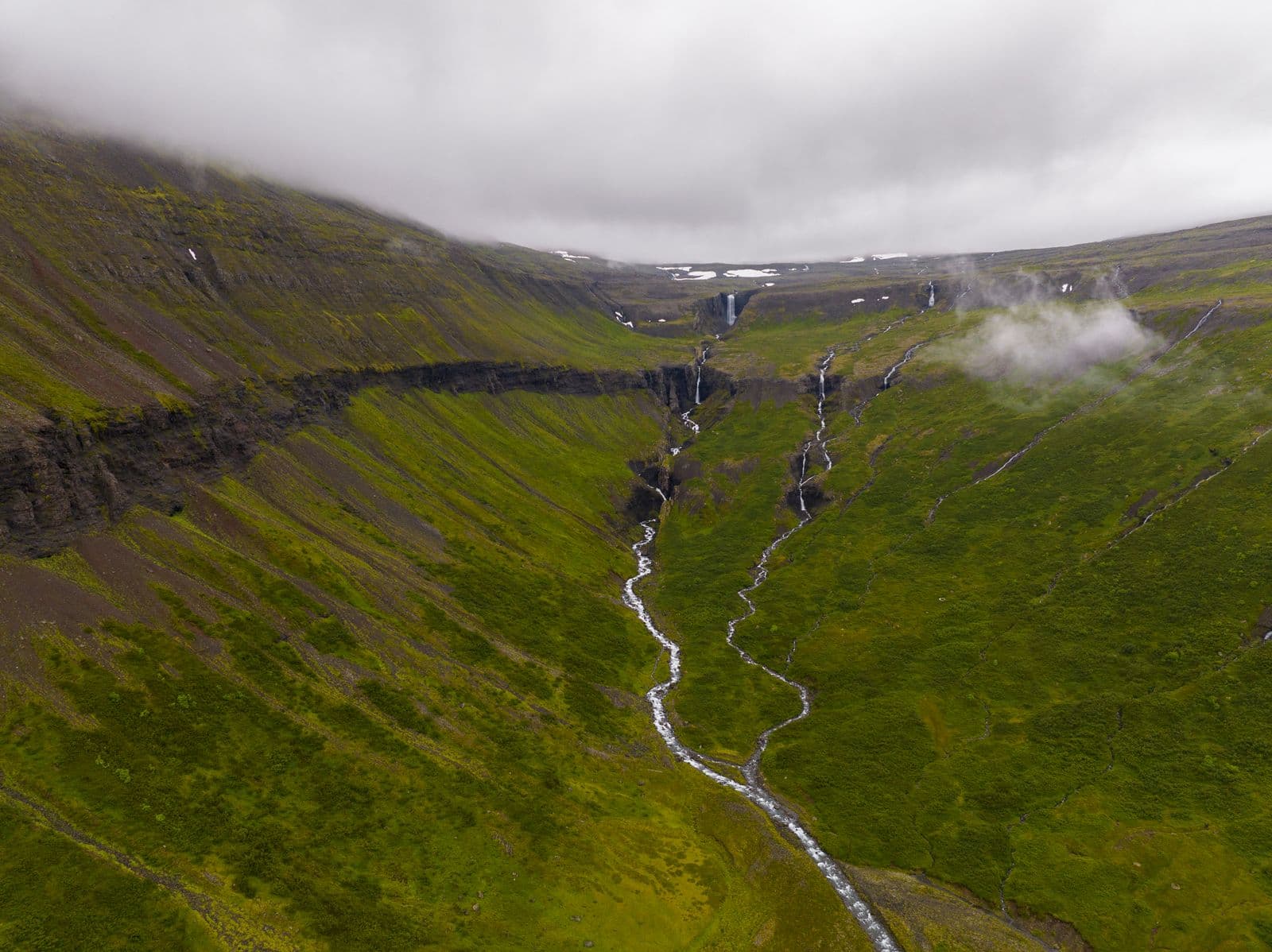
Iceland in August is the month with the fewest compromises: every road and highland track is open, every tour runs, the moss is at its greenest and you can sightsee until late evening. The price is company — it is peak season — but with a private car and a local driver you time the famous stops around the buses, not with them.
August is Iceland's late summer: usually 10–15 °C, grassy winds, a mix of bright spells and soft rain — pack a shell, not an umbrella. Early August still has bright nights; by the end of the month the sun sets before 21:00 and you get real darkness for a few hours, which is exactly what the aurora needs. For the full season picture see Iceland in summer.
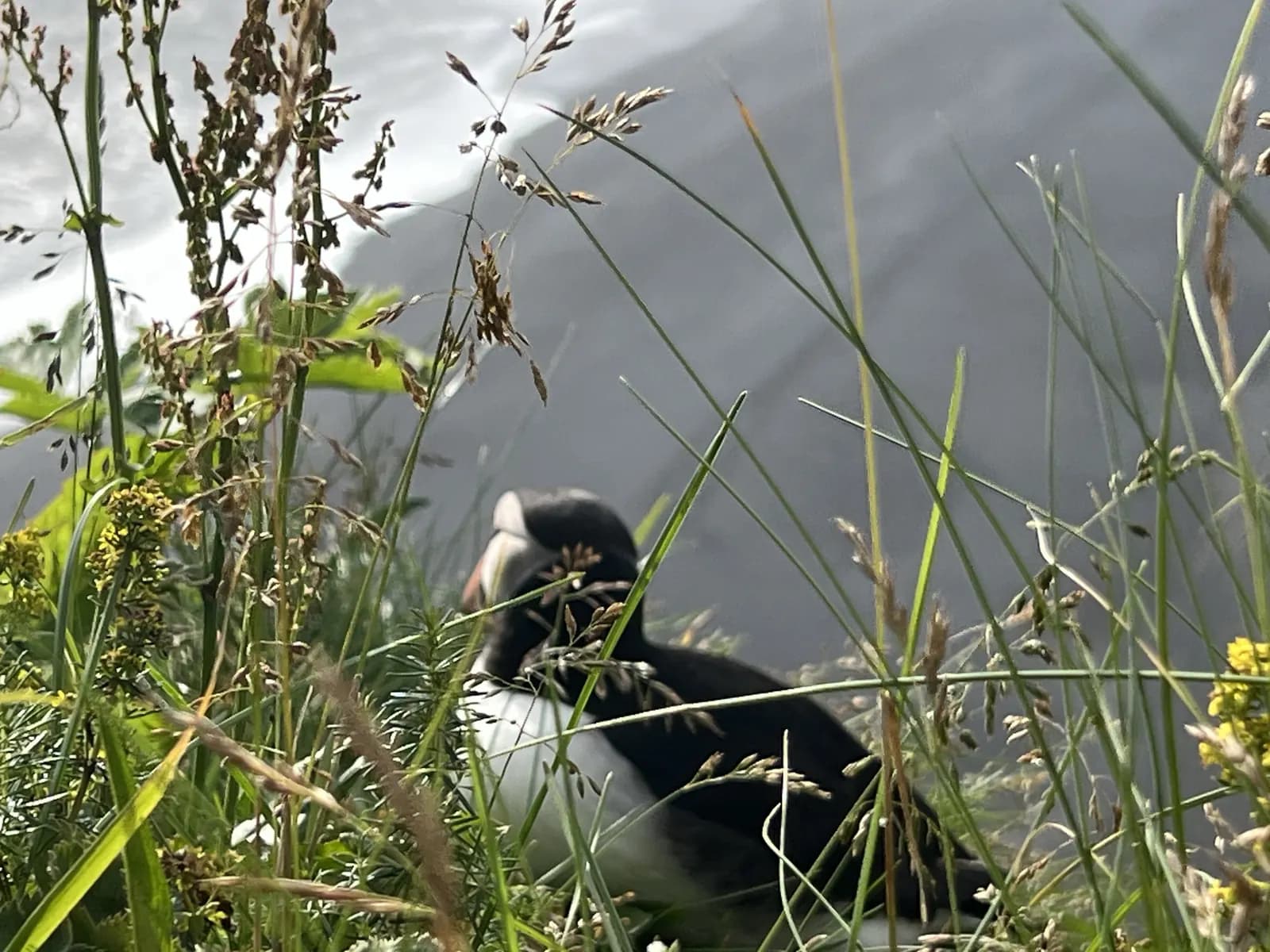
Puffins nest on Iceland's cliffs from May to mid-August, then vanish to the open sea for eight months. If they are on your list, come in the first half of the month and read where and when to see puffins — Dyrhólaey on the South Coast and the Westman Islands are the classic spots, and both fit into a private South Coast day.
On a Saturday in late August, Reykjavík throws Menningarnótt — Culture Night: free concerts on every corner, open houses, waffles in strangers' gardens, and fireworks over the harbour to close it. The Reykjavík Marathon runs the same morning. It is the best single day of the year to simply be in the city — plan your day trips around it and book dinner early.
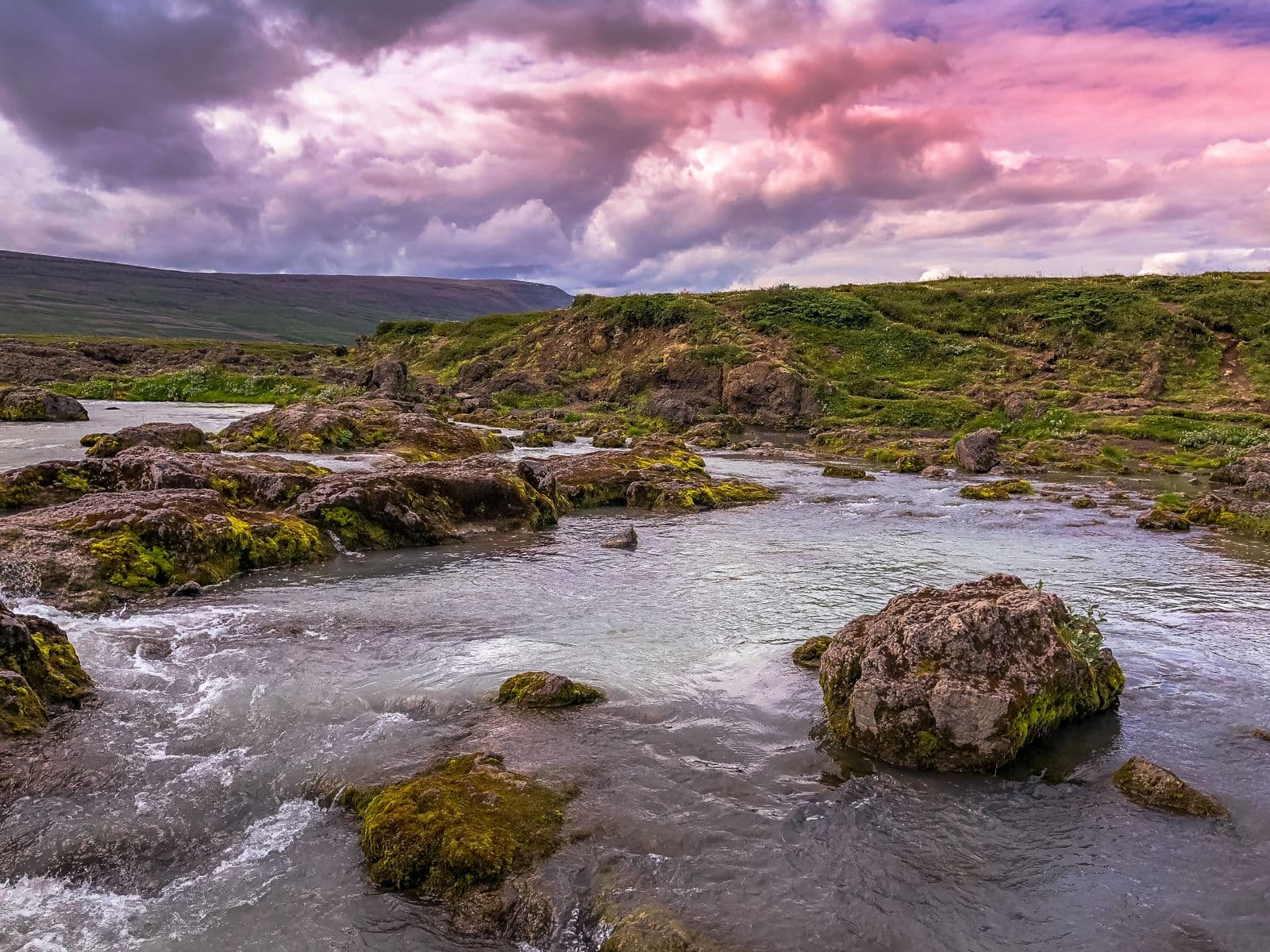
August is peak season: hotels cost the most, the Blue Lagoon sells out days ahead and the famous car parks fill by 10:00. The private-car playbook: start earlier or later than the buses, book the lagoon time slot first and build the day around it, and let your driver reorder the stops on the fly. Your airport transfer is a fixed 20,500 kr per car regardless of season — book it as soon as you have flights.
Yes — it is the most capable month: warmest weather, all roads and highlands open, puffins until mid-month, Culture Night in Reykjavík, and first northern lights at the very end. It is also peak season, so book ahead.
Typically 10–15 °C in the south, occasionally warmer. Evenings are cool; a windproof shell and layers beat a heavy jacket.
Only in the last week or so, once real darkness returns after ~20 August. From September the season is fully on — see our best-time guide.
Until roughly the middle of the month. Come in the first half of August and visit Dyrhólaey or the Westman Islands; by late August they are gone to sea.
About 16.5 hours at the start of the month and about 13 by the end. Sunsets drift from ~22:30 to ~20:45 — long sightseeing days throughout.
The true midnight sun is June; early August still has bright nights, but the sun does set. By late month you get real darkness for a few hours.
It is high season. The fix is timing: private tours can start at 8:00 or run into the bright evening, hitting Gullfoss and Reynisfjara when the day-trip waves are elsewhere.
Menningarnótt, a Saturday in late August: a city-wide free festival of music, art and open houses, ending with fireworks over the harbour. The Reykjavík Marathon runs the same morning.
Yes — transfers, tours and especially the Blue Lagoon should be booked days to weeks ahead. Our tours are booked online with a 20% deposit, free to cancel up to 30 days before.
Travelling a month later? September trades some warmth for auroras and empty roads — read Iceland in September and Iceland in autumn.
Þingvellir · Geysir · Gullfoss
Car
1–4 people
90,000 kr
Van
5–7 people
120,000 kr
Travel tips
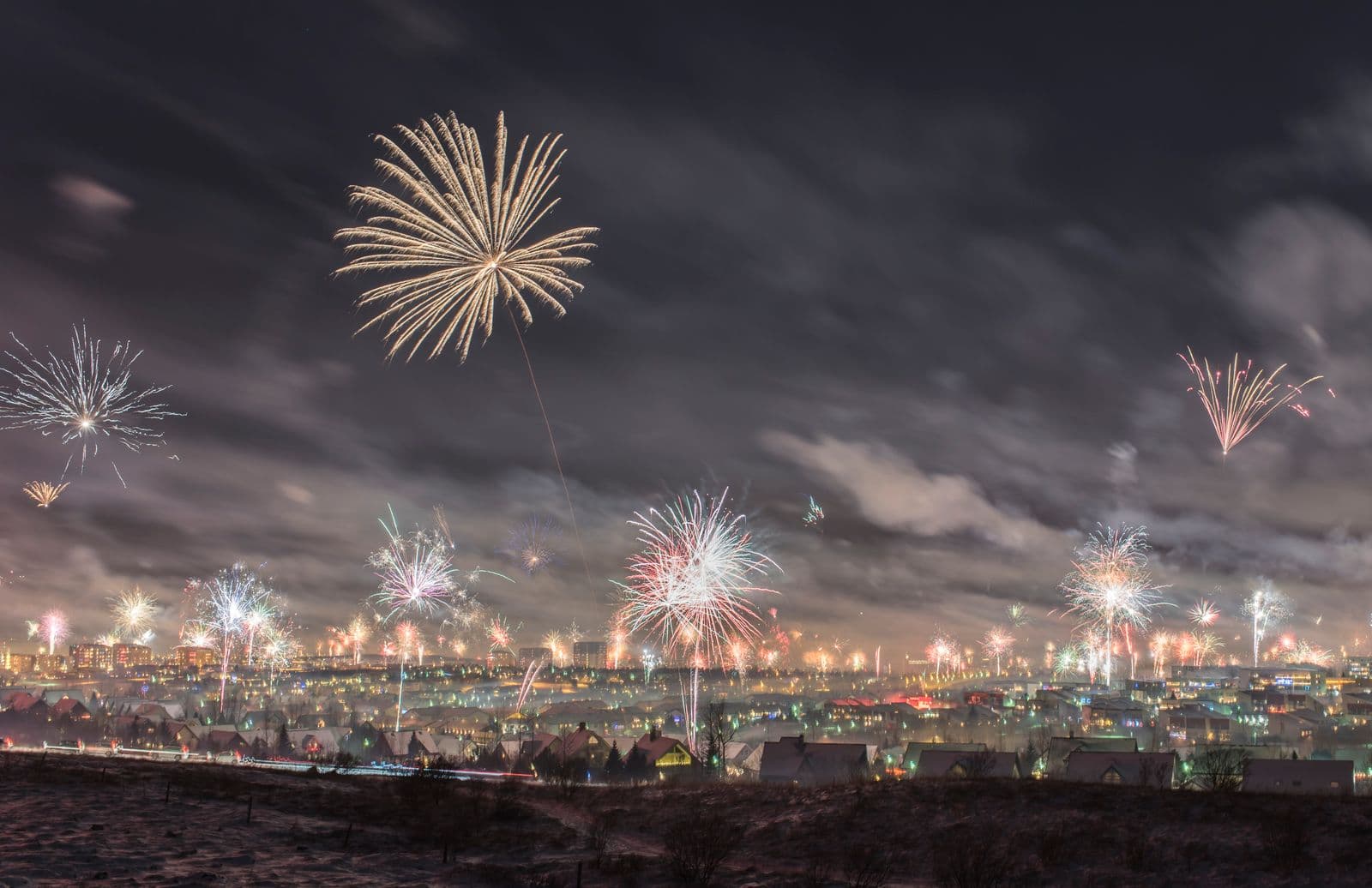 Seasons & weather
What Iceland is really like in December: 4–5 hours of daylight, northern lights, Christmas lights in Reykjavík, 13 Yule Lads, New Year's Eve fireworks, road conditions and a realistic plan for a short winter trip.
Read more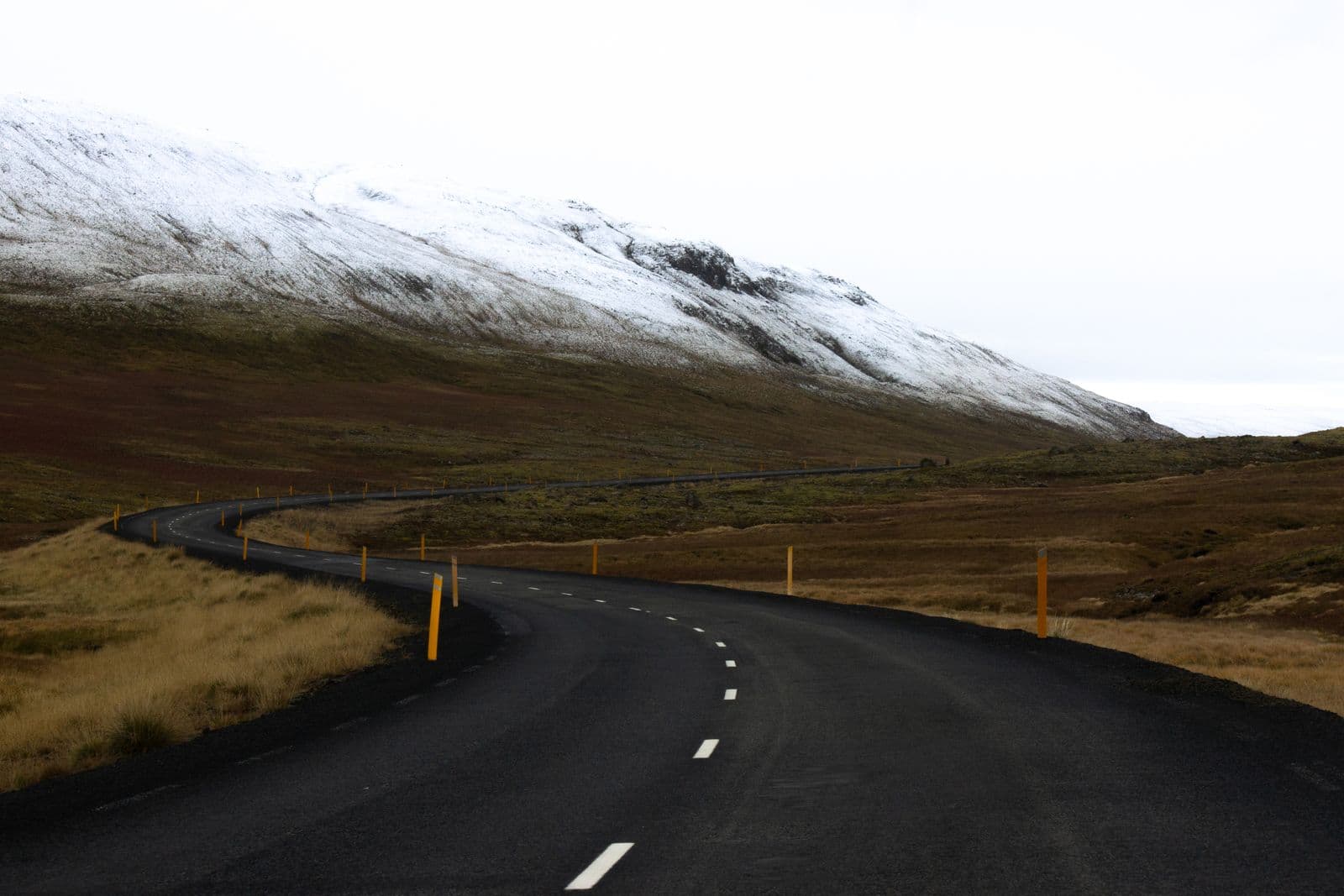 Seasons & weather
What Iceland is really like in January: 4–7 hours of growing daylight, the best ice cave season, long aurora nights, quiet sights, lower prices and how to plan around winter storms.
Read more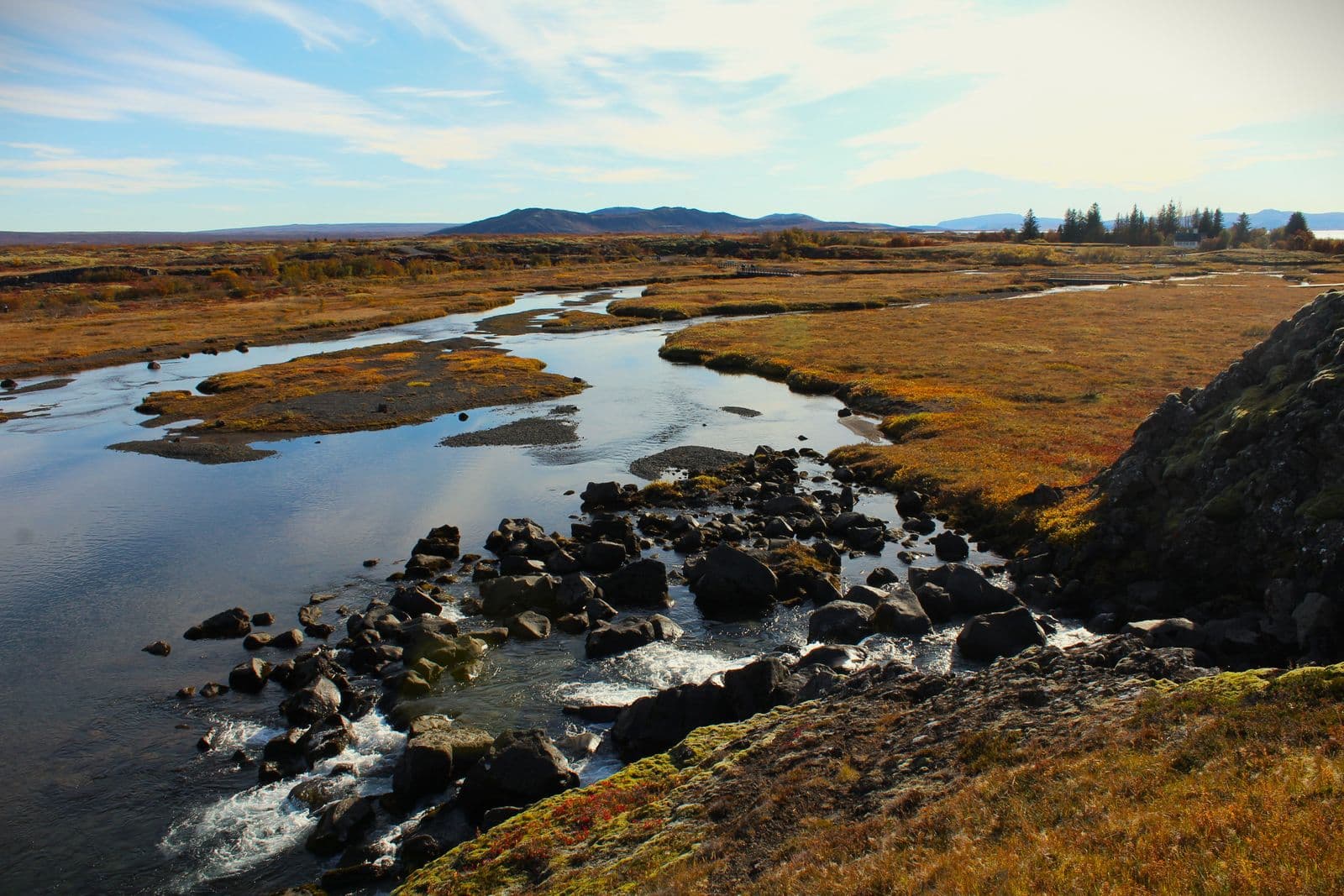 Seasons & weather
Why September might be Iceland's smartest month: 11–13 hours of daylight, the northern lights season opening, autumn colours, the réttir sheep round-up, thinner crowds and lower prices — with all the main roads still easy.
Read more


