


 Manage booking
Iceland in Autumn: Why September and October Are Underrated

Drive Reykjavik team · 5 min read · September 2026
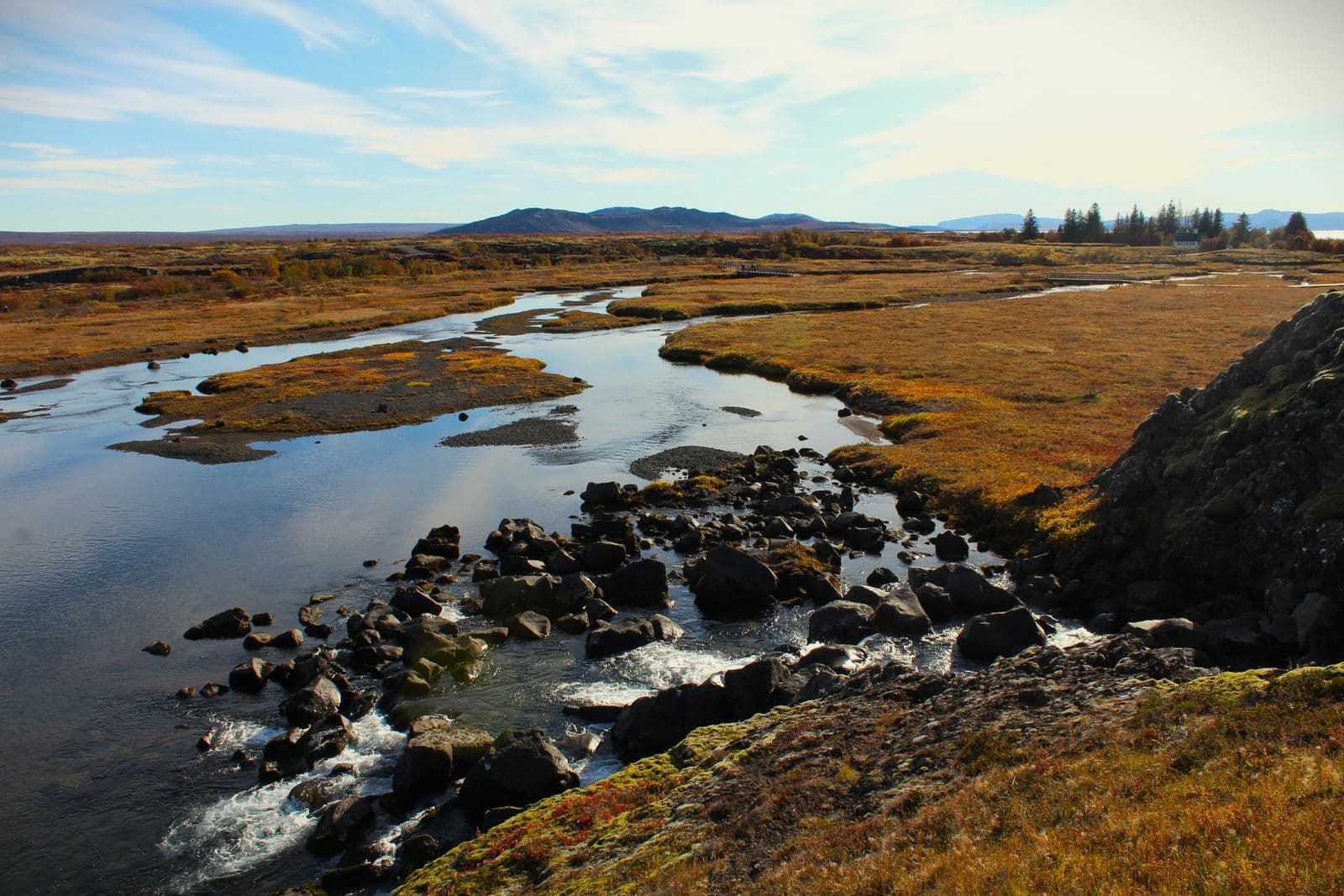
Summer gets the crowds and winter gets the northern lights headlines, but Iceland in October and September deserves more attention. The tundra turns shades of orange, red and gold, the nights are dark enough for the aurora, the long hours of daylight have not yet disappeared and the busiest season has passed. If you are flexible about weather, autumn can be an excellent time to visit.
What Iceland in October and September is like
Autumn is a season of change, and conditions shift quickly through the weeks. Early September can feel like a milder end of summer. By late October, days are much shorter and the weather can turn wintry, with the first snow and ice in some places.
- Colours: the ground cover and shrubs turn rust and gold, usually peaking around late September, depending on the year and the region.
- Crowds: fewer visitors than in peak summer, though popular places can still be busy.
- Daylight: noticeably shorter each week as you move from September into October.
- Weather: changeable, with wind and rain common, and the first snow possible, especially later in the season and at height.
The mood changes as well as the weather. Evenings draw in, cafés and guesthouses feel cosier and the landscape takes on a quiet, golden light that many photographers prefer to the harsher light of high summer.
Daylight in September and October
Around the September equinox, day and night are roughly equal in length. After that, daylight drops quickly, and by the end of October the days are far shorter than in summer. This matters for planning: a long day trip that is easy in July may need to be shortened in late October. Plan your most scenic stops in the middle of the day.
Northern lights in autumn
Because nights are dark again, the northern lights season starts in autumn. Cloud cover is often the limiting factor, so a flexible schedule helps. As always, the lights can never be guaranteed. Our guide to the northern lights in Iceland explains the basics, and our forecast guide explains how to read the numbers.
What to do in autumn
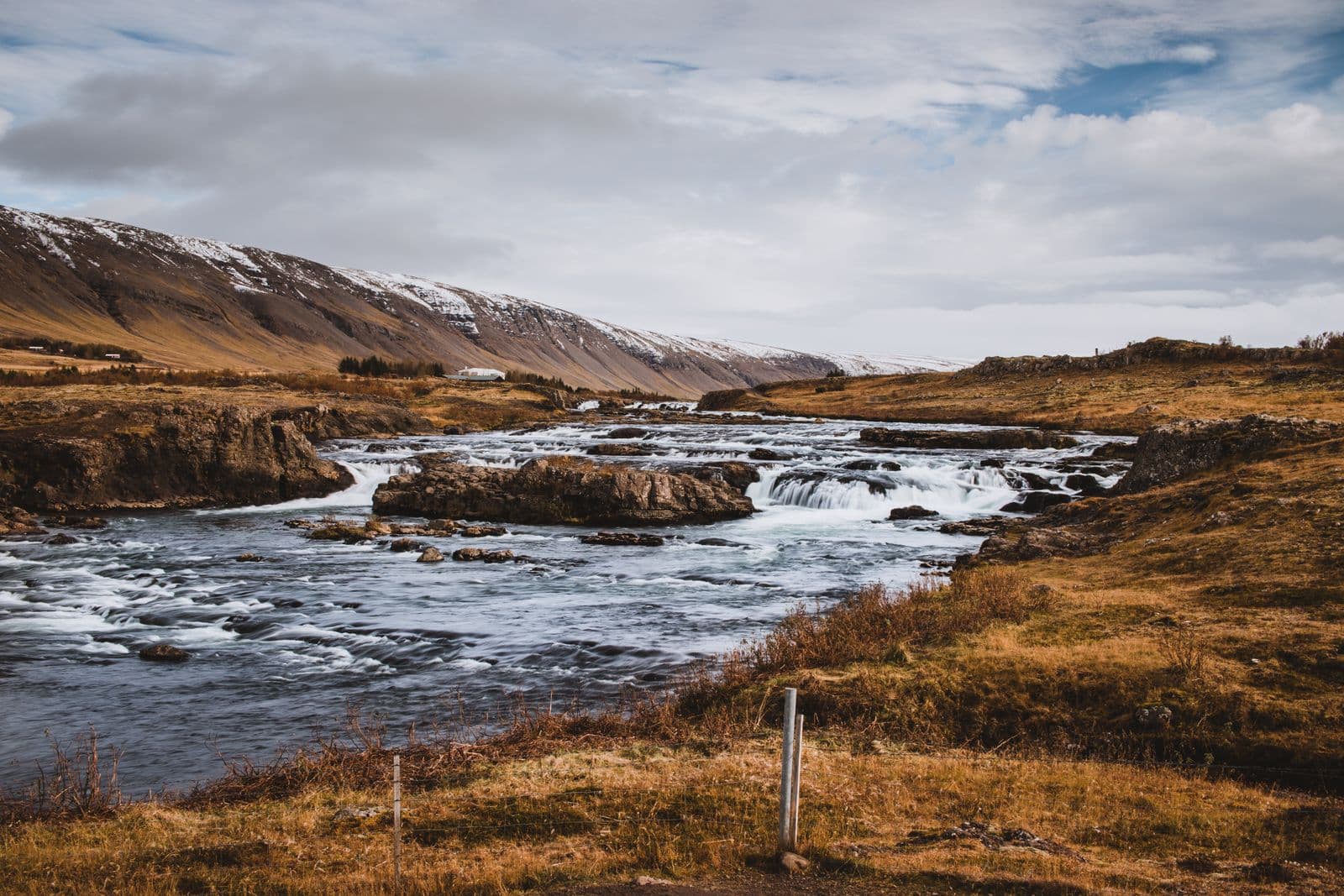
- Walk and photograph the autumn colours in places such as Þingvellir. See our Golden Circle guide.
- Visit waterfalls on the South Coast, where the surrounding moss and grass often turn golden.
- Soak in a geothermal pool as the evenings cool down.
- Look for the northern lights on clear, dark nights.
- Watch for the autumn sheep round-ups (réttir) in the countryside in September, if your timing and route allow it.
Autumn is also a quieter time for towns and attractions, and in some places opening hours shorten as the season ends. If you have a specific museum, spa or tour in mind, check its current hours and booking requirements before you go.
Roads and driving in autumn
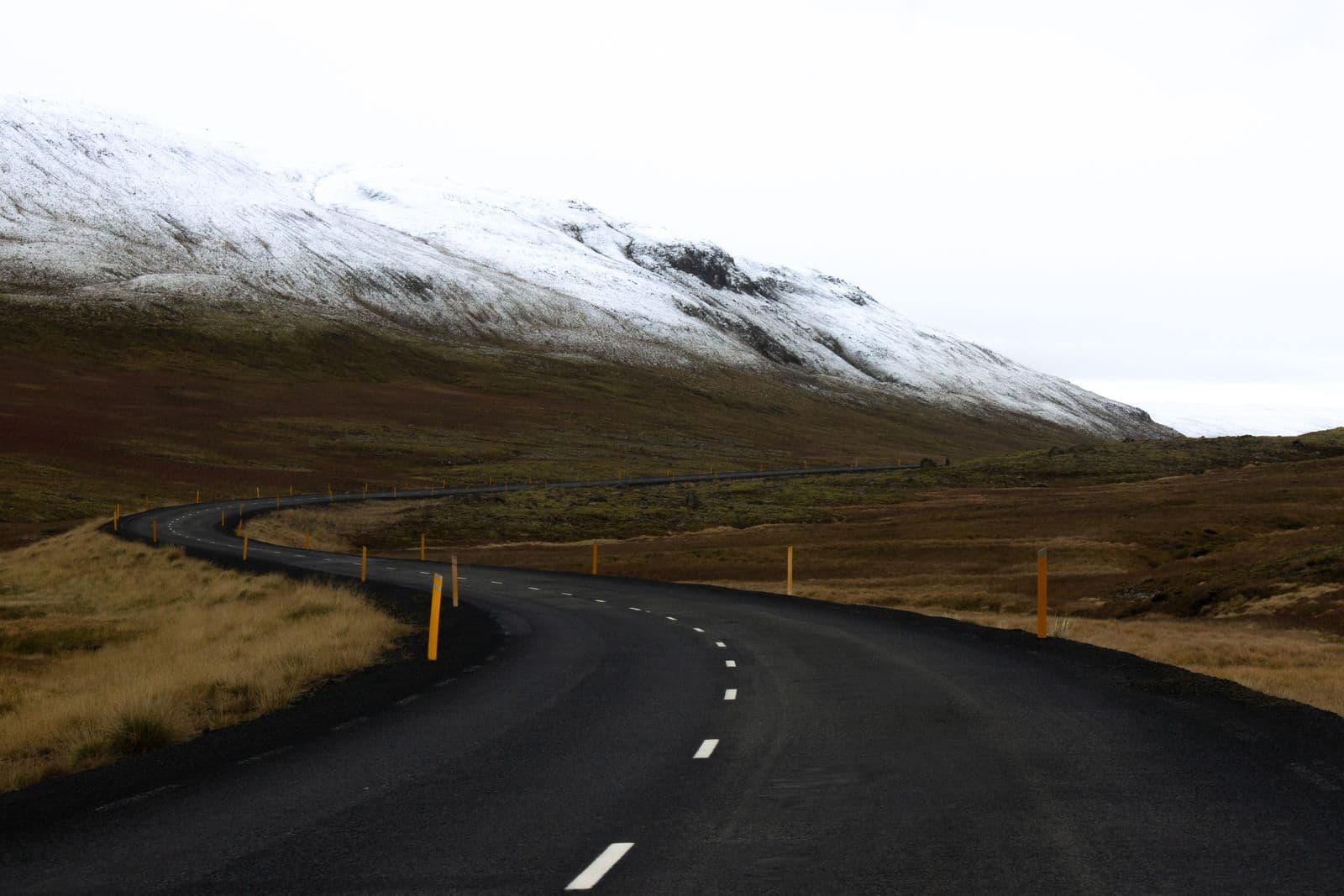
Main roads are usually fine in September and often in October, but conditions get harder as winter approaches. Wind, rain and early ice are the main hazards. Mountain roads in the highlands typically close for the season, so those areas are mostly out of reach by the end of the season. Always check the official road and weather services on the day. Our guide to driving in Iceland in winter explains why many visitors prefer a driver once conditions turn.
If you are choosing between months, September usually feels closest to summer, with longer days and easier driving, while October brings stronger northern lights chances and a more wintry mood. Many travellers find the sweet spot is somewhere in between, around the end of September or the first half of October.
What to pack
- Waterproof jacket and trousers, because rain and wind are common.
- Warm layers that you can add and remove, including a hat and gloves.
- Sturdy, waterproof shoes with good grip.
- A swimsuit for the pools.
- A power bank and a head torch if you plan to be out after dark.
Our full list is in what to pack for Iceland.
Getting around in autumn
Shorter days and changeable weather make autumn a good time for a private tour with your own driver. Your driver watches the weather and the clock, you decide where to stop, and you can relax in a warm car. Our private tours use Economy (Tesla) for 1 to 4 passengers, Van (Mercedes Vito) for 5 to 7 and a minibus for 8 to 16 on request, at a fixed price per car. Message us on WhatsApp at +354 777 3949 for questions.
FAQ
Yes, if you accept changeable weather and shorter days. You get fewer crowds than in summer, autumn colours early in the month and a chance of northern lights.
Possibly. Nights are dark again, but the lights can never be guaranteed because they depend on clouds and solar activity.
It is cool and often windy and wet rather than extremely cold. Layers and waterproofs are the key.
Main roads are generally open, but weather can change fast and first snow or ice is possible. Check road conditions daily or travel with a driver.
Main routes usually are, but highland mountain roads typically close for the season. Check the official road service before you plan.
Travel tips
More in Seasons & weather


 Seasons & weather
Iceland in Winter: Daylight, Weather, Roads and What to Expect
What is Iceland really like in winter? Short days, changeable weather, snowy roads and northern lights: an honest guide to planning a winter trip.
Read more Seasons & weather
Iceland in Summer: Midnight Sun, Puffins and Long Days Outside
What is Iceland in summer really like? Midnight sun, puffin season, green valleys and long evenings, plus honest advice on weather, crowds and what to book early.
Read more Seasons & weather
Iceland Weather Month by Month: Temperatures, Daylight and Tips
Iceland weather by month: approximate temperatures in Reykjavík, how daylight changes through the year and what to pack and plan for in every season.
Read more