
South Coast & Vík
Seljalandsfoss · Skógafoss · Reynisfjara · Vík

Car
1–4 people
125,000 kr
Van
5–7 people
160,000 kr


Drive Reykjavik team · 7 min read · October 2026
We spend our days on Iceland's roads: airport runs at 4 am, Golden Circle days, long transfers to the north and east. Over the years you learn what no guidebook tells you: which viewpoint is worth the extra ten minutes, where the wind hits hardest, when a waterfall is in the sun and when it is just grey. This trip was a chance to put some of that on camera.
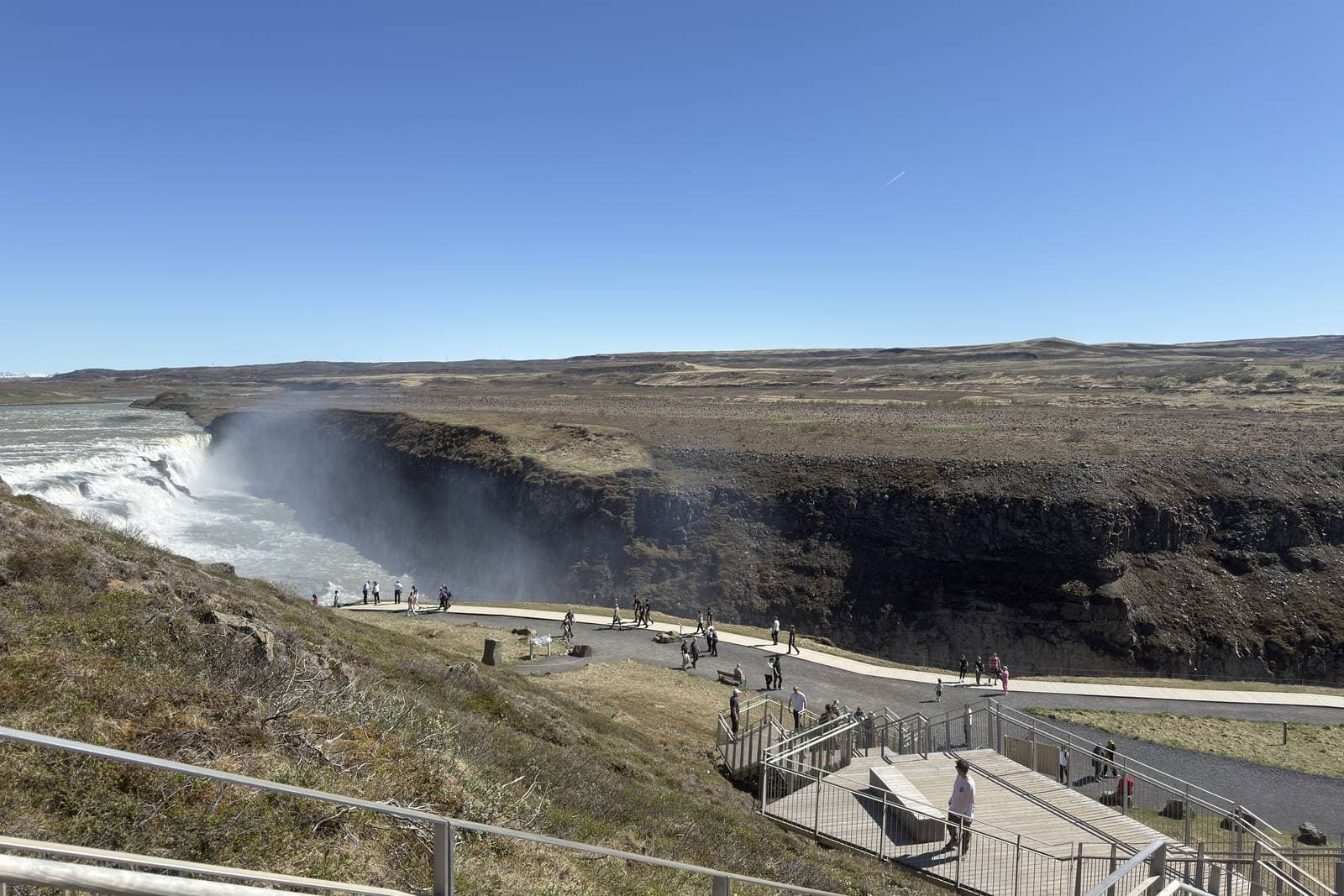
We started on the Golden Circle and reached Gullfoss around noon. In May the paths are usually clear of snow and the upper viewpoint gives the best overview of the two drops into the canyon. Arrive before the tour buses or late in the afternoon for a calmer visit.
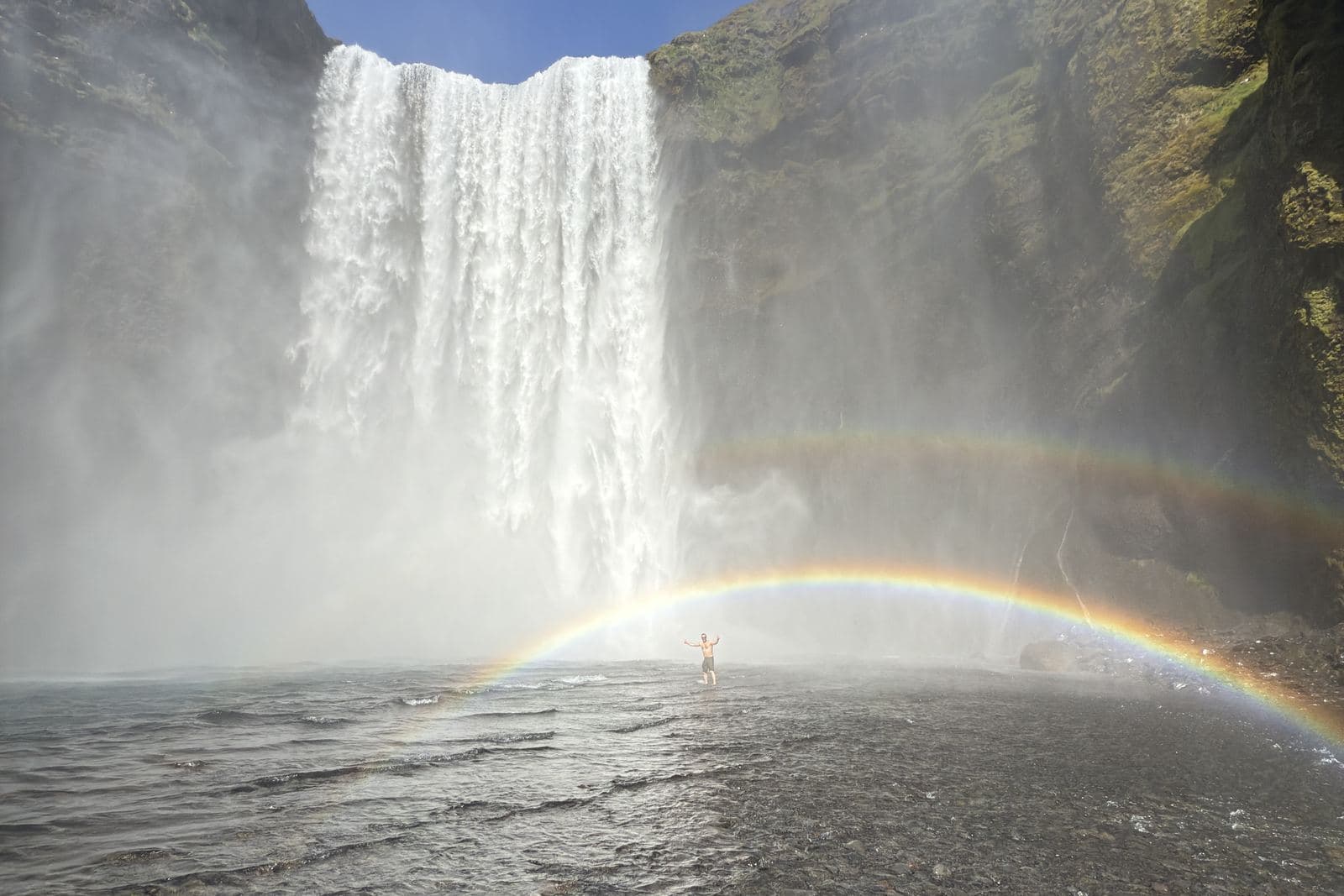
From Gullfoss we drove south to the coast. At Seljalandsfoss the path around the back of the waterfall was open; bring a waterproof jacket, because you will get wet. Half an hour further east, Skógafoss showed what makes the South Coast special in good weather: a full rainbow in the spray, right at the foot of the falls.
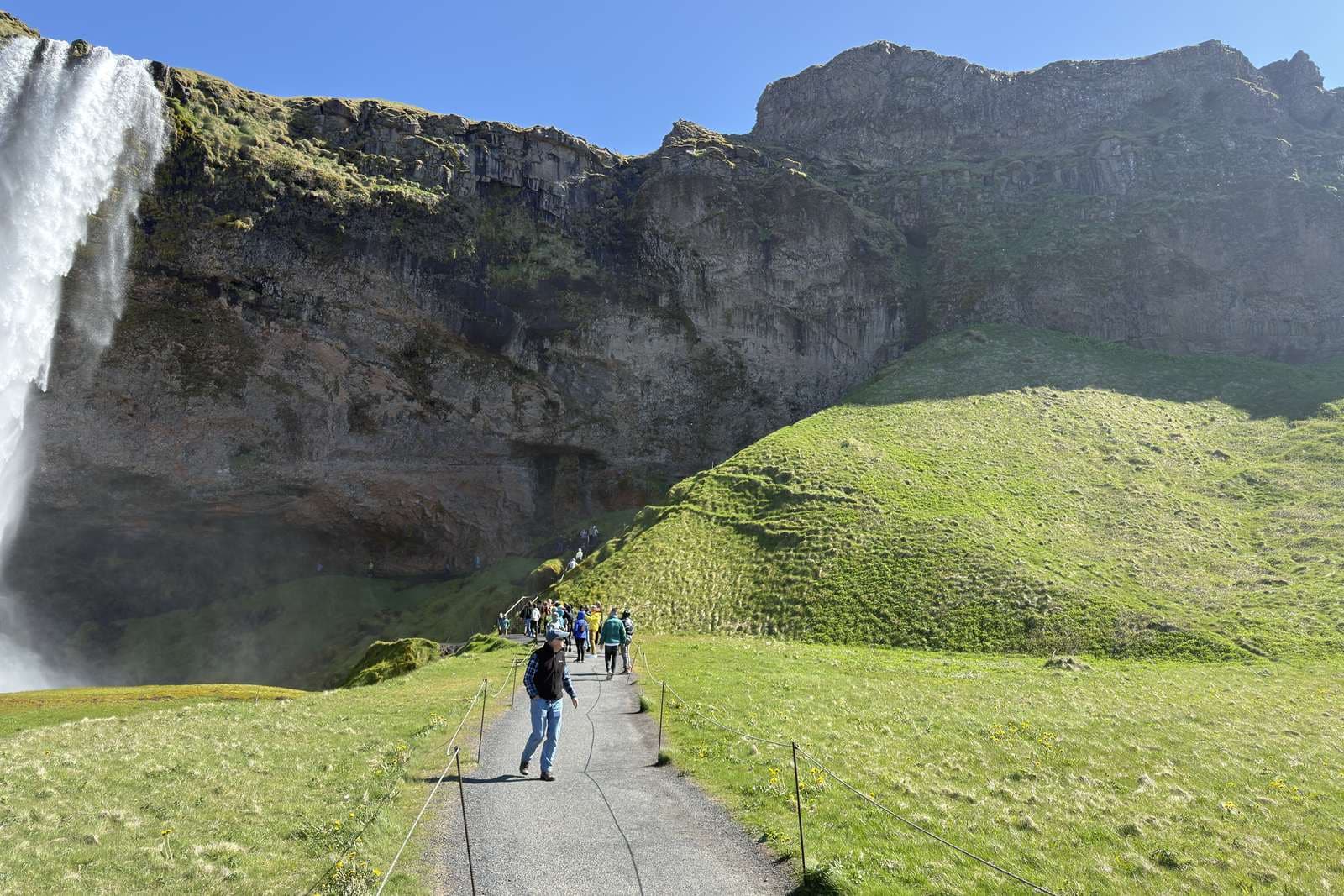
Both waterfalls are on our South Coast private tour, and Gullfoss is on the Golden Circle tour. For more detail, read our Seljalandsfoss and Skógafoss guide.
Seljalandsfoss · Skógafoss · Reynisfjara · Vík
Car
1–4 people
125,000 kr
Van
5–7 people
160,000 kr
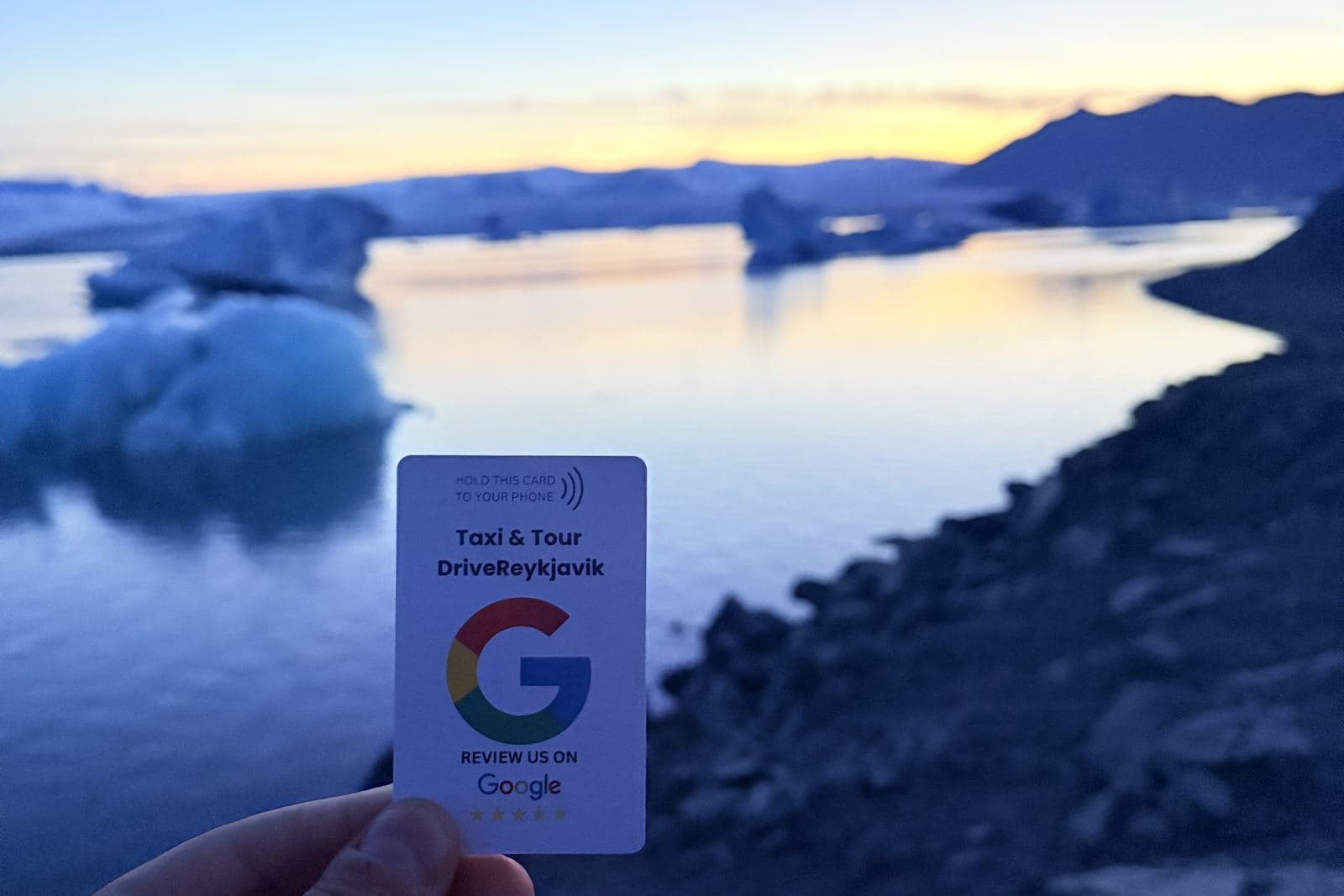
We kept driving east and reached Jökulsárlón after midnight. In the second half of May the sun sets around 22:30 to 23:00 and the sky stays light all night, so icebergs at half past midnight look like this: pink, orange and blue, with almost nobody around. It is one of the best reasons to visit Iceland in late spring.
The glacier lagoon is about five hours' drive from Reykjavík each way, so as a day trip it makes for a very long day. Our Jökulsárlón private tour does it in one go; with more time, staying a night near Vík or Höfn is more relaxed. See our Jökulsárlón day trip guide and the nearby Diamond Beach.
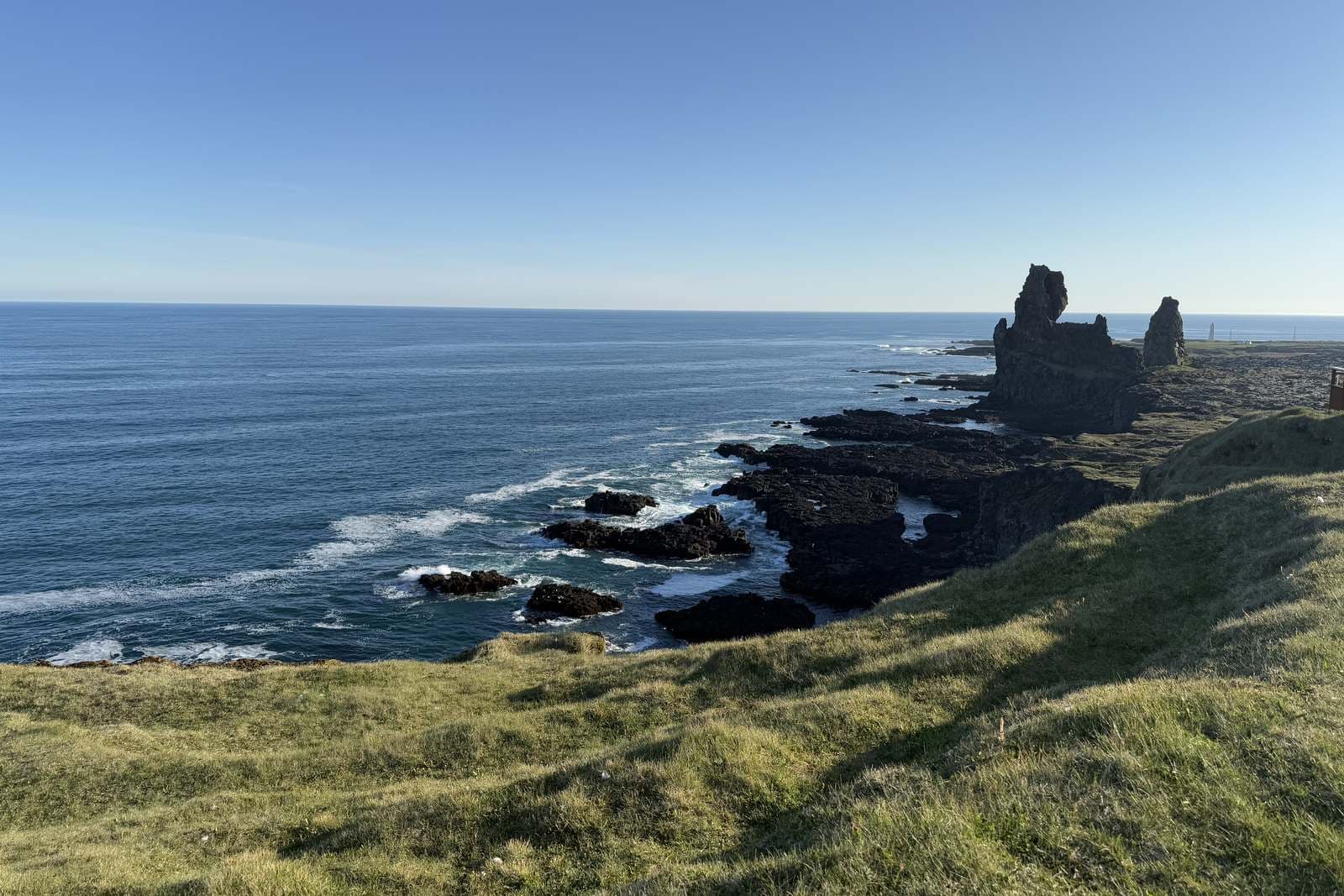
Day two was the longest drive of the trip: from the glacier lagoon all the way back west to the Snæfellsnes peninsula. We would not recommend this pace to anyone on holiday, but it shows how far you can get in a day in good weather. The reward was the evening light at Lóndrangar, two basalt stacks rising from the sea on the south side of the peninsula, with the Atlantic completely calm.
From Reykjavík, Snæfellsnes is a great full day trip: Kirkjufell, Arnarstapi, Djúpalónssandur and the glacier on the horizon. Read our Snæfellsnes day trip guide or book the Snæfellsnes private tour.
Kirkjufell · Arnarstapi · Djúpalónssandur · Snæfellsjökull
Car
1–4 people
123,000 kr
Van
5–7 people
151,000 kr
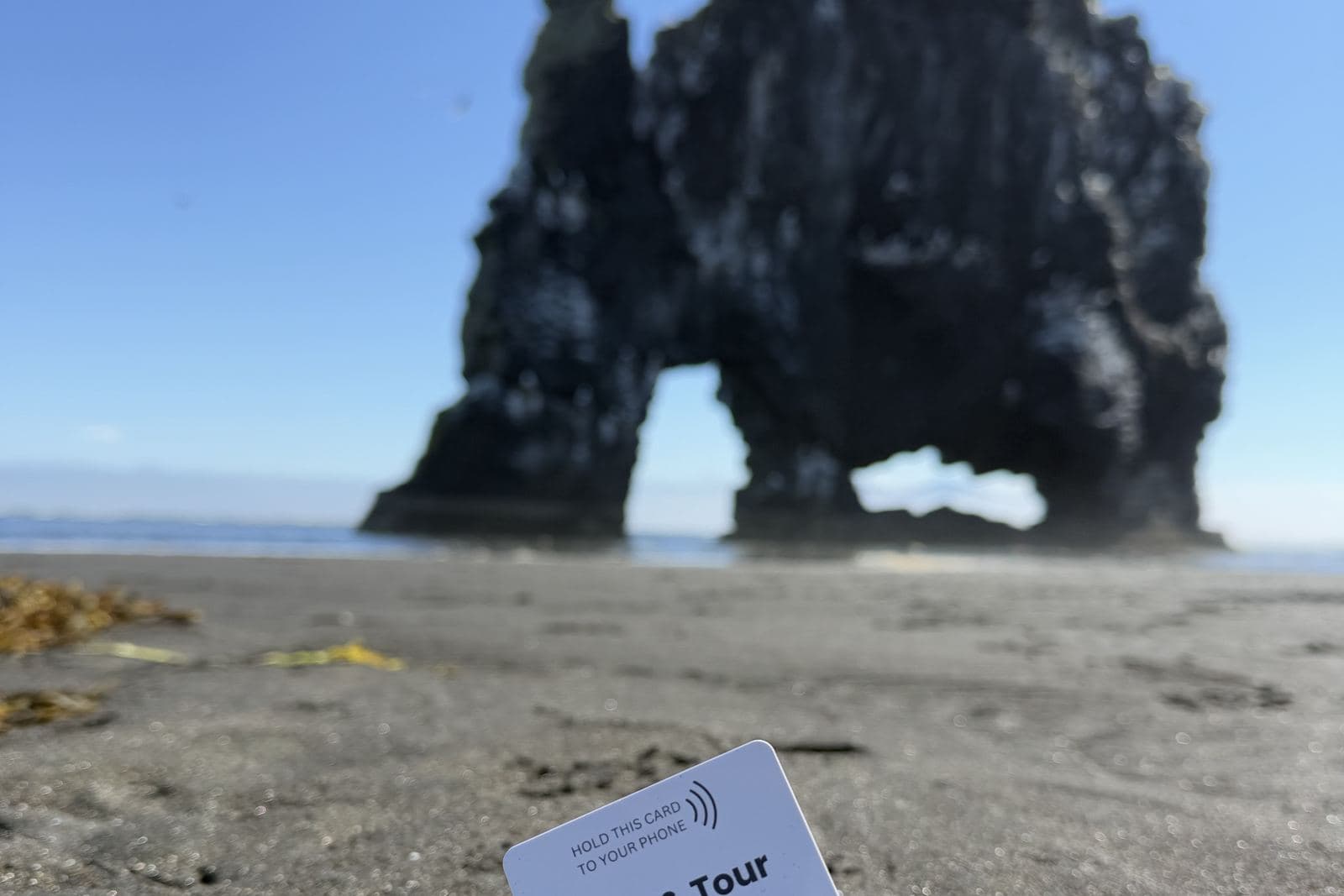
On day three we headed north. Hvítserkur, a 15-metre basalt stack that looks like a dragon drinking from the sea, is a short detour from the Ring Road on a gravel road along the Vatnsnes peninsula. A steep path leads down to the black beach. More in our Hvítserkur guide.
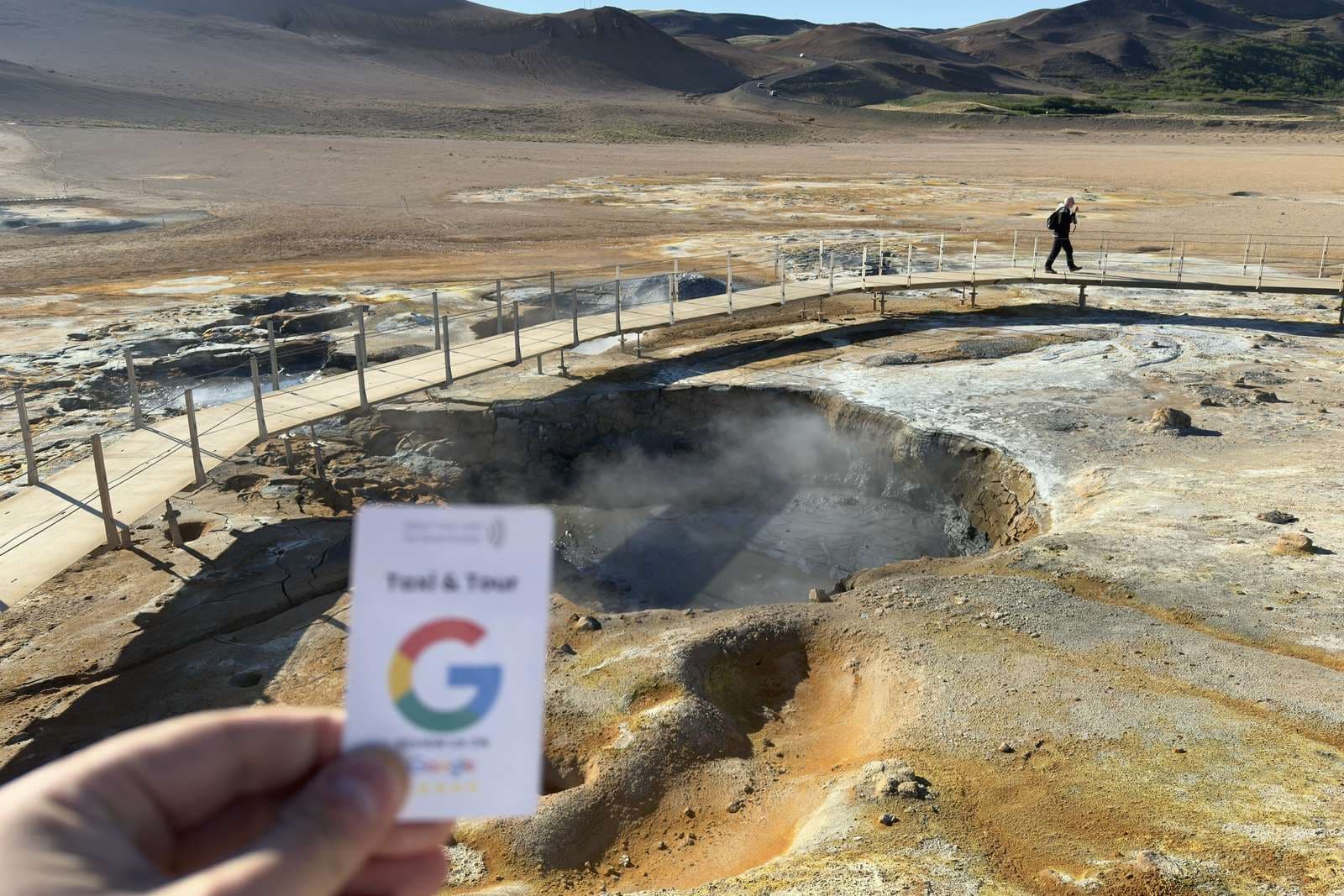
In the early evening we reached the Mývatn area and stopped at Hverir, where the ground is orange, yellow and grey and mud pots bubble next to the path. Stay on the marked paths and boardwalks: the crust can be thin and the water is boiling. See the Hverir and Námafjall guide and our Lake Mývatn guide.
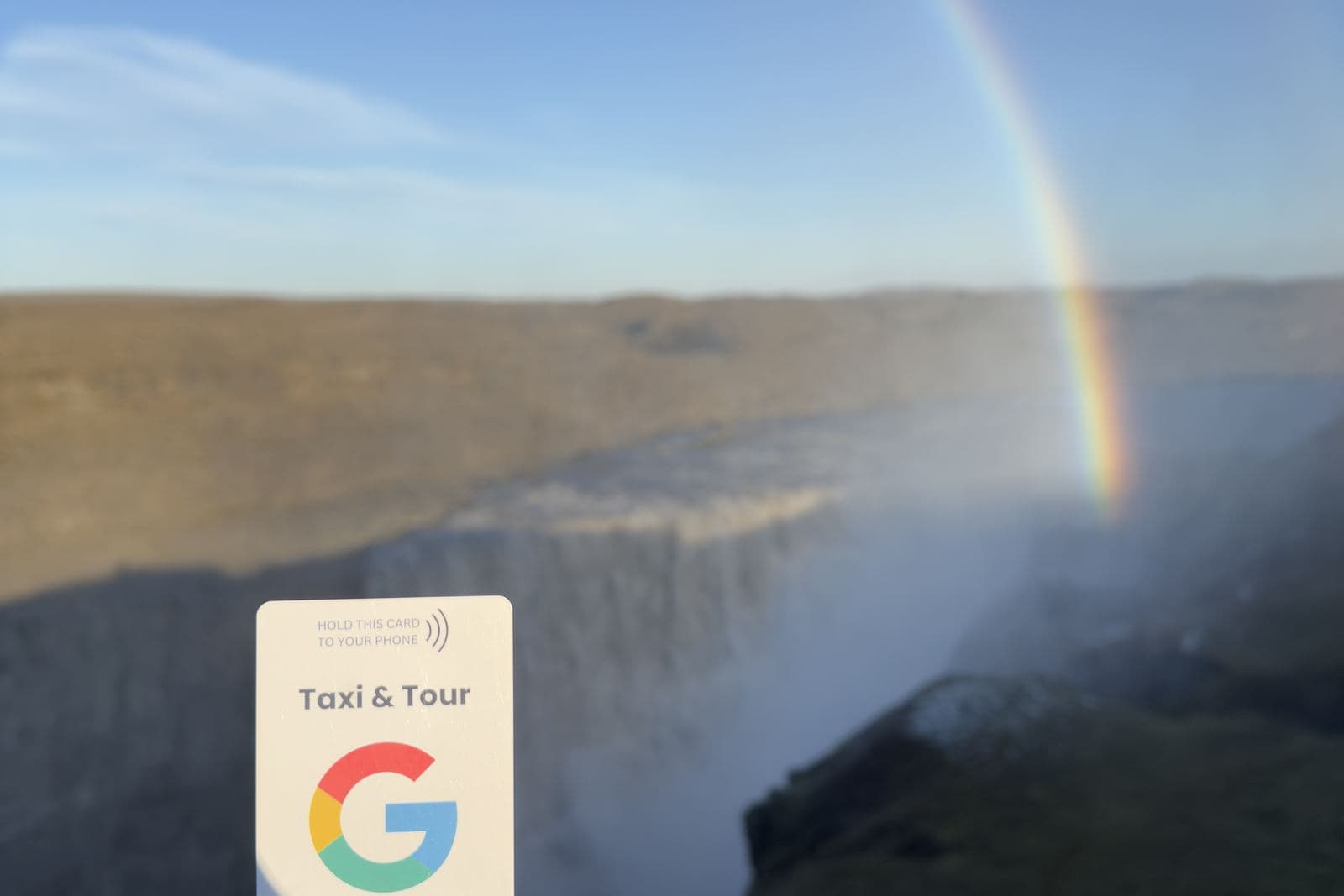
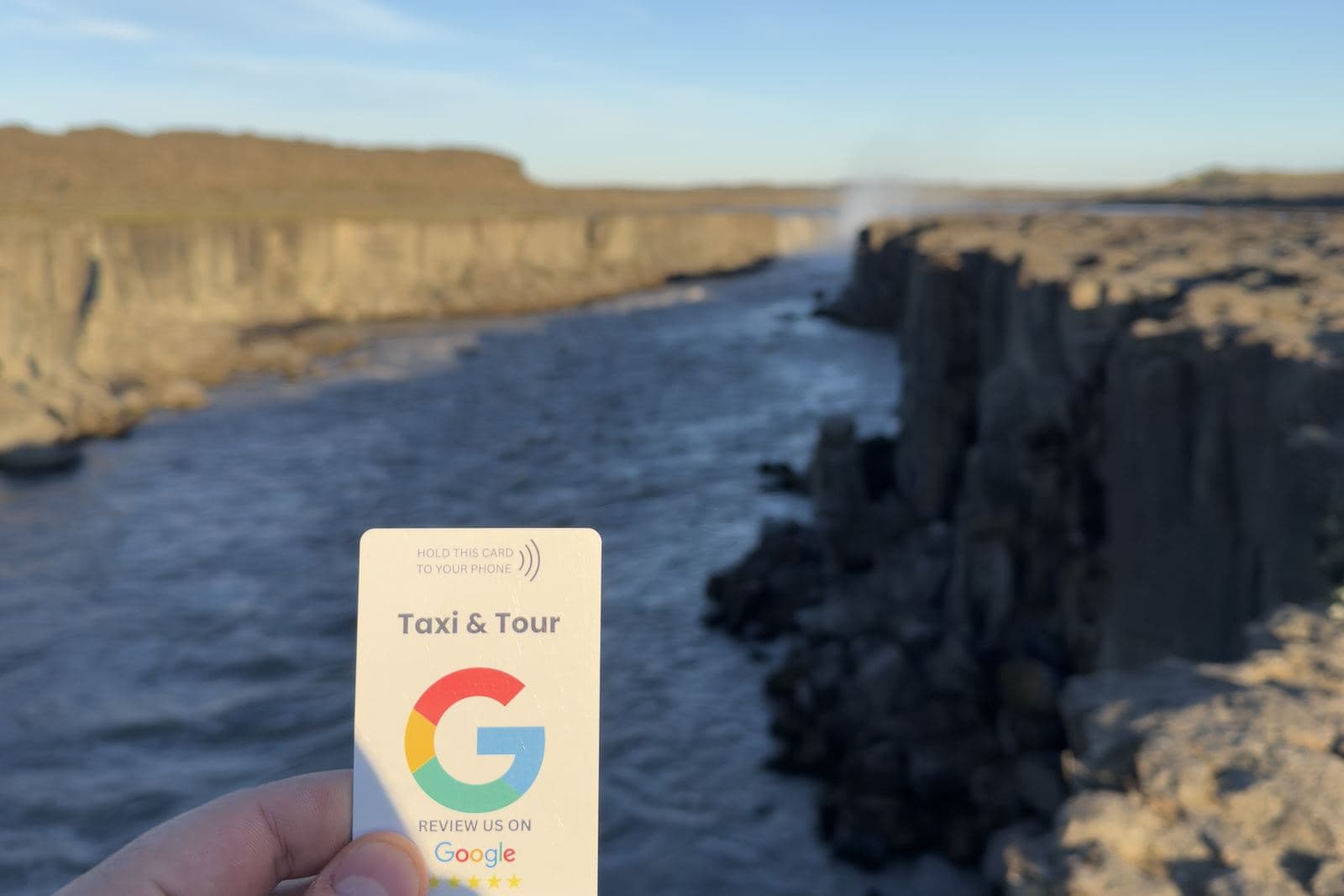
Then on to Dettifoss, the most powerful waterfall in Europe, and a short walk upstream to Selfoss, where the river splits into dozens of falls over a wide basalt edge. At 20:30 in May the sun was still high enough to throw a rainbow over the spray. The canyon below, Jökulsárgljúfur, is part of Vatnajökull National Park.
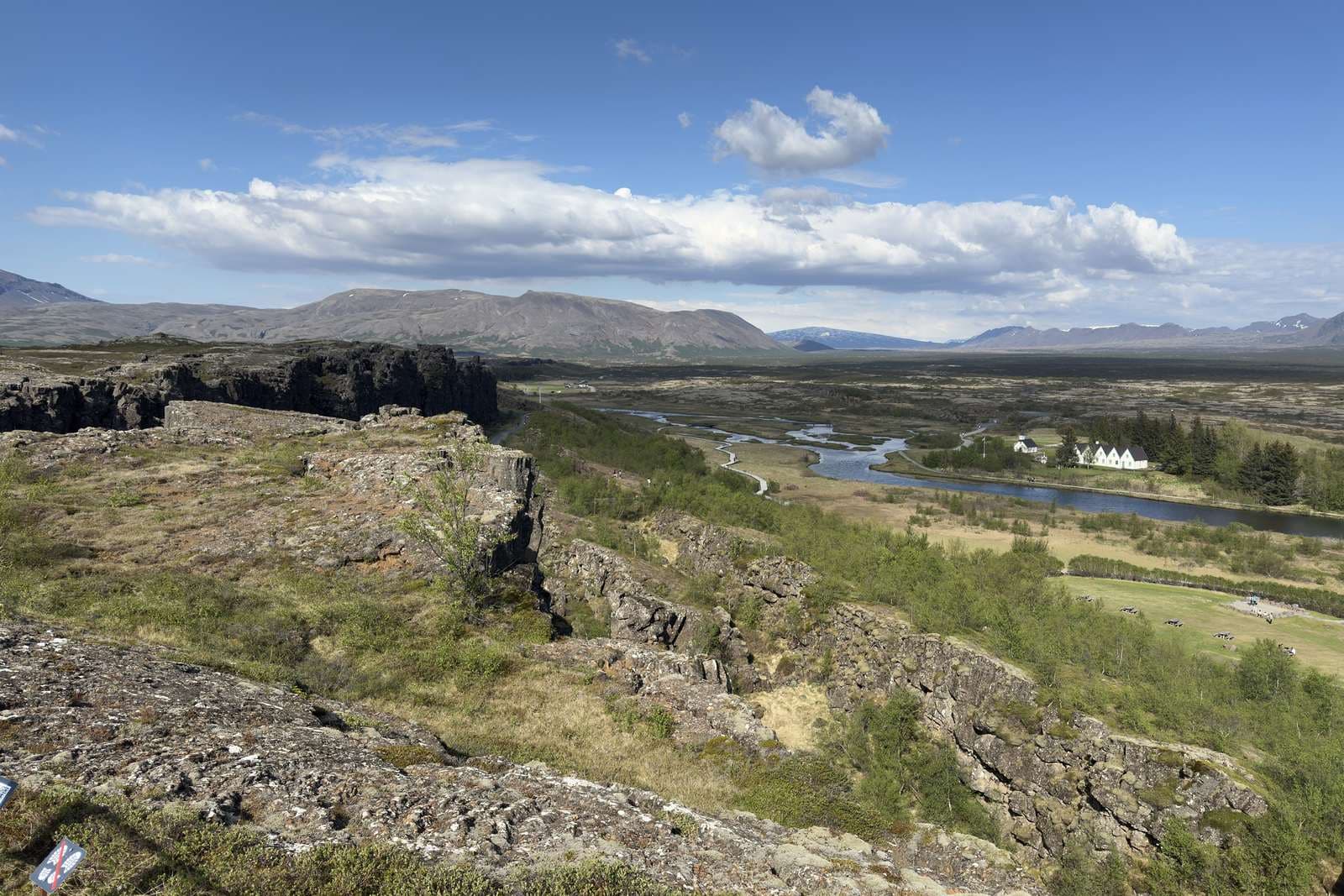
Driving back south, we finished where most trips start: Þingvellir, the rift valley where the North American and Eurasian plates pull apart and where Iceland's parliament met for centuries. In late May the moss is turning green and the light stays soft all evening. On the last day, a soak at the Blue Lagoon close to the airport closed the loop. More in our Þingvellir guide.
You do not need to drive two thousand kilometres yourself to see these places. From Reykjavík, our private day tours cover the south and west with your own driver:
For the north, we drive private transfers from Keflavík Airport or Reykjavík straight to Mývatn or Akureyri, and multi-day private trips are possible on request. Send us your dates and ideas on WhatsApp and we will reply with a fixed price per car.
Yes. Every photo in this article was taken by our team during a trip in May 2025; the times in the captions come from the camera.
You can drive it, as we did, but it means very long days in the car. For a holiday, seven to ten days for the Ring Road is much more comfortable.
Yes. The evenings are long and light, most roads are open, and there are fewer visitors than in summer. Some highland roads stay closed until later in the season.
Yes, on request. Message us on WhatsApp with your dates, the number of people and the places you want to see, and we will send a fixed price.
Our Google review card. It travels with us, and guests can tap it with their phone to leave a review after the trip.
Travel tips
 Itineraries & road trips
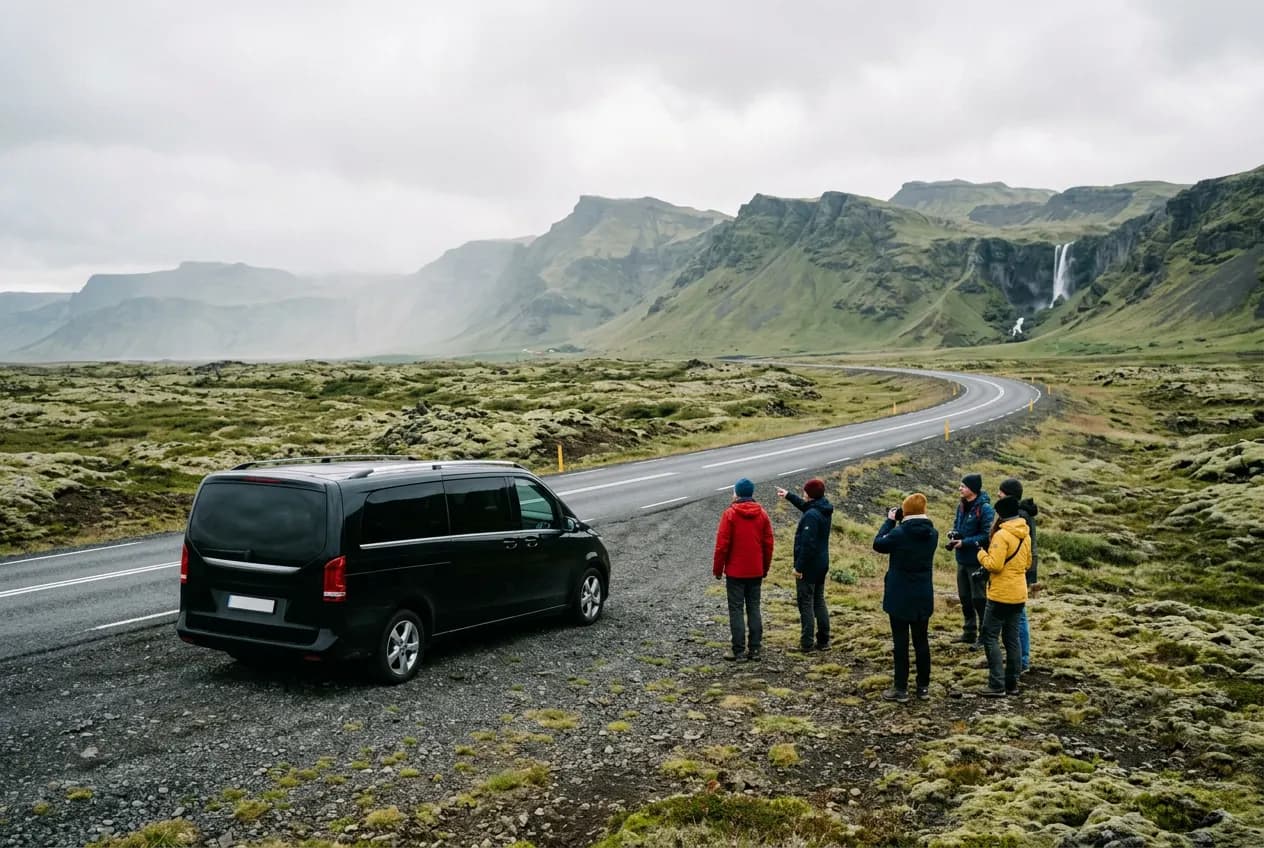
Having your own driver for a day in Iceland: fixed-price private tours from Reykjavík, custom days, what is included, prices for the Golden Circle, South Coast and Snæfellsnes, and when it beats a rental car or a bus tour.
Read more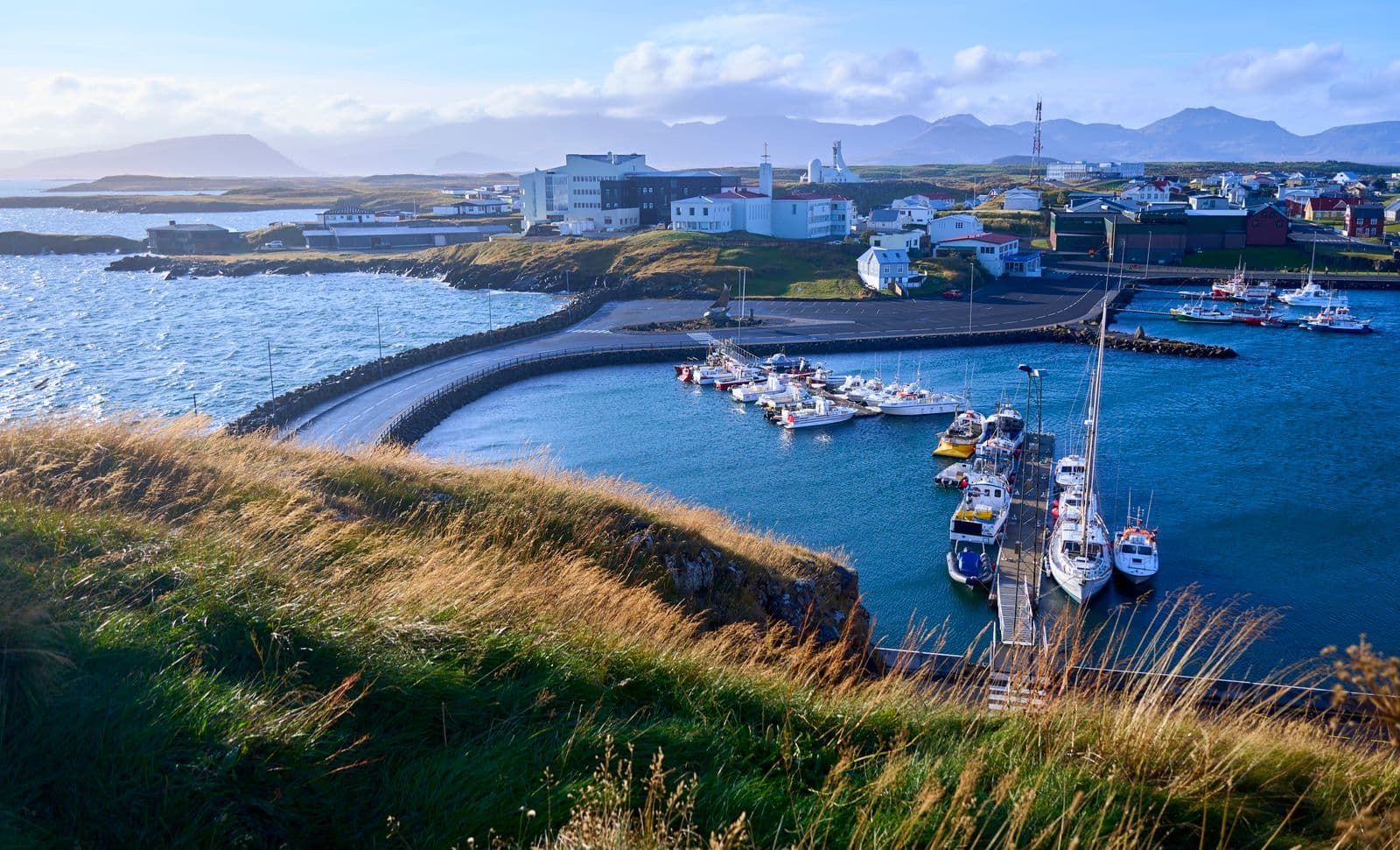 Itineraries & road trips
From Stykkishólmur on Snæfellsnes to the mountain road into Seyðisfjörður: a road trip through the Iceland filming locations of The Secret Life of Walter Mitty.
Read more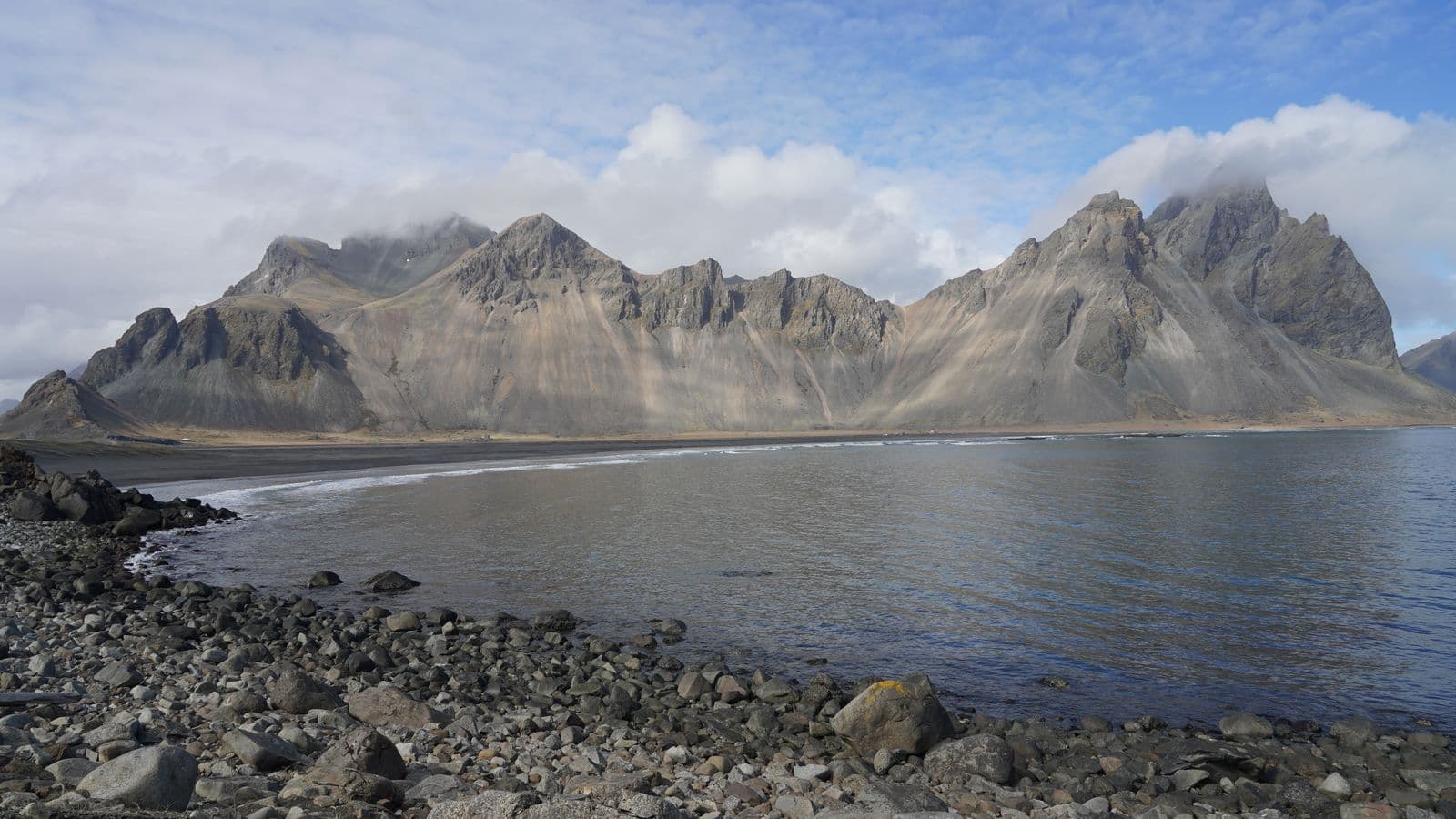 Itineraries & road trips
Waterfalls, black sand, glaciers and the lagoon, then on to Höfn and Djúpivogur. A relaxed 2–3 day south coast plan with stops, distances and practical tips.
Read more