
 Manage booking

South Coast + Jökulsárlón Glacier Lagoon
Seljalandsfoss · Skógafoss · Reynisfjara · Vík · Glacier lagoon

Car or Van
1–7 people · same price
195,000 kr


Drive Reykjavik team · 10 min read · September 2026
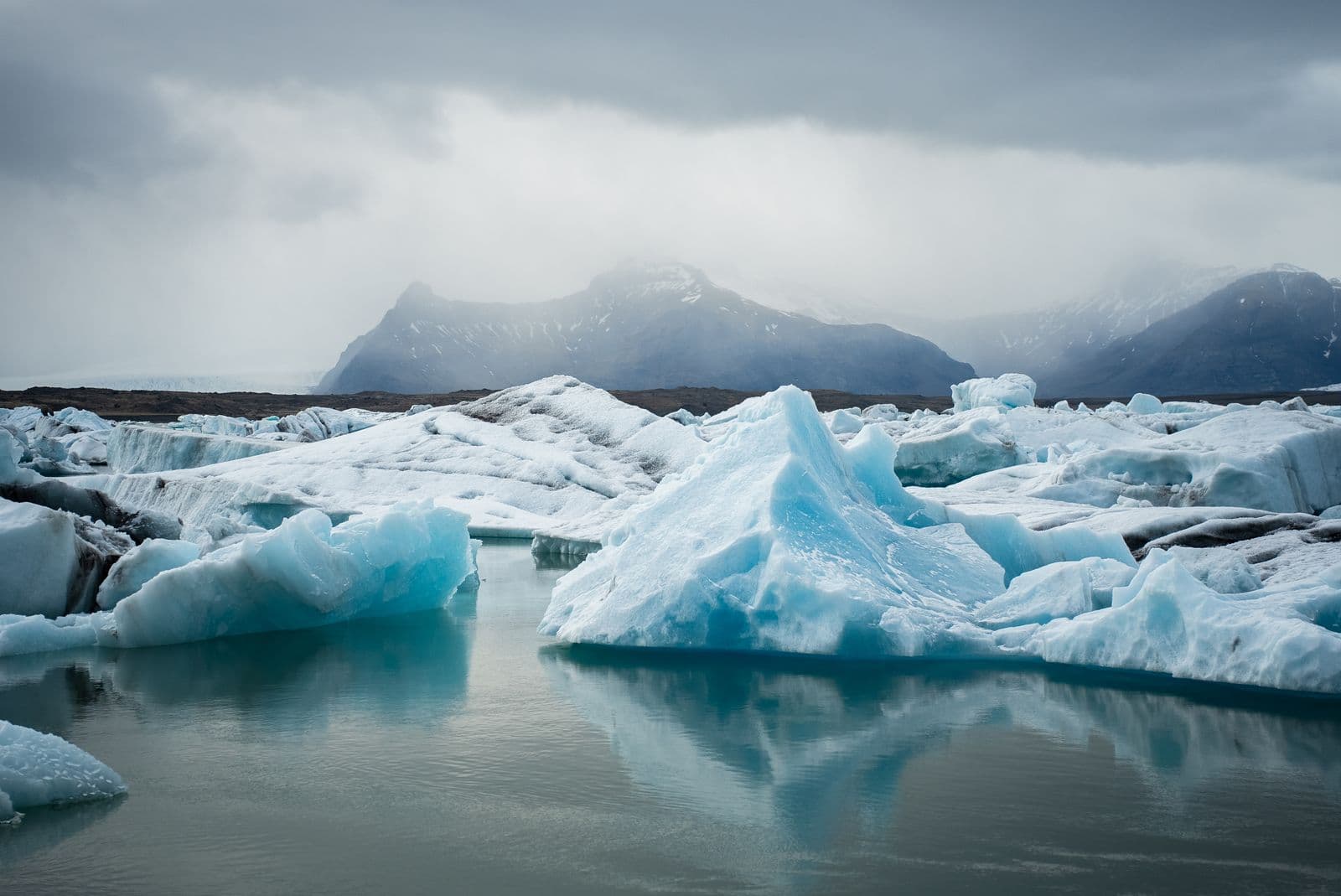
Iceland's south coast is the classic road trip: waterfalls you can walk behind, black sand beaches, glacier tongues and the icebergs of Jökulsárlón. Most visitors see it in a single long day from Reykjavík and turn back at the lagoon. Keep going, though, and the road continues to Höfn, a harbour town with views of Vatnajökull, and on to Djúpivogur, the first village of the Eastfjords.
Covering all of that in one day is possible, but it means a lot of time in the car and very little at each stop. Spread over two or three days, it becomes one of the most rewarding stretches of the Ring Road. This plan shows how to split it, what to see on each day and what to keep in mind along the way.
The whole route follows Route 1, the Ring Road, eastwards from Reykjavík. These approximate road distances help you plan each day; driving times depend heavily on weather, traffic and how often you stop.
If you start from Keflavík Airport rather than Reykjavík, add about 50 km to the first day. In total, the route from Reykjavík to Höfn alone is around 460 km, which is why we recommend at least two nights on the way.
There are several ways to do this trip, and the right one depends on your group, your confidence on Icelandic roads and how much time you have.
Our transfers start from Keflavík Airport or Reykjavík. If you would like to split the journey over several days with a driver, message us on WhatsApp at +354 777 3949 and we will tell you what is possible for your dates.
The first day is the shortest in distance but packed with stops, so leave in the morning. After Selfoss and Hvolsvöllur, the mountains close in on the left and the waterfalls begin.
Spend the night in or near Vík, a small village under green cliffs with a red-roofed church on the hill. Our Vík travel guide and our guide to Seljalandsfoss and Skógafoss have more detail on this part of the route.
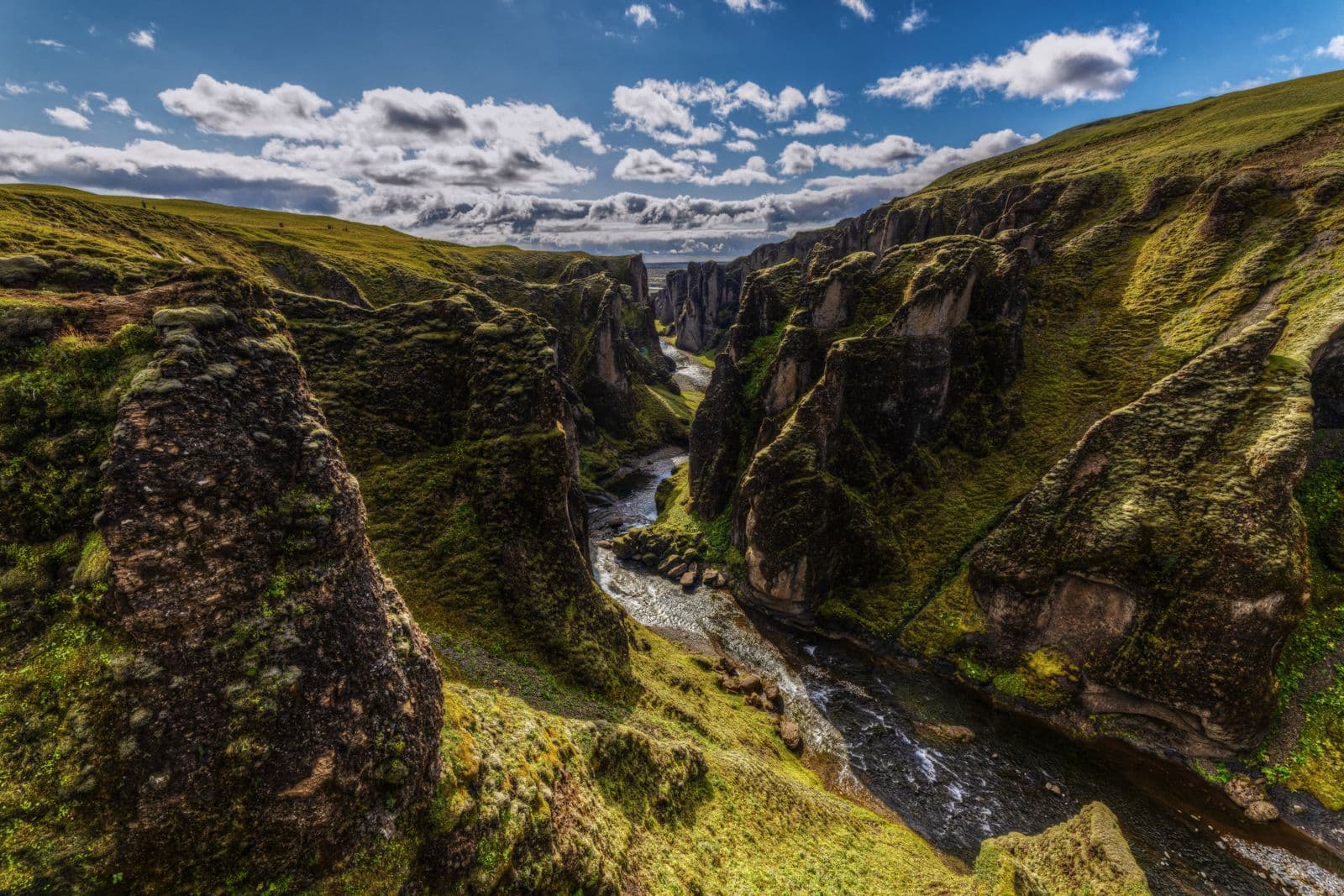
Day two is the longest and the most varied. East of Vík, the road crosses Mýrdalssandur, then the vast moss-covered lava field of Eldhraun. Stay on the road and marked paths here: the moss is extremely fragile and takes many years to recover.
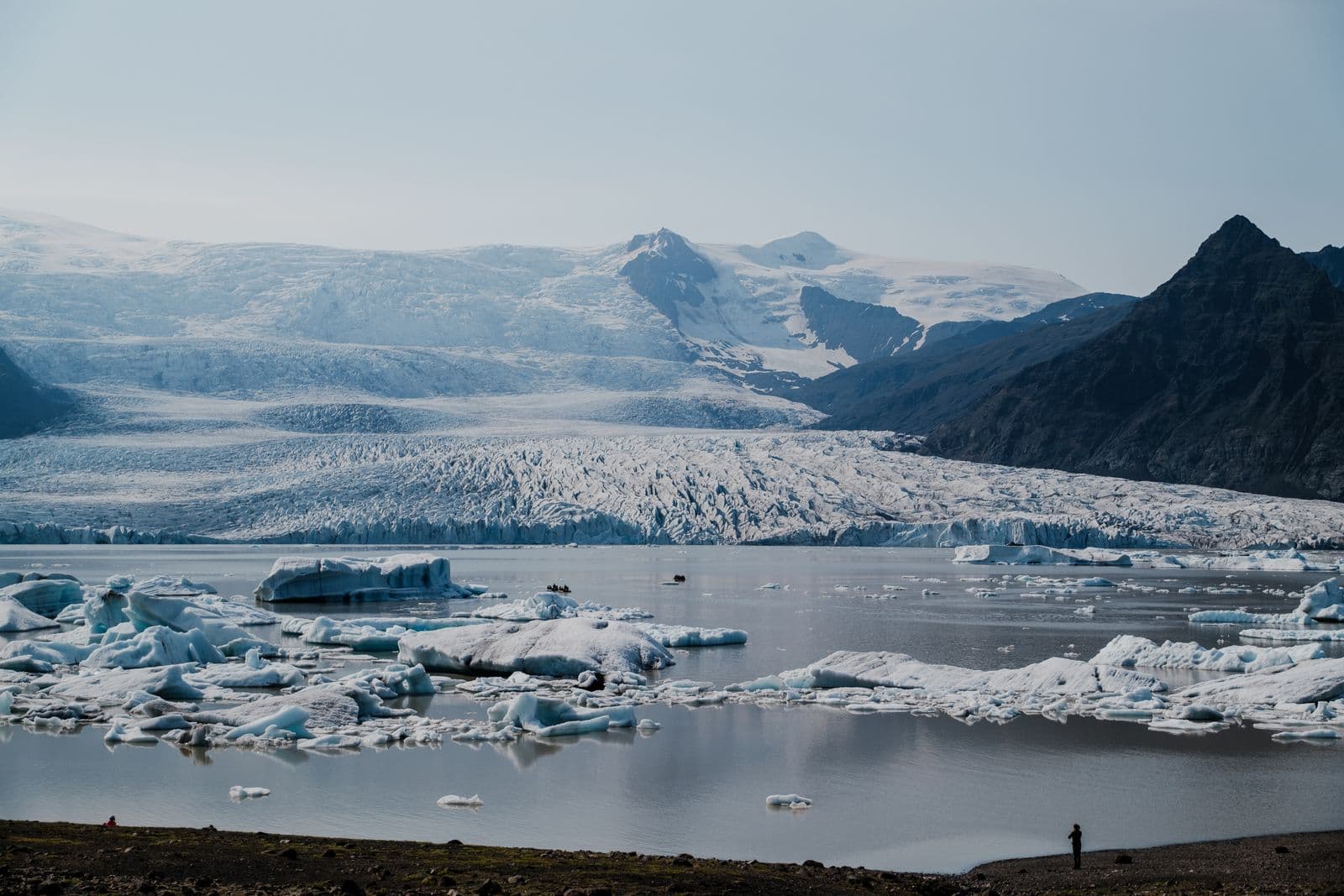
From Jökulsárlón it is roughly an hour more to Höfn, where you spend the night. Höfn sits on a low peninsula with the glaciers of Vatnajökull on the skyline, and it is known for its langoustine, which you will find on many local menus. Our Jökulsárlón day trip guide covers the lagoon in more depth.
The third day is short in distance, which leaves time to enjoy the scenery. Start with a walk around Höfn's harbour, then head east.
From Djúpivogur you can continue north into the Eastfjords towards Egilsstaðir, which our East Iceland guide covers, or head back towards Reykjavík. If you are continuing all the way to Seyðisfjörður for the Norröna ferry, read our Seyðisfjörður and Norröna guide.
Seljalandsfoss · Skógafoss · Reynisfjara · Vík · Glacier lagoon
Car or Van
1–7 people · same price
195,000 kr
Three days is the relaxed version described above. If you only have two days, the most comfortable option is to drive from Reykjavík to the area around Kirkjubæjarklaustur on day one, with the waterfalls and Reynisfjara on the way, then continue via Skaftafell, Fjallsárlón and Jökulsárlón to Höfn on day two. Djúpivogur then becomes a short morning trip on the way onwards.
With more than three days, add a night near Skaftafell or Jökulsárlón. That gives you time for a guided glacier walk, a boat trip on the lagoon in the summer season or a longer hike in the national park. Check seasons and book these activities with the operators in advance.
Whatever length you choose, avoid planning too many hours of driving into one day, especially in winter. If you are linking this route with the rest of the country, our Ring Road planning guide and 7-day itinerary are good next steps.
Summer brings long days, open roads and the full range of tours and boat trips, but also the most visitors at the big stops. Spring and autumn are quieter, with a good chance of northern lights from late August onwards on clear, dark nights. Winter has snow-covered scenery and short days; road closures on the south coast are not unusual during storms, so build flexibility into your plan. Our weather guide explains what each month is usually like.
The scenery changes with the seasons too. In June and July the lupins are out along the road, the cliffs are green and you can sightsee late into the evening. In late autumn and winter the glaciers and the black sand stand out against snow, the icebergs on Diamond Beach can glow in the low sun, and the big stops are far less crowded. There is no wrong season for this route, only different ways to plan it.
If you are travelling with us and the forecast for your transfer day looks difficult, we will contact you to discuss the timing, and some stops may have to be skipped for safety.
Around 460 km along the Ring Road via Vík, Skaftafell and Jökulsárlón. It can be driven in one long day, but two or three days lets you enjoy the stops.
Yes, as a long day trip from Reykjavík, but it means many hours in the car. Staying overnight on the way makes the trip much more relaxed.
Vík and the area around Kirkjubæjarklaustur are good first stops, and Höfn itself makes a convenient second base. Book early in summer, as accommodation is limited.
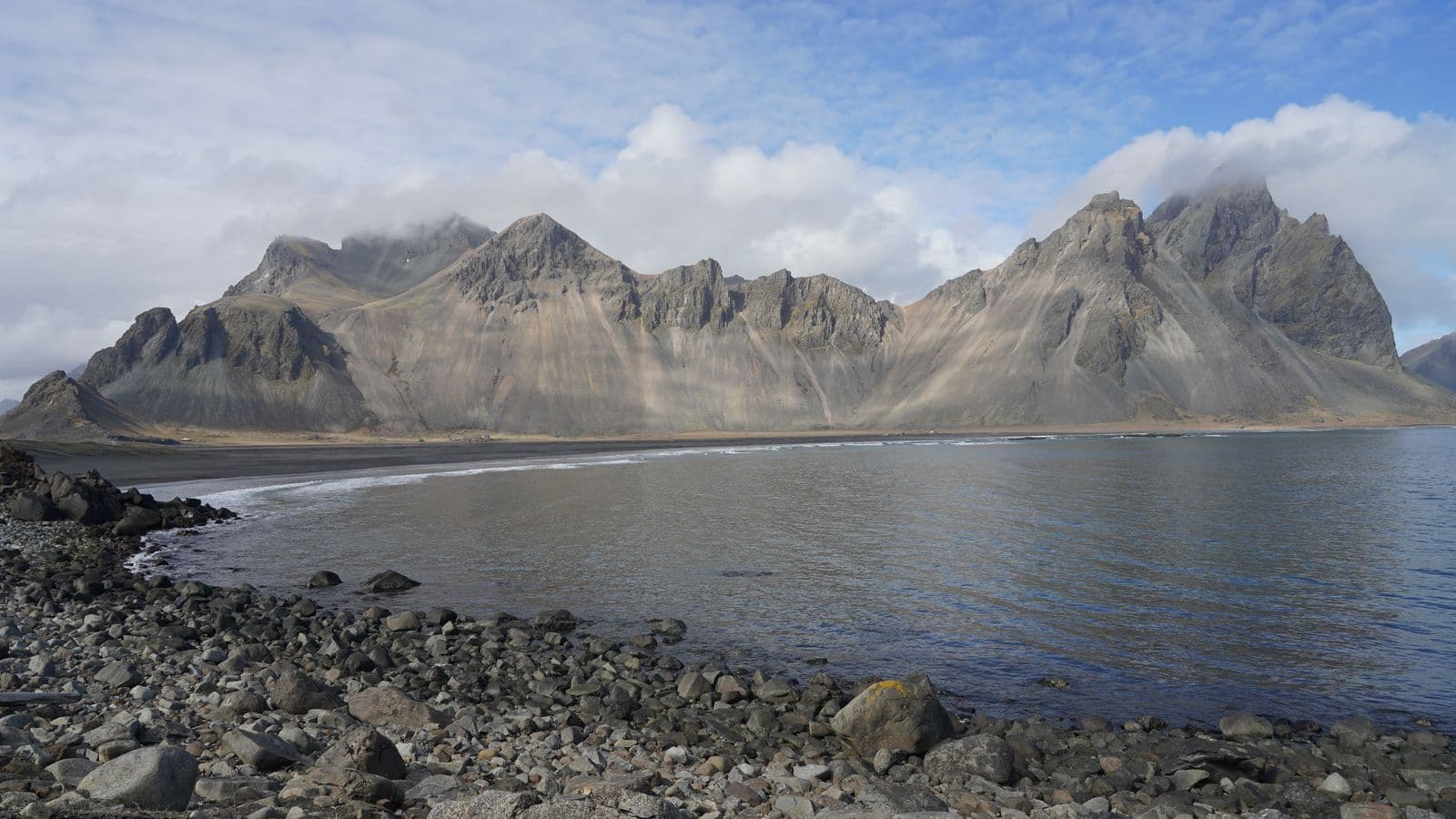
Yes, for the view of Vestrahorn above the black sand dunes. The area is on private land, and there is an entrance fee paid at the café by the access road.
A small harbour village with views of the mountain Búlandstindur, old buildings by the harbour and a row of large granite eggs by the shore at Gleðivík.
Yes. If you agree the stops with us in advance, your driver can stop at places such as Seljalandsfoss, Skógafoss or Jökulsárlón on the way to Höfn or Djúpivogur.
The Ring Road along the south coast is kept open as far as possible, but storms, ice and strong wind can close sections for a while. Check road conditions and the weather forecast every day.
Seljalandsfoss · Skógafoss · Reynisfjara · Vík · Glacier lagoon
Car or Van
1–7 people · same price
195,000 kr
Travel tips
 Itineraries & road trips
From Stykkishólmur on Snæfellsnes to the mountain road into Seyðisfjörður: a road trip through the Iceland filming locations of The Secret Life of Walter Mitty.
Read more Itineraries & road trips
Thinking about driving all the way around Iceland? How long the Ring Road takes, the main sections, how many days to allow and how to plan it realistically.
Read more Itineraries & road trips
Planning a honeymoon in Iceland? Romantic ideas, a relaxed five-day itinerary, the best seasons and how to travel comfortably without driving yourselves.
Read more


